 Free shipping on orders over £29,85
  Shipping Tracking!


 Google
 Facebook
How to build a fibreglass boat T-top?
Step-by-step guide to crafting a sturdy marine T-top


Building a fibreglass T-top for your boat is an excellent way to add protection from sun and weather while ensuring durability and structural integrity. This guide will help DIY boat enthusiasts and professionals create a robust, weatherproof T-top using industry-standard fibreglass laminating methods.
What You’ll Need
- “Carbon Resin” – Epoxy Resin for Carbon Fiber & Fiberglass Coating: Epoxy resin ideal for impact-resistant, high-finish laminating.
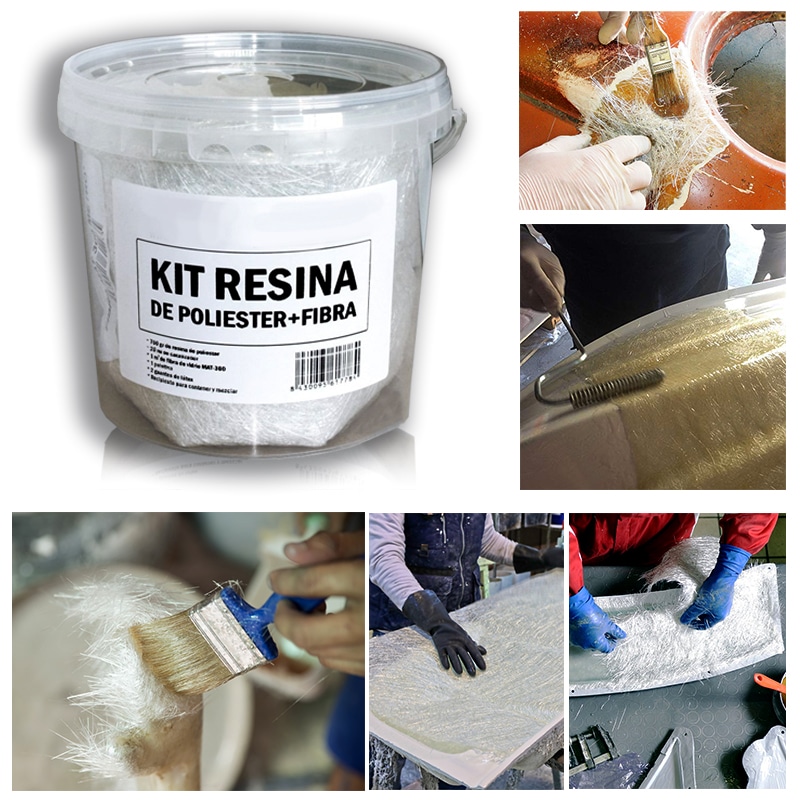
- Resin Fibreglass Repair Kit – Complete Polyester Resin and Hardener Set: Complete polyester resin kit with fibreglass mat for structural lamination.
- Fibreglass fabric or mat (sized for your T-top design)
- Mould or former matching your T-top shape (can be custom-made from plywood or foam, covered with release agent)
- Measuring tools, brush or roller, mixing containers, scissors, protective gear (gloves, mask, goggles)

Visualising Your Boat T-Top Project
Reference real-life builds for design ideas and review photos of T-tops at various stages—from framework, laminating, to final finishing. Seeing the process helps you anticipate challenges and visualise results.

Step 1: Prepare the Mould and Workspace
Begin by planning the dimensions of your T-top and constructing a strong, smooth mould that will give shape to the fibreglass layers. The mould is typically built from plywood or sculpted foam and must be sealed and coated with a release agent to prevent sticking.
Wear protective gloves and mask when handling any resins and fibreglass to avoid skin and respiratory irritation. Clean the entire area meticulously, ensuring all contaminants are removed from the mould’s surface. Accurate preparation greatly influences the quality of your finished T-top.
Apply a commercial or wax-based release agent according to manufacturer instructions for easy demoulding later. It may be necessary to lightly sand or polish the surface between coats for best results.
Step 2: Cut and Arrange Fibreglass Layers
Measure and cut your fibreglass fabric or mat according to the size of your T-top. Lay out the fabric in the workspace so all pieces are easily accessible during lamination. Stagger seams and overlaps to promote maximum strength and avoid weak points.
Measure and cut fibreglass fabric with precision for a seamless fit over the mould. There should be a small overhang, which can be trimmed after curing. Position each layer in preparation for the next step, ensuring the fabric lies flat without wrinkles.
Step 3: Mix and Apply Resin
Mix your chosen resin system following package guidelines. For a high-impact, glossy finish, epoxy, like “Carbon Resin” – Epoxy Resin for Carbon Fiber & Fiberglass Coating, is perfect for technical laminates. Alternatively, for a classic and accessible polyester solution, use the Resin Fibreglass Repair Kit – Complete Polyester Resin and Hardener Set, which contains a well-balanced resin and matching hardener.
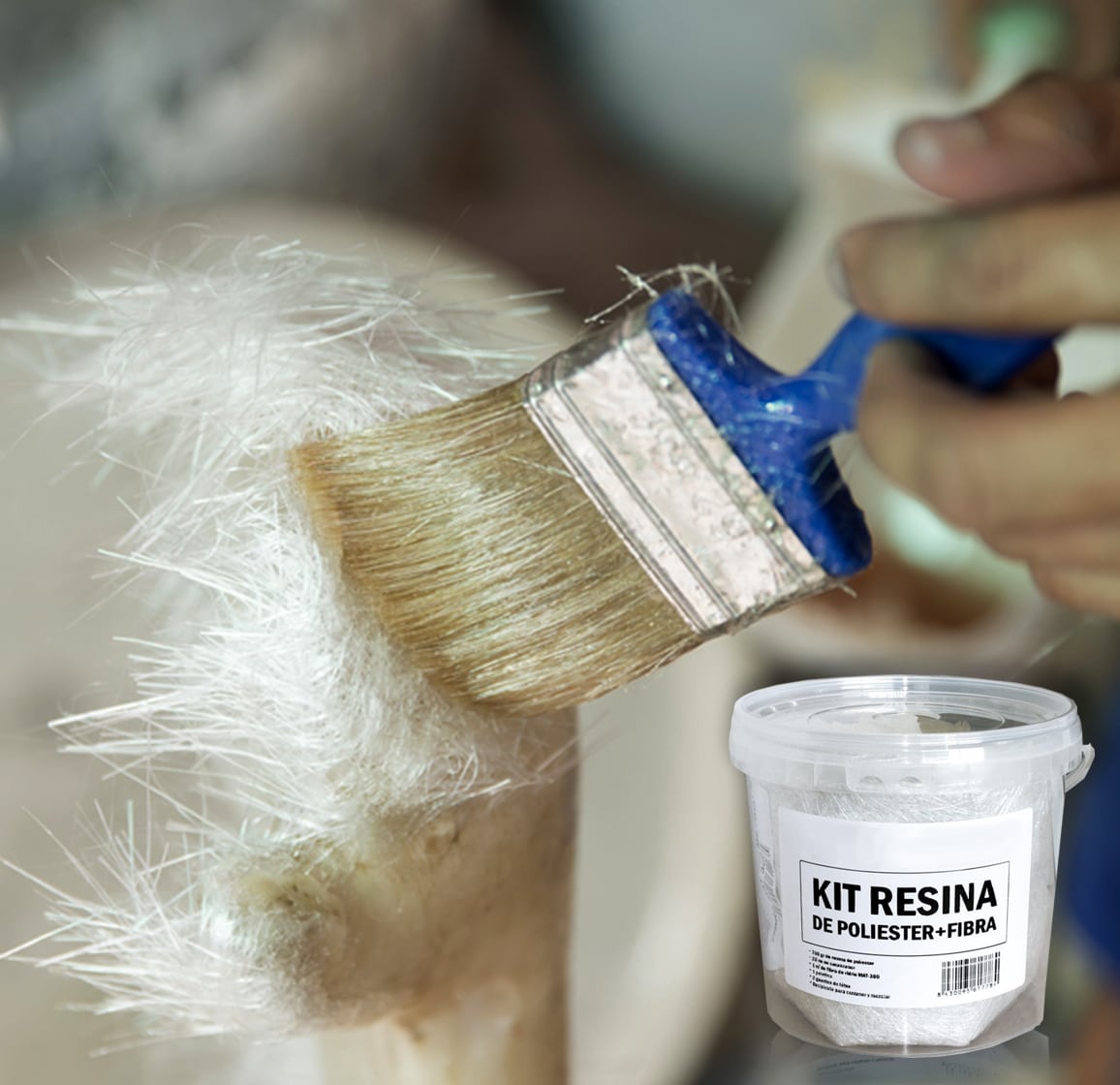
Mix resin and hardener precisely as per instructions, paying close attention to working times. Using a brush or roller, apply a thin layer of mixed resin onto the mould. Lay the first layer of fibreglass onto this and saturate thoroughly with more resin, working out air bubbles as you go.
Repeat the process, layer by layer, until the desired laminate thickness is achieved (typically 3-5 layers for a sturdy T-top). Take care to avoid dry spots and ensure each layer is fully impregnated and securely bonded.
Step 4: Cure, Finish and Install the T-Top
Allow the laminated structure to cure as per resin manufacturer recommendations. Allow full curing before installation—this could be several hours for polyester or overnight for epoxy-based systems. Premature handling can compromise structural integrity and finish.
After curing, carefully release the fibreglass T-top from the mould. Trim any excess with a fine saw or grinder. Sand edges smooth and apply additional resin or paint if a more finished look is desired. Fix the T-top to your boat using marine-rated fasteners, ensuring secure, weatherproof mounting. Test for rigidity and stability before exposing to the elements.
Tips and Common Mistakes to Avoid
Avoid trapped bubbles by taking your time during lamination—work methodically from the centre outward. Use only as much resin as needed to saturate the fabric without flooding. For complex or curved shapes, use small overlapping pieces instead of large sheets. Work in a well-ventilated area and keep all tools clean for best results. If you encounter issues such as delamination or tacky surface, stop and allow the surface to fully cure before attempting repairs.
Smooth Finishing for Professional Results
Spending extra time on fine sanding and edge detailing ensures your T-top looks and performs like a professionally made marine accessory that will last for years.

- "Carbon Resin" – Epoxy Resin for Carbon Fiber & Fiberglass CoatingPrice range: £18.85 through £35.85"Carbon Resin" is an epoxy resin designed for composites and fibreglass, suited for technical fabrics with smooth impregnation and a glossy finish.
- Resin Fibreglass Repair Kit – Complete Polyester Resin and Hardener SetPrice range: £13.85 through £22.85Resin Fibreglass Repair Kit supplies professional polyester resin with fibreglass mat for structured, waterproof repairs matching the fibreglass boat…
Frequently Asked Questions
What resin type is best for a boat T-top?
Epoxy resin offers maximum impact resistance and a glossy finish, while polyester resin is more traditional and easier for first-time users.
Should I use epoxy or polyester resin for this project?
Epoxy provides superior bonding and strength, but polyester resin is common for repairs and comes in cost-effective kits.
How long should I let my fibreglass T-top cure?
Curing times depend on the resin used—typically several hours for polyester systems and 12–24 hours for epoxy.
How can I avoid bubbles during lamination?
Apply resin with care, use a roller, and work slowly to expel air as you lay each layer of fibreglass.
Can I apply fibreglass resin to metals or plastics?
Yes, both polyester and epoxy resins listed bond strongly to most rigid plastics and metals commonly found on boats.
How should I prepare my mould before laminating?
Seal and smooth the mould surface thoroughly, use release agents, and ensure it matches your intended T-top shape.