 Free shipping on orders over £29,85
  Shipping Tracking!


 Google
 Facebook
How to build a table with wood and epoxy resin?
Step-by-step guide to stunning resin and wood tables
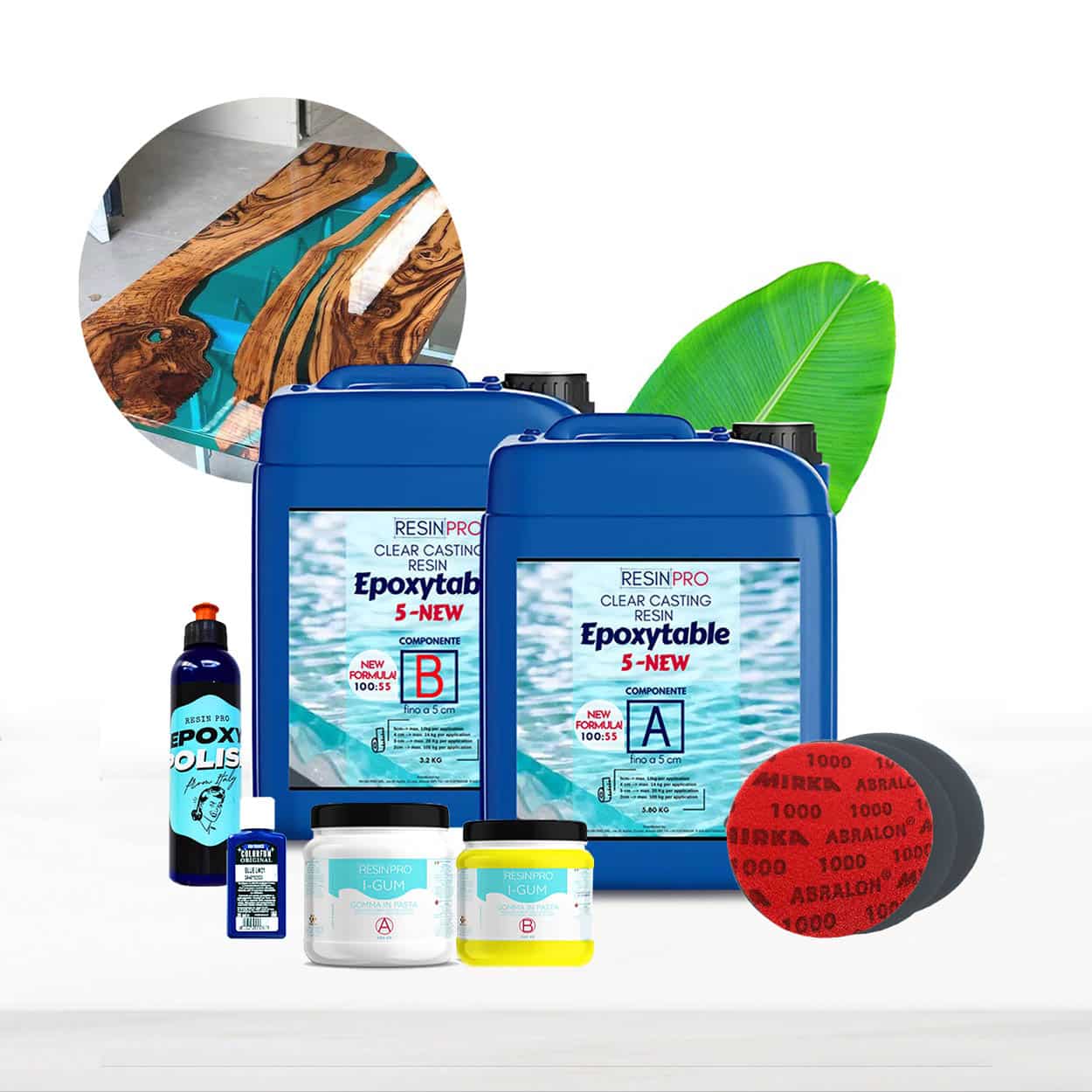
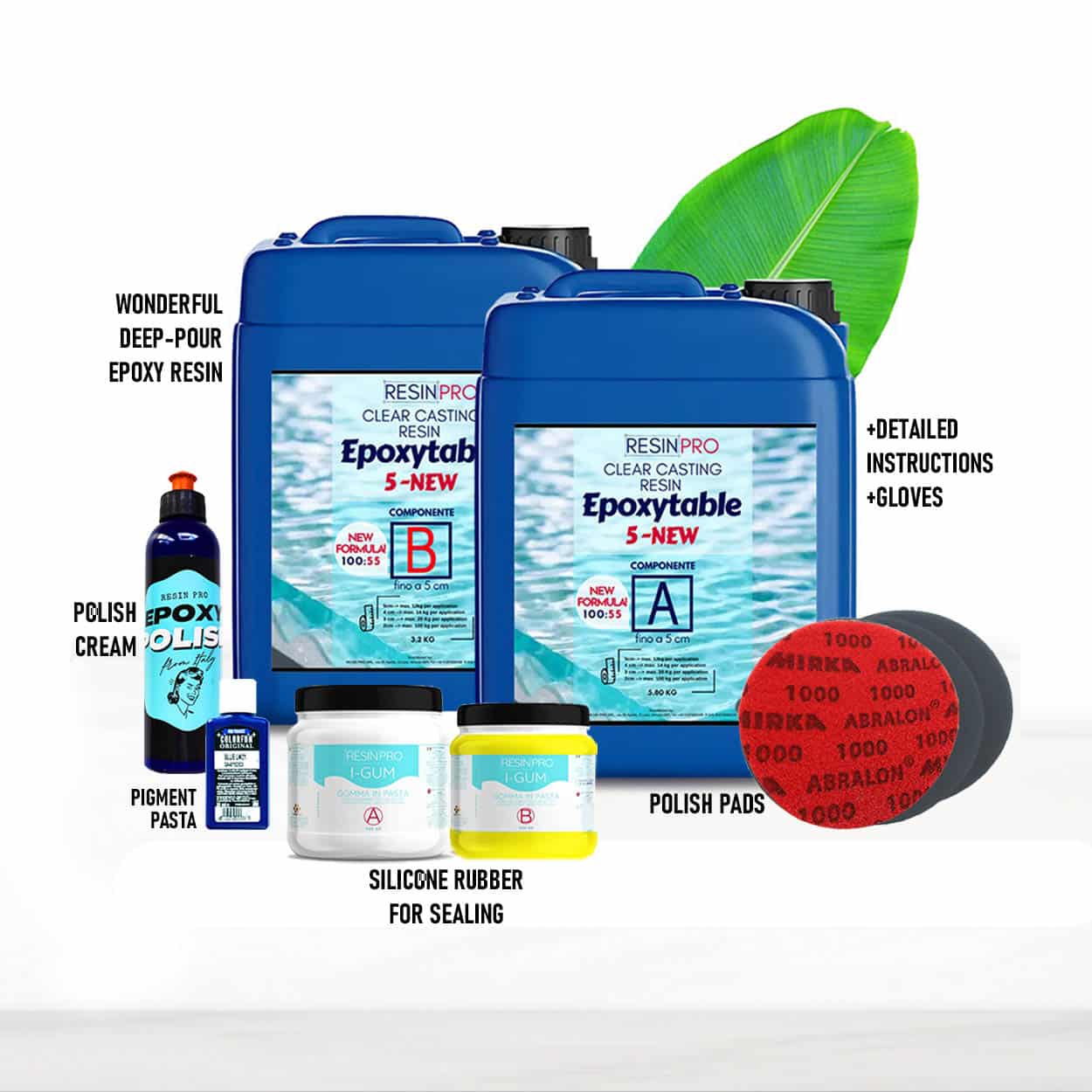
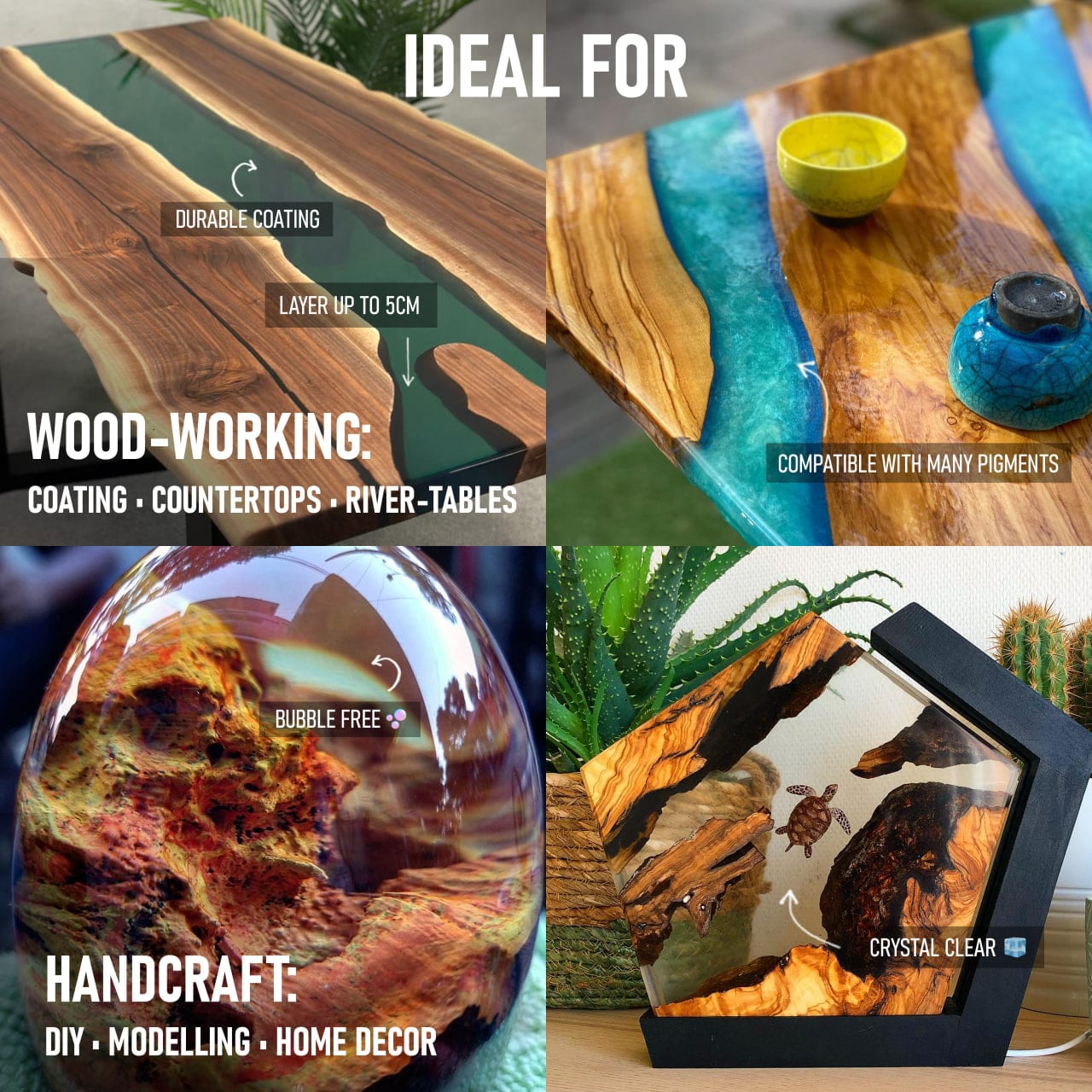
Building a table with wood and epoxy resin is a rewarding DIY project that combines natural beauty with modern creativity. Whether you want a showstopping river table or a minimalist wood-and-resin design, mastering the right steps ensures your new furniture is both durable and visually stunning. This guide covers every essential phase, from planning and preparation through to the final polish.
What You’ll Need
- MDF Board Base for Epoxy Resin Table and Art Projects – Provides a stable, reliable surface for building your table.
- “River-Table” – Complete Kit for Creating Your First Epoxy Resin Table – A convenient pack for beginners, with resin, hardener, pigments, tools, and instructions.
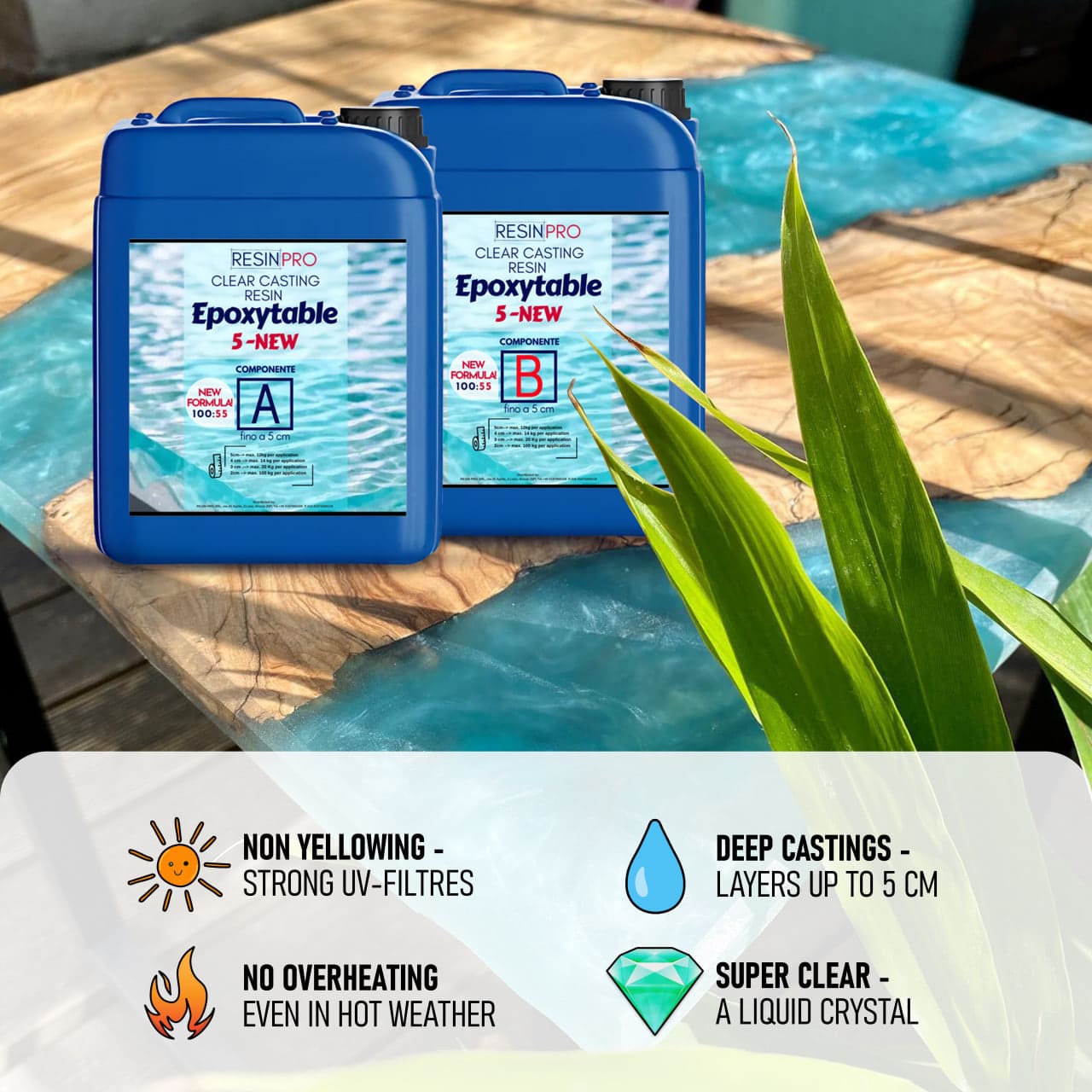
- “EpoxyTable 5-Five” – Deep Pour Epoxy Resin for Tables and Large Projects – Up to 5cm – Ideal for thicker pours and clear, bubble-free finishing.
- “Epoxytable 10-Ten” – Deep Pour Epoxy Resin for Tables, Up to 10cm Casting – For ambitious deep-pour designs with extra depth.
- Protective equipment (gloves, apron, and safety glasses)
- Silicone sealant (for sealing formwork)
- Sander/polishing kit (as included with some resin kits)
- Mixing containers and stirrers

See the Resin Pour in Action
Watch as wood and resin combine to create unique patterns and stunning clarity in every pour. From the careful preparation of the wood to the mesmerising moment the epoxy flows into place, every step shapes your finished masterpiece. Browse our gallery or project videos for inspiration on your own design.
Plan your design and select your wood
Start by deciding the style of table you want: do you prefer a bold river table effect or a subtler inlay? Choose hardwoods such as oak, walnut, or ash for the best results—these offer appealing grain patterns and strong structure. Consider the desired overall size, the natural live edge of the wood, and the thickness your resin sections will need (this will inform which epoxy product is suitable).
Carefully inspect the wood for cracks, insect holes, or excessive moisture. The wood should be as dry as possible to avoid warping or unwanted air bubbles later on. Plan your cuts and placement, making sure your planks fit your base and leave space for any resin features.
Prepare and seal the wood
Thoroughly sand the wooden surfaces to remove loose fibres and debris, using progressively finer grit. Cleaning dust from the wood is essential as particles can affect resin clarity. It’s also recommended to seal all exposed wood faces with a thin layer of mixed epoxy, which will block air from escaping into the main pour and causing bubbles. Allow this seal coat to cure fully before proceeding.
Gaps, cracks, and knots should be filled with a small amount of resin mixed with pigment, if desired, to improve the table’s finished appearance. Wrap the underside of the wood with masking tape or use a plastic barrier if you want to prevent accidental drips from sticking.
Assemble your formwork and base
Build a watertight frame to contain your epoxy pour. The MDF Board Base for Epoxy Resin Table and Art Projects is ideal for this, offering a flat, stable foundation. Use silicone sealant on all internal seams to prevent leaks, and line the inside with a non-stick material such as release tape or a plastic sheet. Double-check corners and joins for potential leak points.
Position your prepared wood within the form, securing it so it doesn’t float or shift during pouring. Make sure the base is perfectly level using a spirit level, as this is essential for an even resin surface.

Mix and pour your epoxy resin
Calculate the volume of resin needed for your project, considering pour thickness and any gaps to be filled. For depths up to 5cm, opt for “EpoxyTable 5-Five” – Deep Pour Epoxy Resin. For river tables or artistic applications reaching up to 10cm depth, “Epoxytable 10-Ten” – Deep Pour Epoxy Resin is recommended. Combine resin and hardener exactly to manufacturer’s instructions, mixing slowly to minimise the introduction of bubbles.
If you’re a beginner or want an all-in-one option, the “River-Table” – Complete Kit for Creating Your First Epoxy Resin Table supplies pre-selected tools and clear instructions, plus optional colour pigments for creative finishes. Pour resin in layers if your required thickness is greater than recommended single-pour depth.
Use a heat gun or torch to remove surface bubbles shortly after pouring. Leave the resin to cure undisturbed, away from dust and direct sunlight. Observe recommended curing times before demoulding.

Finishing and polishing your table
Once cured, carefully remove the formwork and check edges for sharp or uneven sections. Sand the surface progressively—from coarse to super-fine grit—until the surface is flat and smooth. For a glass-like polish, use a dedicated polishing kit or fine polishing creams (some kits include a complete set for this purpose).
Wipe down thoroughly, then apply protective finishes as desired (such as resin polish, hard wax, or oil for the wood elements). Your completed table is now ready for display and daily use.
Tips and Common Mistakes to Avoid
- Ensure your workspace is dust-free and at the recommended temperature for resin curing.
- Measure resin and hardener precisely; inaccurate ratios will negatively affect curing and durability.
- Don’t rush pouring; deep pours beyond product limits can lead to overheating, cracking, or yellowing.
- Always seal wood with a thin epoxy coat to prevent bubbles in the main pour.
- Let each layer cure before adding the next if pouring in stages.
- Use protective equipment to avoid skin contact and follow all safety recommendations.
Finishing Touches for Professional Results
A flawless result is all about the details: take your time to sand, polish, and seal the finished surface. Some resin kits provide professional-grade polishing creams and pads for a mirror-like shine. Compare results and find your own finishing style in our customer gallery.
- "River-Table" – Complete Kit for Creating Your First Epoxy Resin TablePrice range: £188.85 through £444.85"River-Table" kit offers materials and instructions for creating a wood and epoxy resin table, suitable for beginners following a practical approach.
- "EpoxyTable 5-Five" – Deep Pour Epoxy Resin for Tables and Large Projects – Up to 5cmPrice range: £16.85 through £1,099.85"EpoxyTable 5-Five" is a deep pour epoxy resin suitable for tables and large projects, designed to work up to 5cm thickness.
 “Epoxytable 10-Ten” – Deep Pour Epoxy Resin for Tables, Up to 10cm CastingPrice range: £33.85 through £334.85“Epoxytable 10-Ten” is a clear epoxy resin designed for deep pours up to 10cm, suitable for crafting tables using wood and resin.
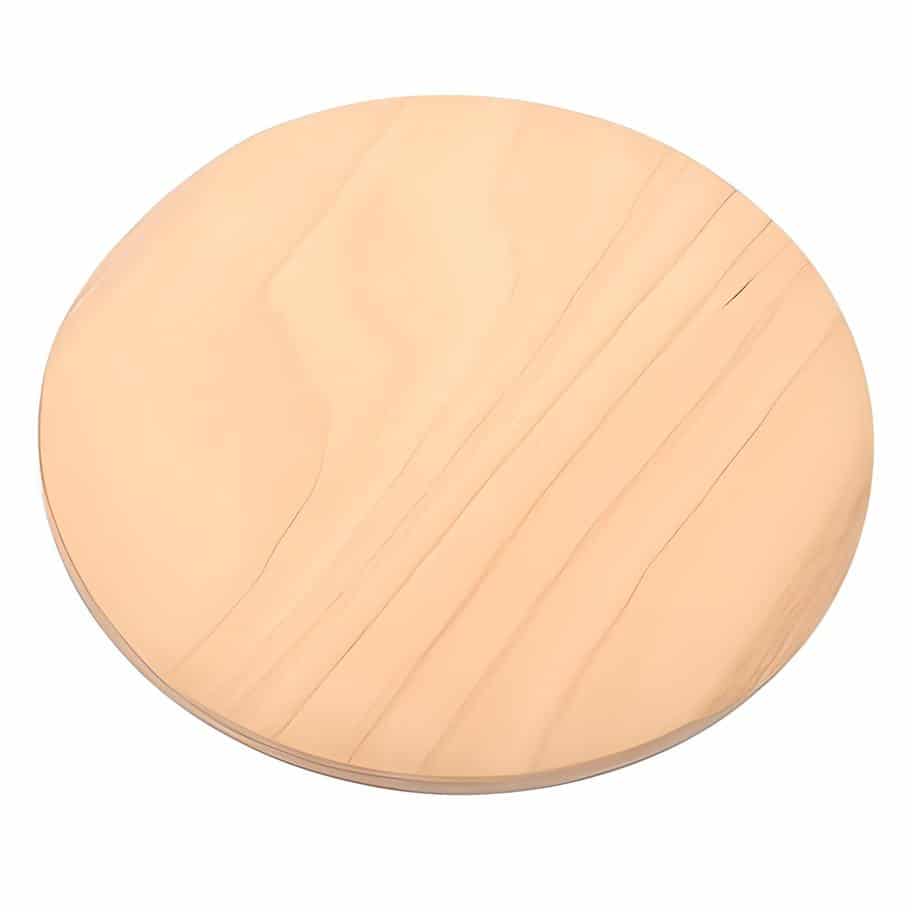 MDF Board Base for Epoxy Resin Table and Art ProjectsOriginal price was: £25.00.£17.85Current price is: £17.85.A sturdy MDF board designed for epoxy resin tables and art, suitable for artists and beginners following the wood and epoxy resin theme.
Frequently Asked Questions
Is making a wood and resin table suitable for beginners?
Yes, with the right kit and step-by-step instructions, beginners can achieve excellent results. Start with a manageable project size and follow guidance carefully.
How do I avoid air bubbles in my resin pour?
Seal the wood with a thin layer of epoxy before the main pour and remove surface bubbles with a heat gun or torch immediately after pouring.
Which epoxy resin is best for deep pours?
For pours up to 5cm, use 'EpoxyTable 5-Five'; for greater depths up to 10cm, use “Epoxytable 10-Ten”.
How long does it take for an epoxy table to cure?
Full cure typically takes between 24 and 72 hours, depending on resin type, temperature, and layer thickness.
Can I colour the resin for my table project?
Yes, suitable pigments or dyes can be mixed with the resin before pouring, allowing full creative control of your design.
What kind of base is best for an epoxy resin table?
MDF boards are sturdy and stable, making them commonly used for resin table builds and other art projects.
Can I sand and polish an epoxy table surface?
Absolutely. Progressive sanding followed by polishing with suitable creams or pads will result in a smooth, glossy finish.