 Free shipping on orders over £29,85
  Shipping Tracking!


 Google
 Facebook
How to build with epoxy resin?
Building with epoxy resin opens up a world of creative possibilities, whether you’re crafting a striking river table, decorative furniture, or intricate resin artistry. This guide leads you through all essential steps to ensure your epoxy resin builds are durable, beautiful, and professionally finished—ideal for beginners and experienced makers alike.
Step-by-step epoxy guidance for tables and more

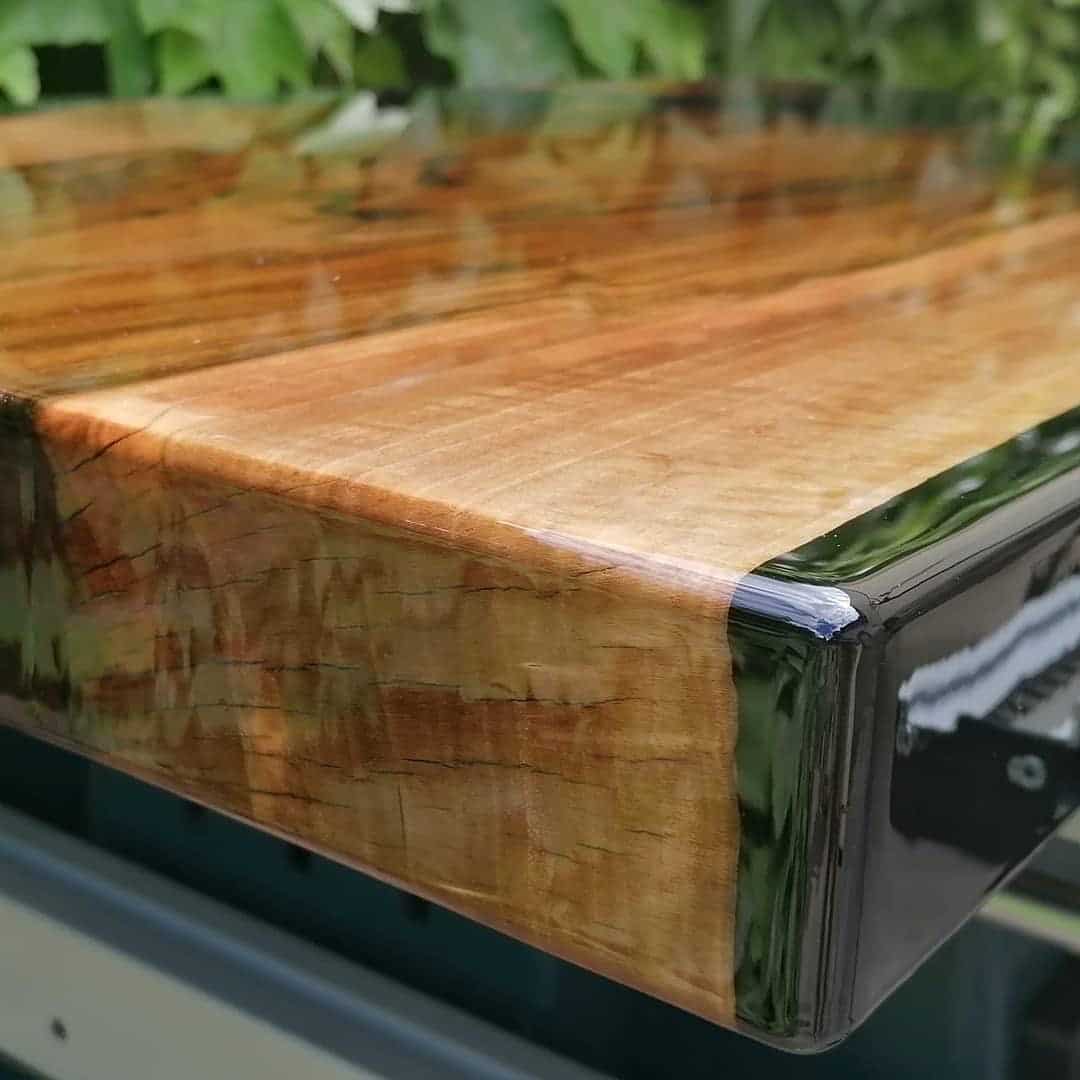
What You’ll Need
- “Trasparente” – Multipurpose Clear Epoxy Resin for Casting – Up to 2cm: Suitable for detailed castings and small thickness layers, offering a crystal-clear finish.
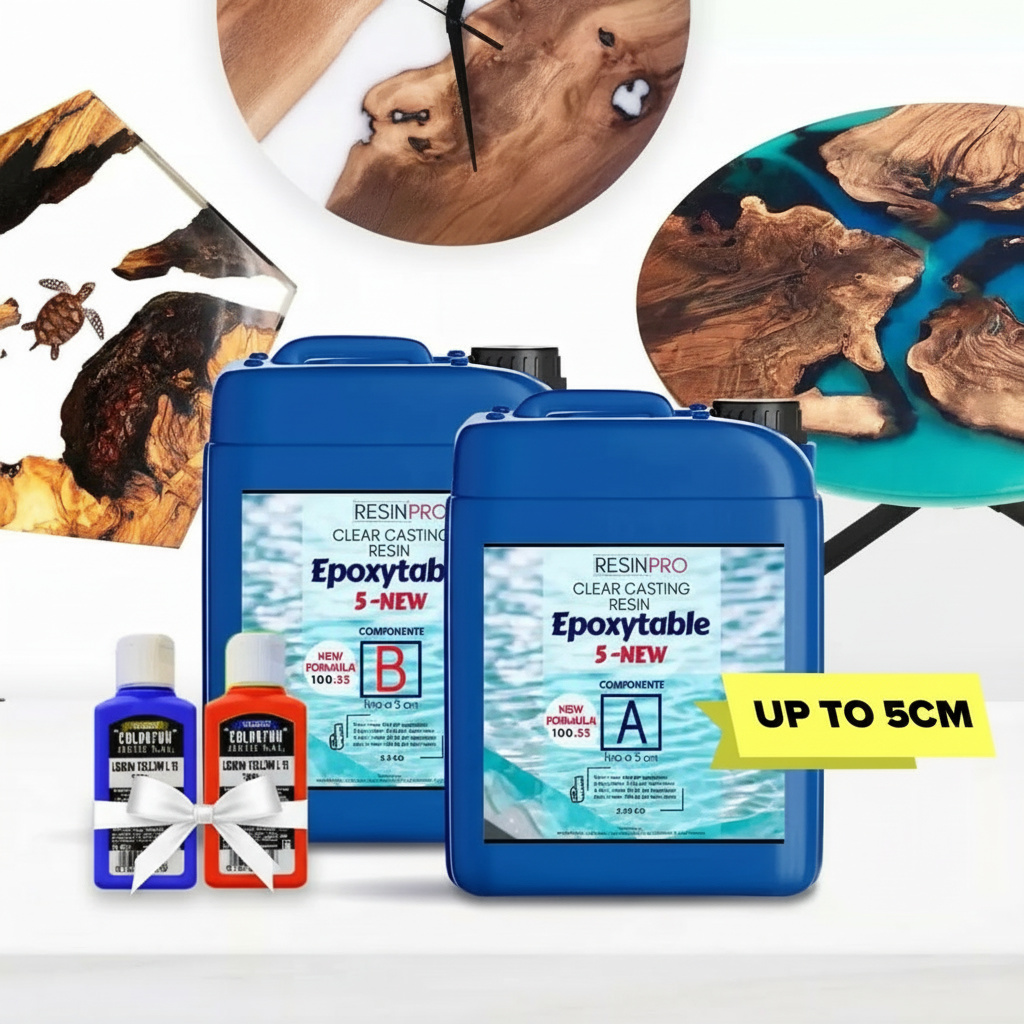
- “EpoxyTable 5-Five” – Deep Pour Epoxy Resin for Tables and Large Projects – Up to 5cm: Ideal for larger castings and furniture with thicknesses up to 5cm.
- “Epoxytable 10-Ten” – Deep Pour Epoxy Resin for Tables, Up to 10cm Casting: For extremely deep pours, such as large river tables and artistic installations.
- “River-Table” – Complete Kit for Creating Your First Epoxy Resin Table: Contains all fundamental materials and instructions, perfect for beginners.
- Mixing sticks, protective gloves, dust mask, and measuring containers (often included in kits).
- Appropriate pigment, silicone sealant (as needed), sanding pads or polishing kit for finishing.

Visualising Your Epoxy Resin Build
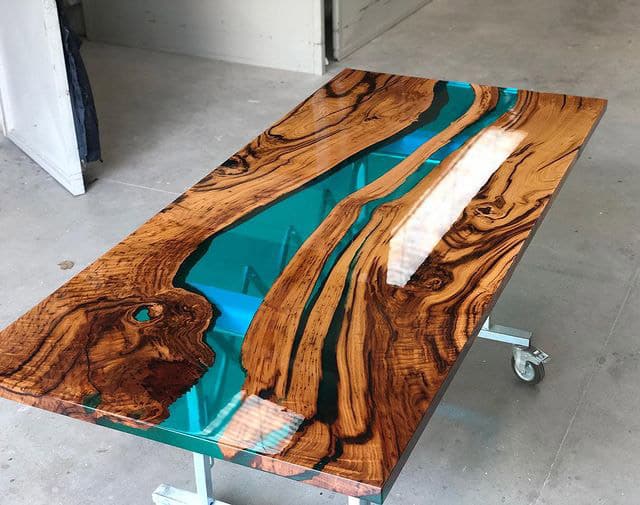
Envision your project: From river tables to intricate artwork, epoxy resin builds can be as functional or decorative as you wish. Taking the time to visualise your final result, review inspirational images, and understand your material options will lead to a smoother crafting experience and better outcomes.
Measure and Plan Your Project
Begin by determining what you want to build: a resin table, artwork, or a custom piece. Accurately measure your base or formwork and calculate the volume of epoxy you’ll need. Factor in the desired thickness of your pour—whether that’s a shallow 2cm layer for decorative pieces or a deep pour up to 10cm for river tables. Planning ahead ensures you order the right quantity and type of resin and avoids costly mistakes.
Prepare the Substrate and Workspace
Thoroughly clean and level your workspace to prevent dust and particles from marring the resin surface. Prepare your wood or base material by ensuring it is dry, sanded, and free from oils or debris. Seal porous surfaces with a suitable primer if needed. If creating a river table or similar, set up your mould or formwork and ensure reliable sealing at all contact points to prevent leaks—using silicone sealant can make demoulding easier and prevent seepage.
Arrange all required tools, PPE (personal protective equipment), and materials before mixing any resin, as timing is critical once the epoxy components are combined.
Mix and Pour the Epoxy Resin
Carefully follow the manufacturer’s instructions for mixing your chosen epoxy resin. For shallow art layers and smaller casts, a product like “Trasparente” – Multipurpose Clear Epoxy Resin for Casting – Up to 2cm ensures a bubble-free and self-levelling finish.
When working with larger pieces such as tables, select a deep pour resin suitable for your desired thickness. For projects up to 5cm, “EpoxyTable 5-Five” – Deep Pour Epoxy Resin for Tables and Large Projects – Up to 5cm offers excellent clarity. Use “Epoxytable 10-Ten” for even greater depths. Mix in pigments slowly to minimise bubbles, and pour consistently to avoid entrapment of air.
Layer and Cure for Depth
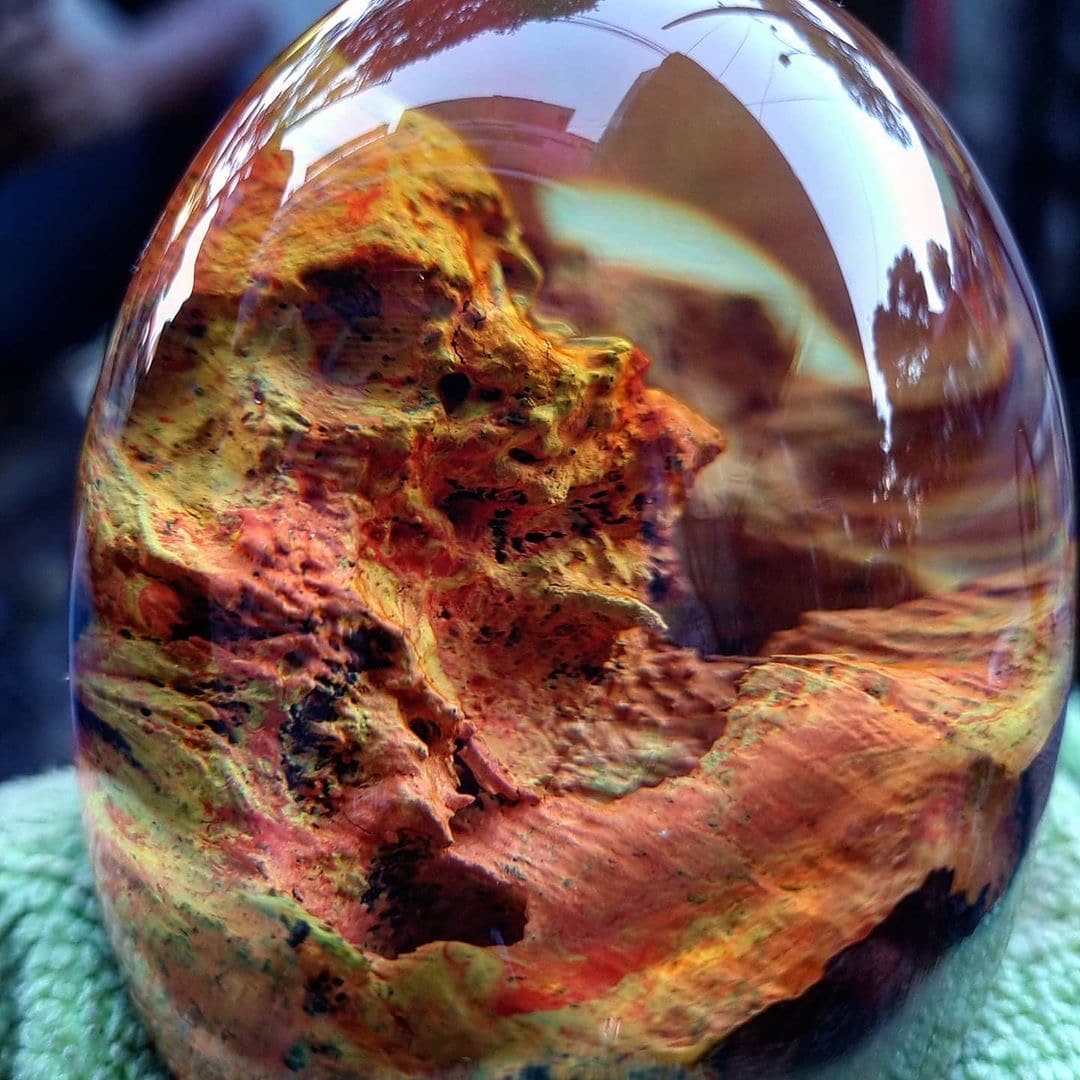
If your project exceeds the safe pouring thickness per layer as recommended for your resin, pour in multiple stages. Wait the appropriate curing time as indicated in the product instructions—often 6 to 8 hours between layers. This technique prevents overheating and warping. Allow each layer to self-level and undergo partial curing before adding the next to ensure strong adhesion and a seamless look.
Monitor ambient temperature and humidity to foster optimal curing. Avoid disturbing your project during this period, and protect it from dust with a cover.
Finishing and Polishing Touches
Once the final resin layer has cured fully, move on to sanding and polishing for a flawless finish. Progress through multiple grits with gentle pressure, moving from coarse to fine pads. Use a dedicated polishing kit or cream formulated for epoxy resin for a glossy, scratch-resistant surface. The “River-Table” – Complete Kit for Creating Your First Epoxy Resin Table includes pads and polish, streamlining the final stage.
Clean your workspace and admire your new hand-crafted piece, ensuring it is given a full final cure (as per instructions) before heavy use.
Tips, Troubleshooting, and Common Mistakes
Always check the recommended pour depth for your resin to avoid exothermic reactions. Work in a well-ventilated space and wear gloves to protect your skin. Avoid mixing too vigorously, which can create bubbles and cloudiness. In case of surface imperfections after curing, gentle sanding and an additional thin top coat can restore clarity. If working for the first time, consider a beginner kit to ensure all essential materials and advice are at hand.
Showcase: Real Epoxy Resin Projects
See what’s possible: Explore a gallery of completed river tables, resin and wood combinations, and detailed castings to gain ideas and confidence for your own epoxy resin build. Let creative finished pieces inspire your next project.

- “Epoxytable 10-Ten” – Deep Pour Epoxy Resin for Tables, Up to 10cm CastingPrice range: £33.85 through £334.85“Epoxytable 10-Ten” is an epoxy resin suitable for deep pouring up to 10cm, designed for projects like tables with clear, bubble-free castings.
- "EpoxyTable 5-Five" – Deep Pour Epoxy Resin for Tables and Large Projects – Up to 5cmPrice range: £16.85 through £1,099.85"EpoxyTable 5-Five" is designed for deep pour applications up to 5cm thick such as tables and large projects in the context of building with epoxy…
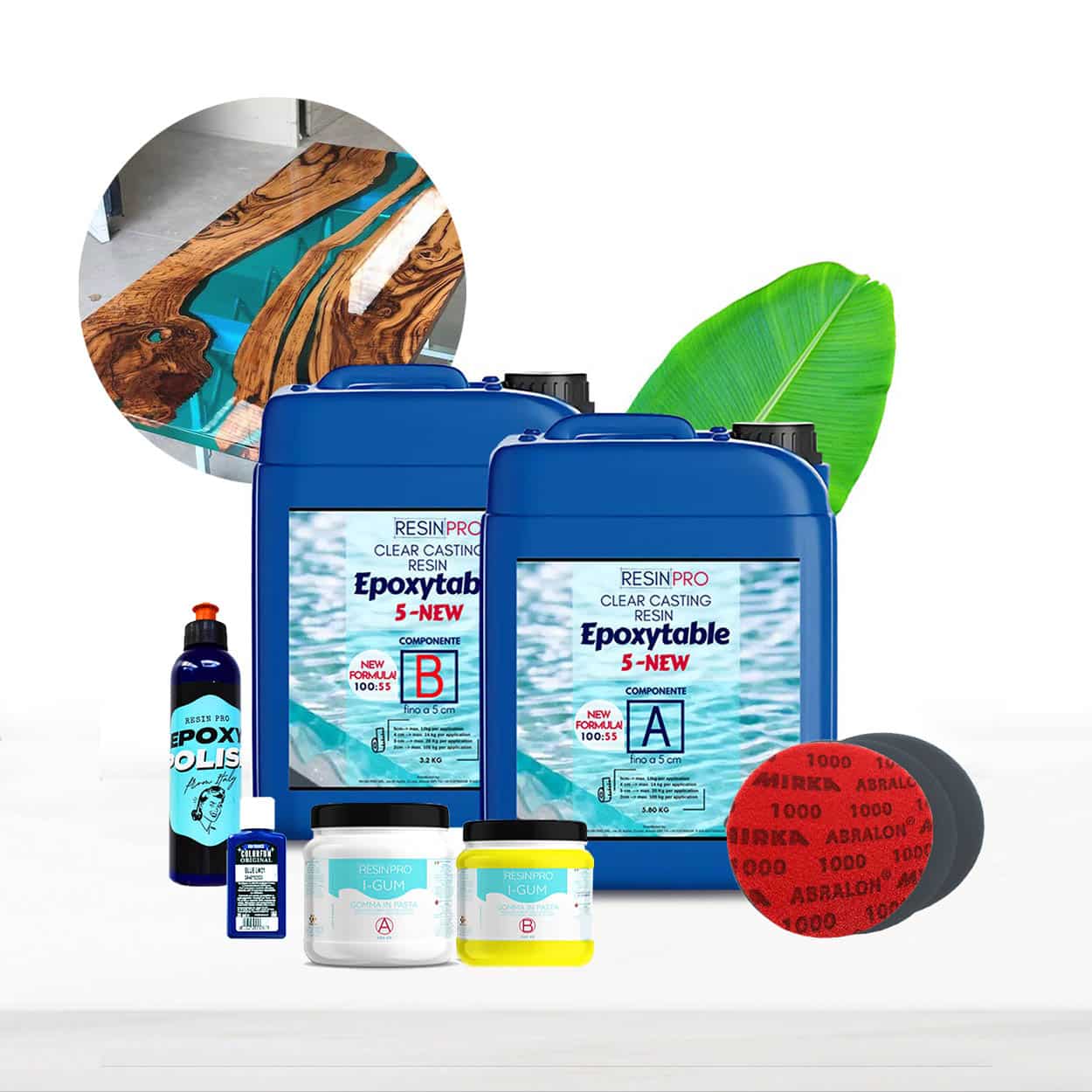 "River-Table" – Complete Kit for Creating Your First Epoxy Resin TablePrice range: £188.85 through £444.85"River-Table" kit includes resin, sealant, pigments and polishing supplies with instructions for creating a wood and epoxy resin table.
 "Trasparente" – Multipurpose Clear Epoxy Resin for Casting – Up to 2cmPrice range: £8.45 through £948.85"Trasparente" Clear Epoxy Resin provides a glossy, self-levelling finish up to 2 cm layers for detailed casting and woodworking projects.
Frequently Asked Questions
What’s the best epoxy resin for deep casting tables?
For projects requiring deep pours up to 10cm, “Epoxytable 10-Ten” is recommended for its clarity and controlled curing.
How thick can you pour epoxy resin at once?
Pouring thickness depends on the resin – up to 2cm with Trasparente, 5cm with EpoxyTable 5-Five, and 10cm with Epoxytable 10-Ten.
Is it suitable for beginners to build epoxy resin tables?
Yes, complete kits with instructions make it accessible for beginners to create their own epoxy resin tables.
How can I avoid bubbles in my epoxy pour?
Mix the resin slowly, pour steadily, and use a heat gun or torch on the surface to pop bubbles promptly.
How long does epoxy resin typically take to cure?
Initial curing takes 24–48 hours, but full mechanical strength may require 7 days depending on resin type and conditions.
Is epoxy resin heat resistant enough for furniture?
Many epoxies are heat resistant up to 70°C, suitable for tabletops but avoid direct contact with hot pans.