 Free shipping on orders over £29,85
  Shipping Tracking!


 Google
 Facebook
how to make a wooden table with epoxy resin
Create striking wood and resin tables with this step-by-step guide.
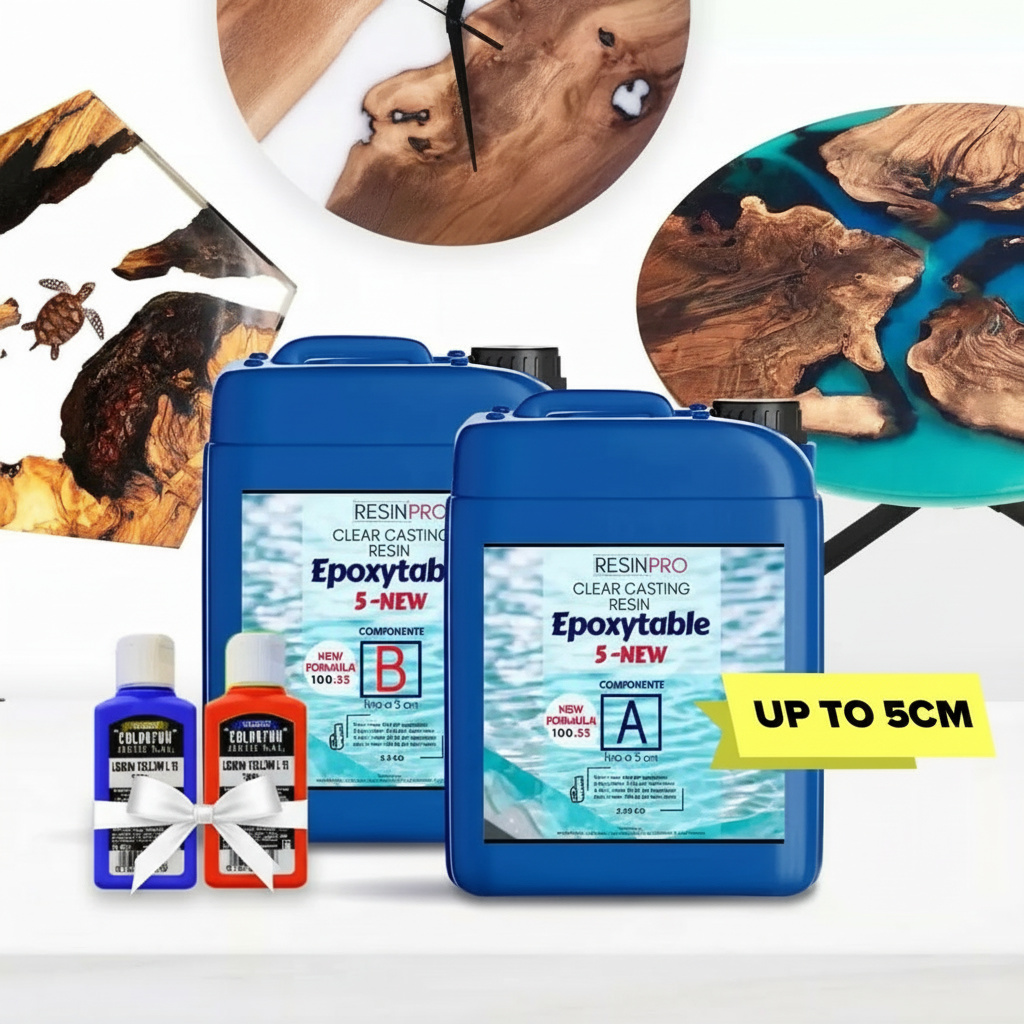

Making a wooden table with epoxy resin combines natural beauty and modern durability, resulting in a unique centrepiece for any room. This guide takes you step-by-step through planning, preparation, pouring, and finishing, so you can achieve a professional-looking table—whether you’re a seasoned DIY enthusiast or a complete beginner.
What You’ll Need
- “EpoxyTable 5-Five” – Deep Pour Epoxy Resin for Tables and Large Projects – Up to 5cm: A deep pour epoxy resin suitable for wooden tables and large projects up to 5cm thickness.
- “Epoxytable 10-Ten” – Deep Pour Epoxy Resin for Tables, Up to 10cm Casting: For extra-deep pours with large wood and resin combinations.
- “River-Table” – Complete Kit for Creating Your First Epoxy Resin Table: A complete kit designed for beginners, which includes resin, sealant, pigments, and full instructions.
- “Stone Effect Collection” – Marble Epoxy Resin Countertop Kit: Perfect if you wish to add a marble or stone aesthetic to your epoxy surface.
- Wood pieces (live-edge, planks, or reclaimed wood as desired)
- Mould or formwork material (melamine-coated board, silicone sealant)
- Mixing buckets, stir sticks, protective gloves, and dust mask
- A heat gun or torch (to release bubbles after pouring)
- Sandpaper and finishing products (oil, varnish, or polishing cream)

Gallery: Epoxy Table Inspirations
Explore beautiful examples of river tables, resin and wood combinations, and bespoke statement pieces—ideal for sparking creative ideas for your project. Browse our gallery to see the range of finishes and effects possible.

Step 1: Prepare Your Wood and Build Your Mould
Begin by selecting quality kiln-dried wood to minimise the risk of warping. Cut and sand your timber to the desired size, ensuring each piece is dry and free from dust. Clean the surfaces thoroughly to remove oils or contaminants.
If your project features a ‘river’ of resin between two slabs, finalise their positioning and measure dimensions for the formwork. Create a watertight mould using melamine-coated boards or other non-stick material, sealing all joints with silicone to prevent leaks. Allow the sealant to cure completely before proceeding.
Double-check the mould’s stability and fit, as leaks or gaps can result in a ruined casting. Apply a release agent or use an adhesive release film, especially when utilising a kit like the “River-Table” – Complete Kit for Creating Your First Epoxy Resin Table, which provides practical sealing materials.
Step 2: Seal and Pre-coat the Wood
To avoid air bubble release during the main pour, seal the wood surfaces with a thin coat of mixed epoxy resin. Mix a small batch and brush it over all exposed surfaces. This step locks in trapped air and minimises bubbles later.
Allow this layer to cure until tacky. Take extra time here, as thorough pre-sealing helps create a remarkably clear and professional finish.
Step 3: Mix and Pour the Epoxy Resin
Carefully read the resin manufacturer’s instructions regarding ratios, mixing times, and maximum layer thickness. For most deep pour tables, “EpoxyTable 5-Five” – Deep Pour Epoxy Resin for Tables and Large Projects – Up to 5cm is ideal for thicknesses up to 5cm, while deeper fills benefit from “Epoxytable 10-Ten” – Deep Pour Epoxy Resin for Tables, Up to 10cm Casting. Measure resin and hardener accurately; mix slowly with a paddle or spatula, scraping sides and base to ensure full blending without introducing excess bubbles.
Once mixed, pour steadily into your mould. Pour from one end and allow the resin to flow naturally into gaps to minimise air entrapment. If creating coloured or marble effects, add compatible pigments or dyes as desired. Remove bubbles from the surface using a heat gun or torch, taking care not to scorch the resin.
For very thick tables, work in stages if required, allowing previous layers to partially cure before pouring the next. Always stay within the manufacturer’s recommended thickness per pour to avoid overheating.

Step 4: Cure, Demould, and Flatten
Allow the poured table to cure on a level surface away from dust and moisture, following recommended curing time—typically several days for deep pours. Cover the mould to prevent airborne particles from settling on the resin.
Once fully cured, carefully demould the table. Remove the formwork, and trim any resin overflow. Use a sander or planer to achieve a perfectly flat surface; start with coarse grits, transitioning to finer abrasives for a smooth result.

Step 5: Sand, Finish, and Polish
Wet sand the resin gradually up to a very fine grit (such as 2000–4000), rinsing often. For a high-gloss finish, polish with a suitable compound and buffing pads. If a stone or marble finish is desired, use a kit like the “Stone Effect Collection” – Marble Epoxy Resin Countertop Kit for striking design effects.
Complete your project by finishing the wood—oil, varnish, or wax as preferred. Attach legs or a base, and move your new resin table into place. Let all surface finishes fully cure before use.
Tips, Common Mistakes and Troubleshooting
- Work patiently at each stage to prevent bubbles and surface imperfections—rushed processes often lead to avoidable flaws.
- Always follow safety practices: wear gloves, work in a ventilated space, and use respiratory protection when sanding cured resin or wood.
- Seal wood completely prior to pouring to minimise bubbles and cloudy patches.
- Before the main pour, do a small test batch to preview curing behaviour and material compatibility.
- If you encounter uneven surfaces after curing, re-sand and apply a thin clear coat of epoxy for correction.
- Plan your pour timing carefully, especially with multi-layer projects—let each layer reach gel phase before adding more.
Video: The Epoxy Resin Table Process Explained
See the entire table-making process from start to finish in this in-depth video overview. Watch key techniques for working with wood and resin, safety tips, and expert tricks to achieve flawless results.
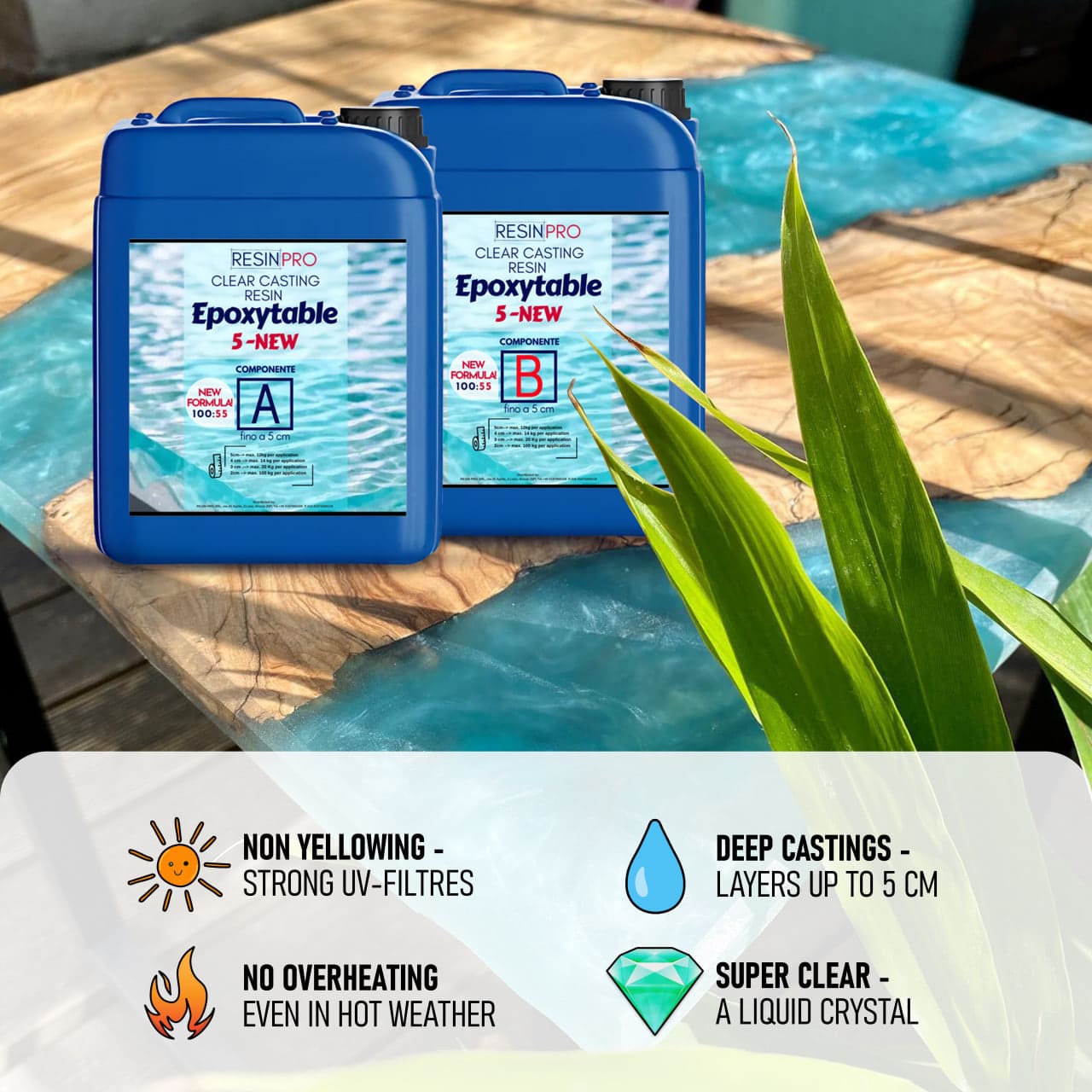
- "EpoxyTable 5-Five" – Deep Pour Epoxy Resin for Tables and Large Projects – Up to 5cmPrice range: £16.85 through £1,099.85EpoxyTable 5-Five is designed for deep pour projects up to 5cm, ideal for making wooden tables following the how to make a wooden table with epoxy…
- “Epoxytable 10-Ten” – Deep Pour Epoxy Resin for Tables, Up to 10cm CastingPrice range: £33.85 through £334.85Epoxy resin suitable for making wooden tables with deep pour casting up to 10 cm, featuring non-yellowing and bubble-free finish.
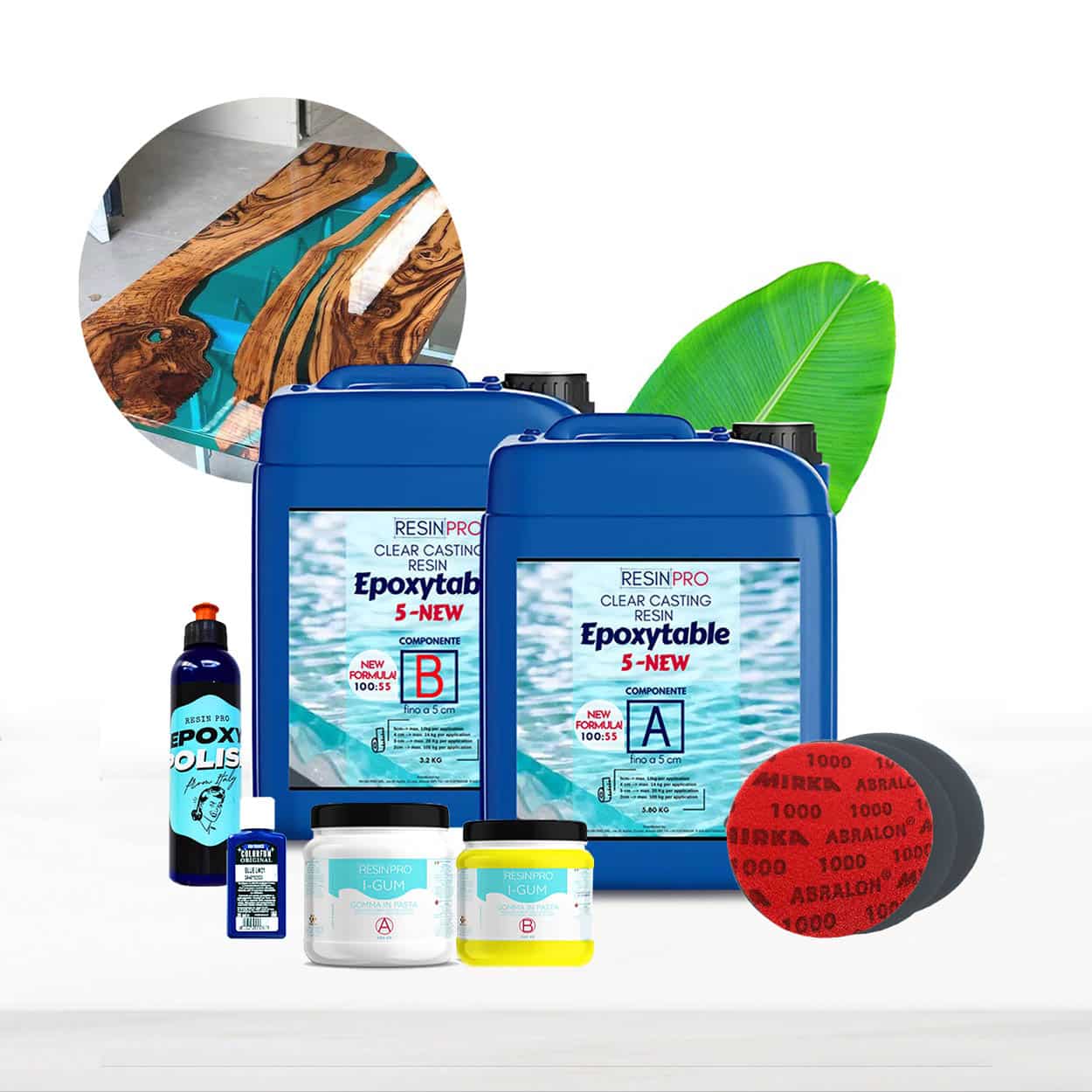 "River-Table" – Complete Kit for Creating Your First Epoxy Resin TablePrice range: £188.85 through £444.85This kit provides materials and instructions for making a wood and epoxy resin table, suited for beginners following the wooden table theme.
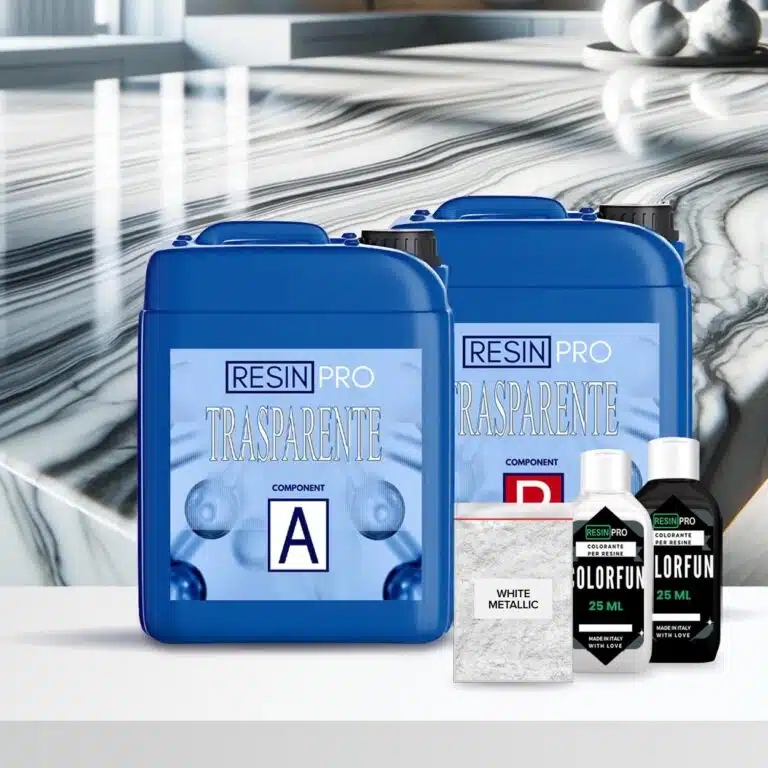 "Stone Effect Collection" – Marble Epoxy Resin Countertop KitPrice range: £54.85 through £394.85The Stone Effect Collection offers all-in-one epoxy resin kits designed for durable, marble-effect countertops in kitchens and bathrooms.
Frequently Asked Questions
What resin thickness is best for epoxy wood tables?
For most river and deep pour tables, 5–10cm castings are common. Use a suitable resin for your project's specific depth.
How do I minimise bubbles in epoxy pours?
Seal wood first and use a heat gun to release trapped bubbles after pouring. Mix resin gently to reduce air entrapment.
Should I use 5-Five or 10-Ten resin?
Use 'EpoxyTable 5-Five' for pours up to 5cm. For thicker layers, 'Epoxytable 10-Ten' is recommended for up to 10cm.
How long does resin take to cure?
Full cure usually takes several days depending on thickness and ambient temperature. Follow product instructions for best results.
How do I achieve a glossy finish on my table?
Wet sand up to fine grits before polishing. Use a dedicated polishing kit or compound for a professional sheen.
Is epoxy resin safe for dining tables?
Once fully cured, most tabletop resins are inert and suitable for general use. For direct food contact, check for specific certifications.
How can I fix surface imperfections?
Sand away defects and recoat with epoxy if needed. A thin, final coat evens out minor flaws and enhances clarity.