 Free shipping on orders over £29,85
  Shipping Tracking!


 Google
 Facebook
← Back to How to make transparent resin?
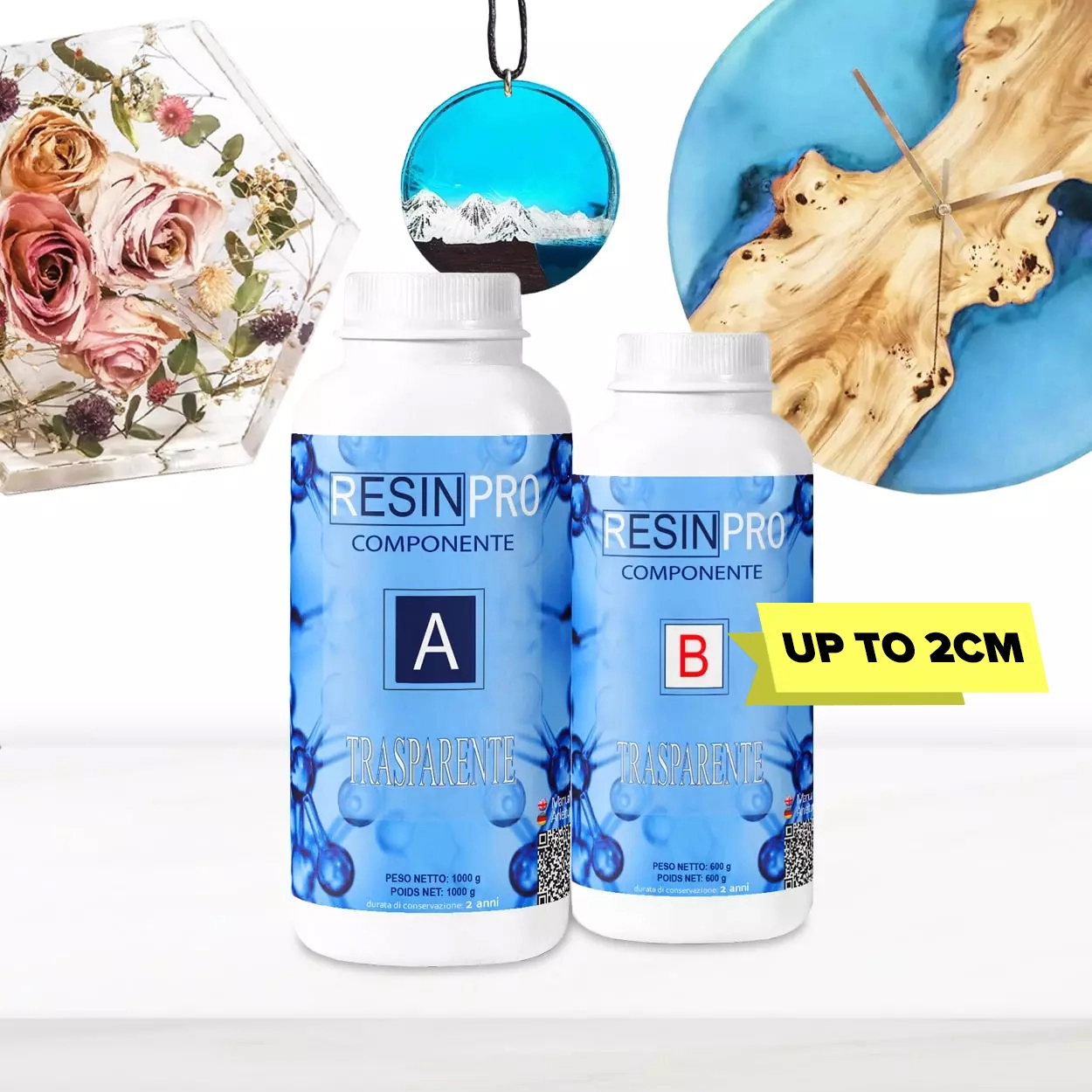
Achieving a perfectly transparent finish in your resin projects depends greatly on curing the resin at the correct temperature and for the appropriate length of time. Here’s why this stage is crucial—and how to get it right.
Why Temperature and Timing Matter
The curing process is what transforms liquid resin into a solid, glossy piece. Curing at the recommended temperature ensures the chemical reactions occur evenly, resulting in a clear and strong finished product. If the temperature is too low, the resin may cure too slowly, leading to cloudiness or an incomplete set. Too high, and you risk rapid curing which can trap bubbles or even cause the pour to overheat, potentially leading to yellowing or warping.
Practical Guidance for Best Results
Always consult your resin’s datasheet for recommended curing conditions—most transparent epoxies require a stable, room temperature environment (typically around 20–25°C) and undisturbed curing for at least 24 hours. For example, “Trasparente” Multipurpose Epoxy Resin sets beautifully clear when cured within its suggested range and allowed plenty of time to harden fully before moving or demoulding.
- Keep your work area at a steady, recommended temperature.
- Avoid using heat guns or hot water baths excessively, as these can accelerate curing unevenly.
- Let resin cure undisturbed for the specified time, even if it looks set on the surface.
When This Matters Most
Proper curing is especially important when producing resin jewellery, tabletops, deep castings, or any project where clarity and strength are vital. Rushing the process—or ignoring temperature guidance—can result in imperfections, affecting transparency and durability.
Related products
Related guides
By taking care to cure your transparent resin correctly, you ensure both the beauty and longevity of your work. For more essential tips to achieve glass-like resin finishes, visit our main guide on how to make transparent resin.