 Free shipping on orders over £29,85
  Shipping Tracking!


 Google
 Facebook
How to apply resin to a wooden board?
Step-by-step guide to coating wood with epoxy resin
Coating a wooden board with resin can dramatically enhance its appearance, durability, and resistance to moisture. Whether you are aiming to create a glossy tabletop, a decorative panel, or a unique art piece, the correct approach to resin application is essential for a flawless, long-lasting finish. This guide outlines the key steps, tips, and common mistakes to help you achieve professional results when applying resin to wood.
What You’ll Need
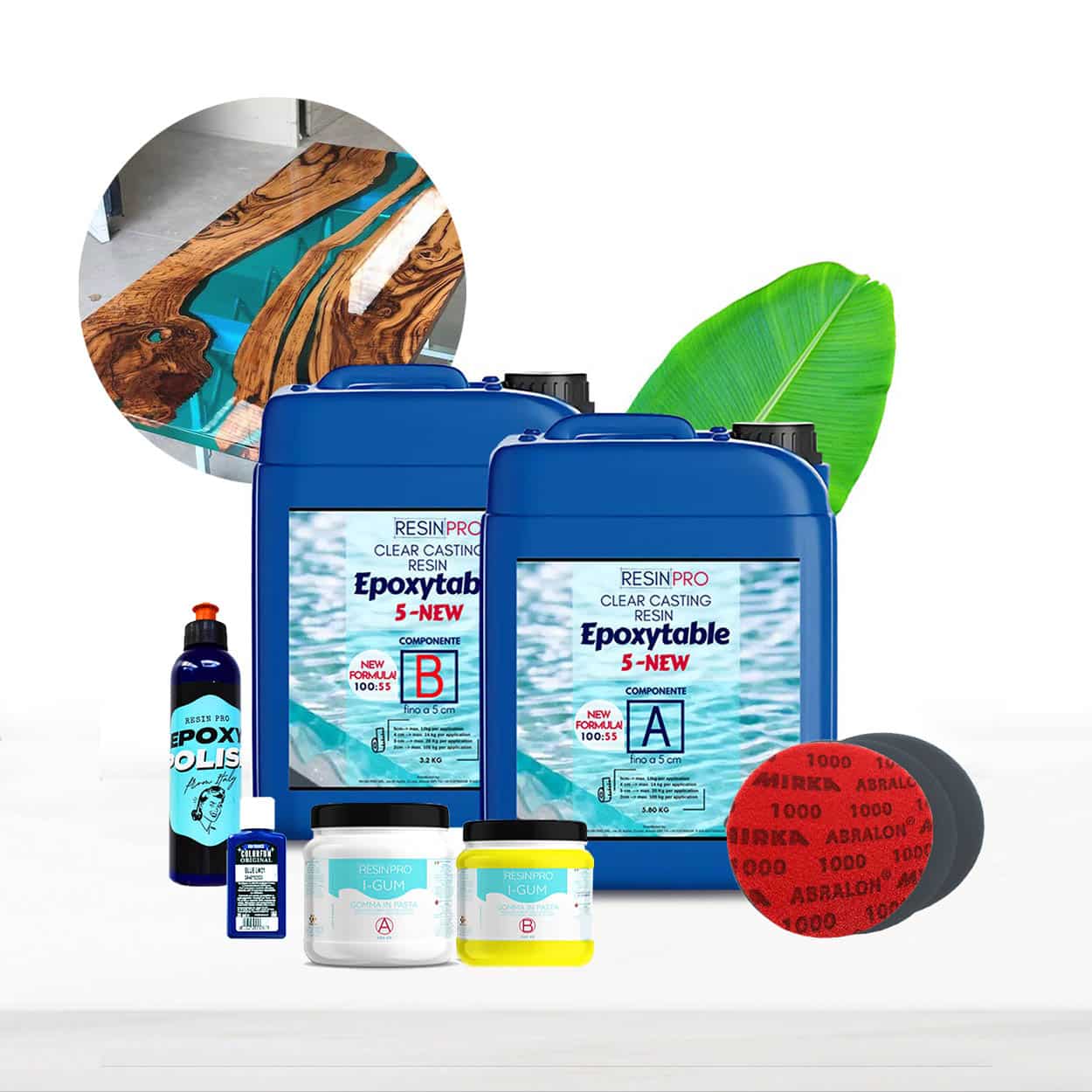
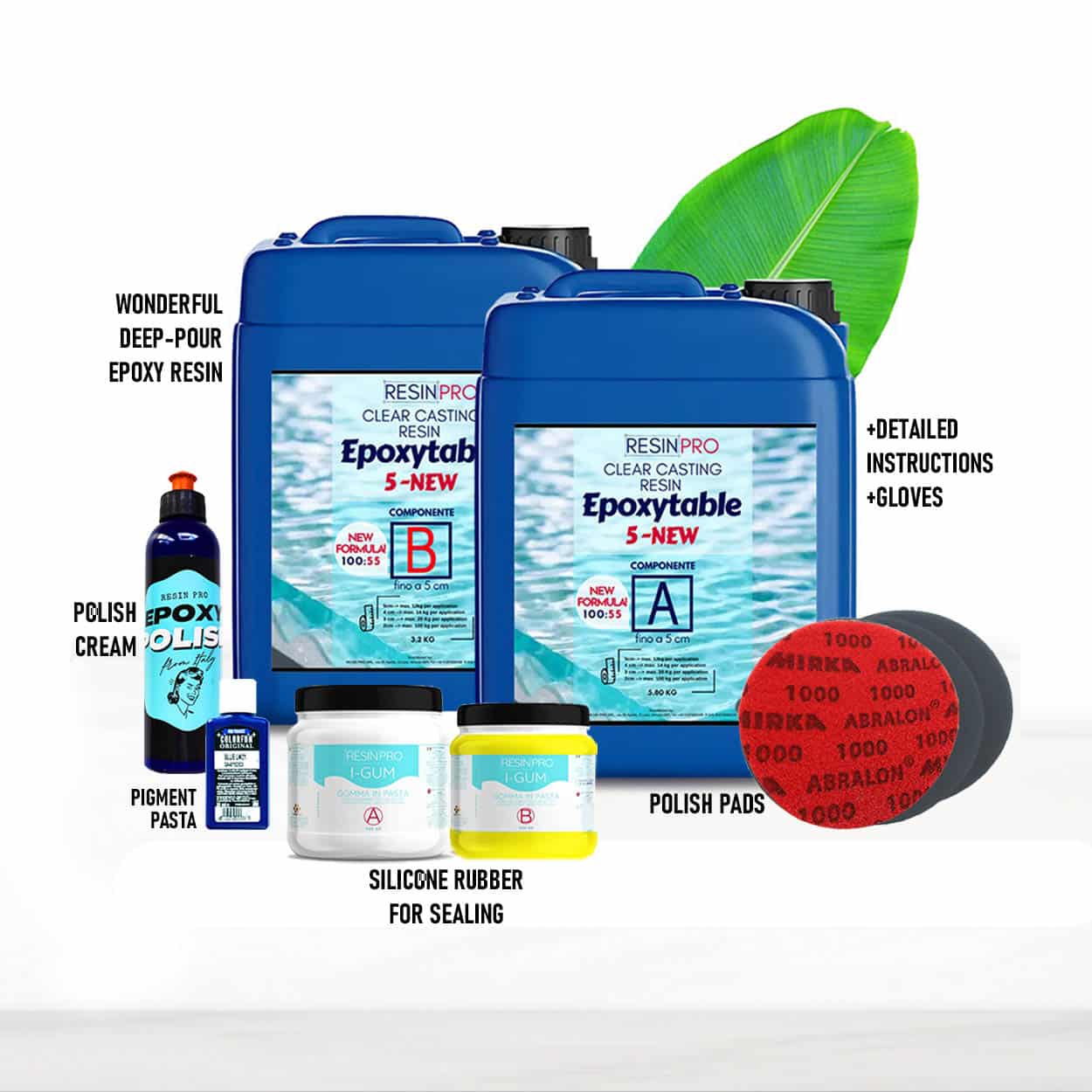
- “River-Table” – Complete Kit for Creating Your First Epoxy Resin Table – Ideal for beginners starting resin and wood projects, featuring epoxy resin, formwork sealant, and polishing materials.
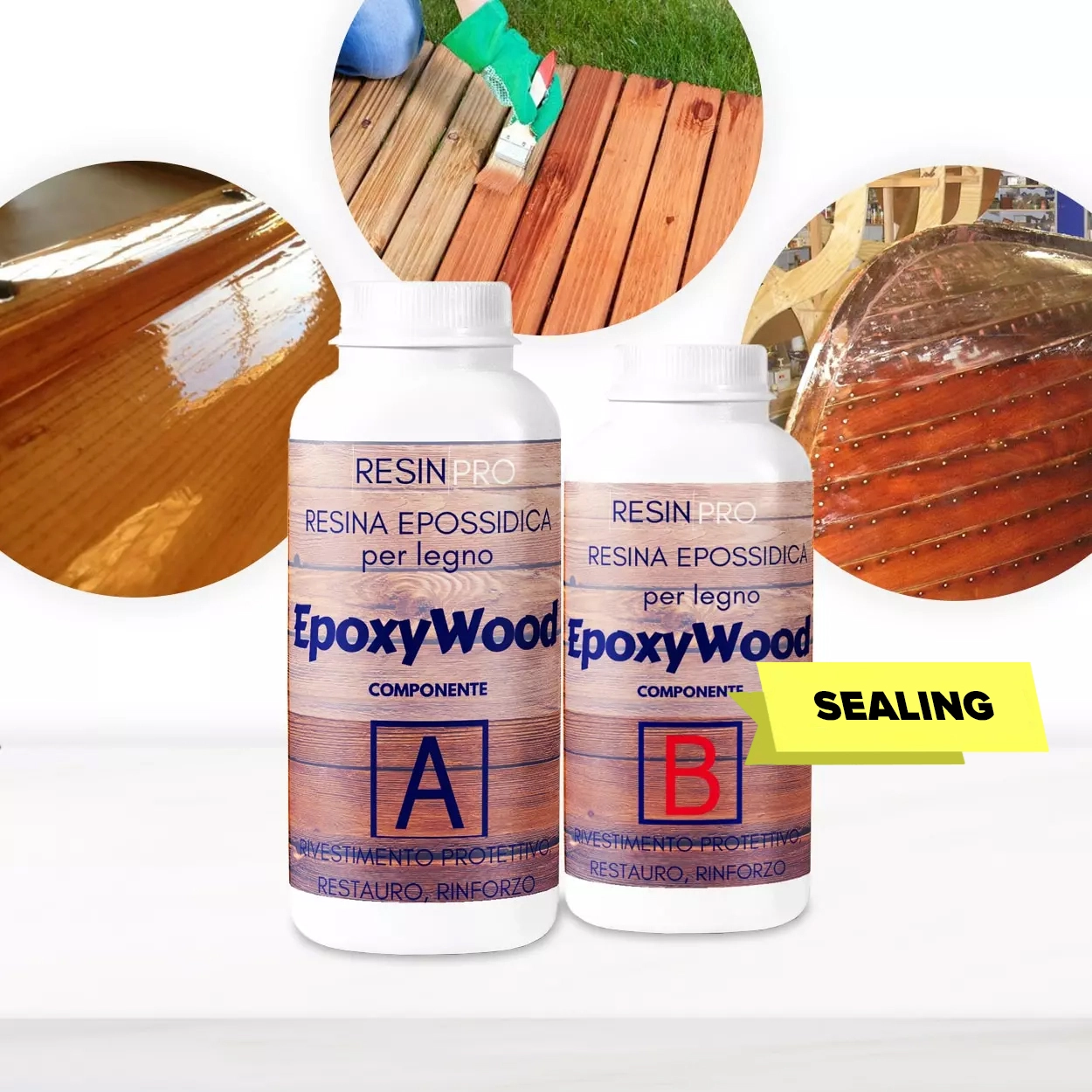
- “EpoxyWood” – Wood Restoration Epoxy Resin for Deep Penetration and Waterproofing – Perfect for reinforcing and waterproofing wooden surfaces before resin coating.
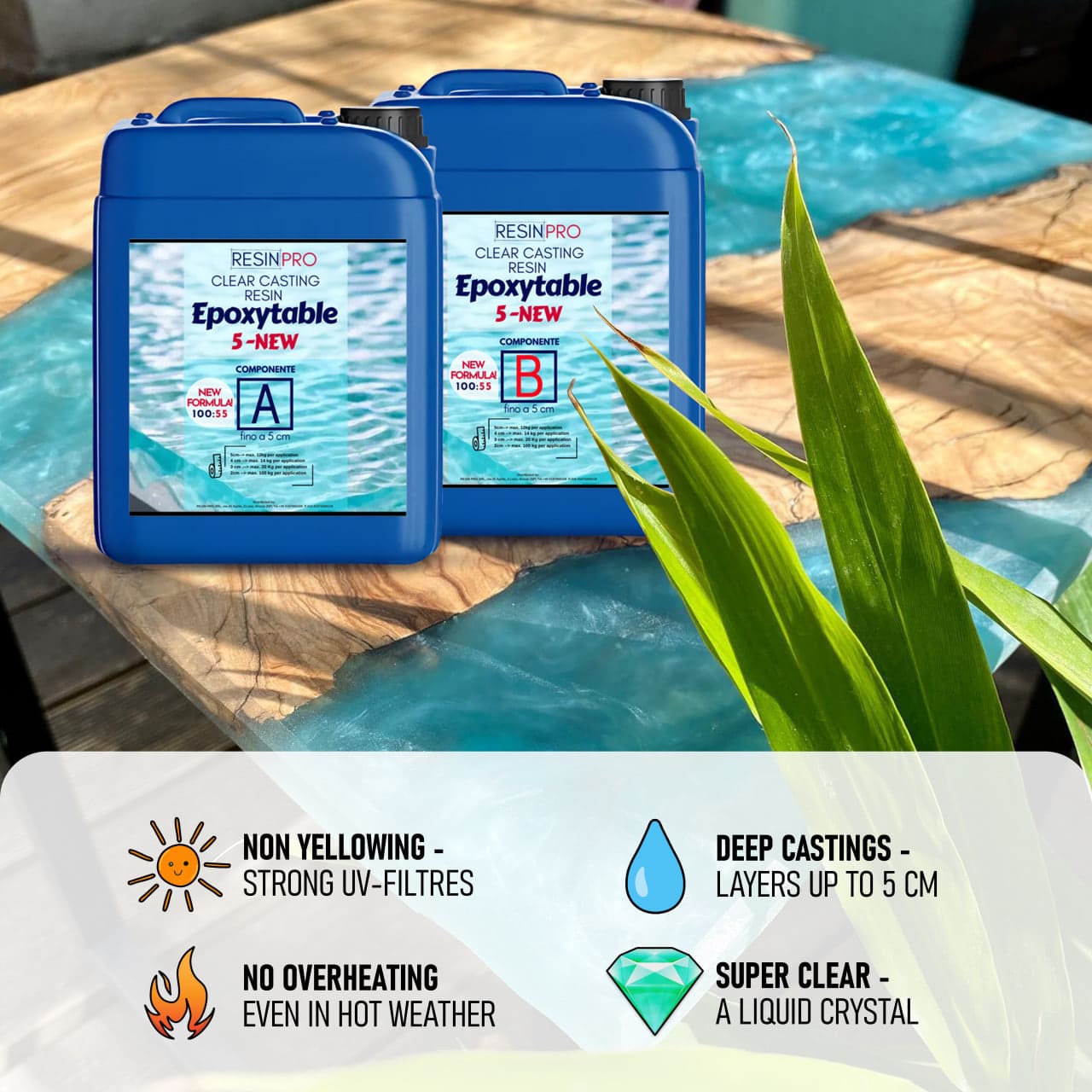
- “EpoxyTable 5-Five” – Deep Pour Epoxy Resin for Tables and Large Projects – Up to 5cm – Suitable for projects that require thicker resin layers with high clarity and scratch resistance.
- “Epoxytable 10-Ten” – Deep Pour Epoxy Resin for Tables, Up to 10cm Casting – Best for deep resin applications or large wooden castings.
- Sandpaper (various grits, typically 120 to 400)
- Level surface and protective gloves
- Mixing containers and spatula

Essential Tools for Perfect Resin Application
Quality equipment is crucial for a flawless finish. Always use clean containers, accurate scales, and suitable spatulas or brushes to avoid contamination and ensure even resin spread. Protective gloves safeguard your hands from sticky residue and skin sensitivity. Effective surface preparation means less risk of imperfections or bubbles during the resin application process.
Step 1: Prepare the Wooden Board
Ensure your wooden board is dry, clean, and smooth before applying any resin. Start by inspecting the wood for dust, dirt, old finishes, or oils. Clean thoroughly, then sand the surface using progressively finer sandpaper until smooth, finishing with at least 220 to 400 grit. Wipe away all dust with a lint-free cloth. If your wood is porous, or you want to reinforce and waterproof it, consider sealing it first.
For deep restoration or enhancing waterproofing before resin application, “EpoxyWood” – Wood Restoration Epoxy Resin for Deep Penetration and Waterproofing offers excellent results due to its deep penetration and strengthening capability.
Step 2: Mix the Epoxy Resin
Thoroughly mix your chosen resin and hardener according to the manufacturer’s instructions. Use a clean container and spatula, and follow the resin’s recommended ratio precisely. Mix slowly to minimise the introduction of air bubbles, scraping the sides and bottom of the container as you stir. Accurate mixing is crucial for consistent curing and clarity of the final finish.
Step 3: Pour and Spread the Resin
Slowly pour and spread the resin across your wooden board, allowing it to self-level. Begin at one end and pour in a thin, even layer, spreading gently with a spatula or brush. Allow the resin to move and settle; its self-levelling properties will eliminate brush marks when applied evenly. For projects like tabletops or river tables, opting for a specialist deep pour resin such as “EpoxyTable 5-Five” or “Epoxytable 10-Ten” ensures clarity, a bubble-free result, and optimal working time for thicker applications.

Step 4: Curing and Finishing
Allow the resin to cure for the recommended period, protecting it from dust. Most epoxies require 24 to 72 hours to cure, depending on the specific type and pour thickness. Cover the board with a dust shield if possible. Once cured, inspect for any imperfections or rough spots; if needed, sand lightly and apply a second coat. For a flawless finish, kits like the “River-Table” – Complete Kit for Creating Your First Epoxy Resin Table include polishing compounds and pads for the final touch.
Tips, Common Mistakes, and Troubleshooting
Work in a dust-free, well-ventilated area at the right temperature (typically 20–25°C). Always measure and mix resin components precisely, and be patient during curing times to avoid sticky surfaces or defects. Avoid over-application as it can lead to drips or curing issues. If you notice bubbles, use a heat gun or torch gently to remove them just after pouring, being careful not to scorch the resin. If you need multiple layers, allow each layer to reach a gel stage before applying the next.
Troubleshooting Resin on Wood Boards
If resin fails to cure properly or shows bubbles: Double-check your mixing ratios, workspace temperature, and curing times. Correct any issues before attempting a new application to maintain a high-quality, smooth surface. Patience during each stage is key to a long-lasting and professional wood and resin finish.

- "River-Table" – Complete Kit for Creating Your First Epoxy Resin TablePrice range: £188.85 through £444.85"River-Table" kit provides materials and instructions for creating wooden and resin tables, suitable for beginners using a clear resin casting…
- "EpoxyWood" – Wood Restoration Epoxy Resin for Deep Penetration and WaterproofingOriginal price was: £64.00.£39.85Current price is: £39.85."EpoxyWood" is designed for restoring and protecting wood with deep penetration and waterproofing, suitable for careful application on wooden…
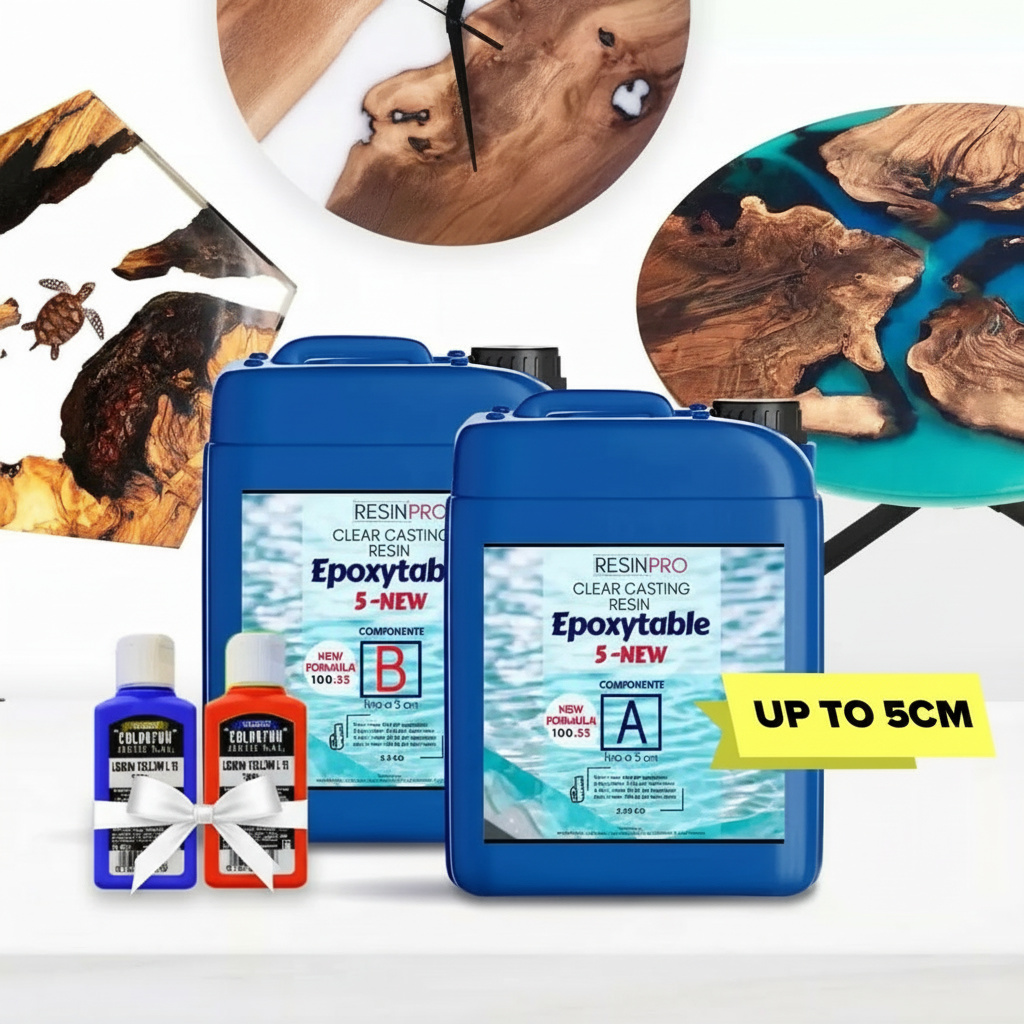 "EpoxyTable 5-Five" – Deep Pour Epoxy Resin for Tables and Large Projects – Up to 5cmPrice range: £16.85 through £1,099.85"EpoxyTable 5-Five" is designed for deep pour applications like tables and large projects, offering low viscosity and non-yellowing properties.
 “Epoxytable 10-Ten” – Deep Pour Epoxy Resin for Tables, Up to 10cm CastingPrice range: £33.85 through £334.85Epoxy resin designed for deep pour applications up to 10cm thickness, suitable for tables and artistic projects.
Frequently Asked Questions
Which resin is suitable for thick wooden board coating?
For coatings thicker than 2cm, use "EpoxyTable 5-Five" or “Epoxytable 10-Ten” for excellent clarity and bubble resistance.
Can I use resin directly on unsealed wood?
Resin can be applied directly, but sealing or priming porous wood with "EpoxyWood" enhances durability and reduces air bubbles.
How long does epoxy resin take to cure on wood?
Cure times vary but typically take 24 to 72 hours for full hardness, depending on resin type and layer thickness.
What should I do if air bubbles appear in the resin?
Remove bubbles with a heat gun or torch right after pouring, taking care not to overheat or scorch the resin surface.
Is a resin finish waterproof for wood?
Epoxy resin forms a sealed, waterproof coating, protecting wood from moisture, stains, and minor impacts.
Do I need special tools for applying resin?
Basic tools such as mixing containers, spatulas, and protective gloves are essential for best results, but no complex equipment is needed.