 Free shipping on orders over £29,85
  Shipping Tracking!


 Google
 Facebook
How to decorate Christmas ornaments with resin
Step-by-step festive resin ornament techniques for beginners and artists


Transforming your Christmas decorations with resin creates personal, glossy, and long-lasting ornaments that sparkle year after year. This guide will walk you through the essential methods and techniques for achieving professional-looking resin Christmas ornaments, whether you are a beginner or an experienced crafter. Follow these steps for beautiful festive results that become cherished keepsakes.
What You’ll Need
- UV Resin Kit with 5 Christmas Silicone Moulds for Festive Crafting – for quick curing and festive mould designs
- “Art Pro” – Clear Epoxy Resin for Artists and Surface Coating – for glass-like clear finishes on flat ornaments
- “Trasparente” – Multipurpose Clear Epoxy Resin for Casting – Up to 2cm – for thicker or more intricate cast decorations
- Christmas ornament silicone moulds (if not included in a kit)
- Protective gloves and mixing tools
- Decorative additives: glitters, mica powders, alcohol inks (optional)
- UV lamp (for UV resin only), disposable cups, stirring sticks, and old newspaper for surface protection

Get Inspired by Resin Christmas Crafts
Explore festive ideas and see finished resin Christmas ornaments in a variety of colourways and effects—think shimmering snowflakes, bright baubles, and personalised trinkets. Browse inspirational galleries and tutorials to spark your own creative holiday projects.
Step 1: Prepare Your Workspace and Materials
Start by selecting a clean, dust-free area to work in. Lay down protective coverings and gather all your materials before beginning. Always work in a well-ventilated space and wear gloves to prevent skin contact with uncured resin. Ensure your silicone moulds are clean and dry, free from any residue, as this will affect the clarity and shape of your finished ornaments.
If you are using a UV Resin Kit with 5 Christmas Silicone Moulds for Festive Crafting, set the moulds and UV lamp within easy reach. For two-part resins, have your hardener and resin bottles ready, with measuring cups clearly marked.

Step 2: Mix and Colour Your Resin
Carefully read your resin’s instructions regarding ratios and mixing times. Measure carefully to avoid issues with curing—most two-part epoxies use a specific ratio, so use digital scales or marked cups. Stir gently but thoroughly until fully combined, taking care not to introduce bubbles.
At this stage, add in any chosen colourants, glitters, or inclusions. For a brilliantly clear finish on surface ornaments, “Art Pro” – Clear Epoxy Resin for Artists and Surface Coating is ideal as it offers high-gloss clarity. When creating thicker decorations or embedded inclusions, “Trasparente” – Multipurpose Clear Epoxy Resin for Casting – Up to 2cm provides impressive depth and transparency.
Step 3: Pour the Resin into Ornament Moulds
Slowly pour your mixed resin into the silicone moulds. Avoid overfilling the mould to ensure neat edges and proper shapes. If making smaller ornaments or want rapid results, use the UV Resin Kit and place the filled moulds under a UV lamp for curing as per instructions. For regular epoxy resins, leave the poured moulds on a flat, levelled surface to avoid uneven edges.
You can layer different colours or add decorative elements between pours for intricate designs. Tap the sides of the mould gently or use a toothpick to release trapped air bubbles before curing.
Step 4: Cure, Demould, and Finish Your Ornaments
For UV resin, simply follow the recommended exposure time under the UV lamp. For epoxies, the curing stage might take several hours to a day, depending on the product used. Allow proper curing time – rushing this step can lead to dents or fingerprint marks.
Once cured, gently demould your ornaments by flexing the silicone. Smooth rough edges with a fine file if necessary. Add a ribbon, string, or metal eyelet to turn your creations into hanging decorations. Admire your sparkling, custom Christmas ornaments ready for the tree!

Tips, Troubleshooting, and Common Mistakes
Test pigment compatibility before making batches—some colourants may affect curing or clarity. If bubbles form, use a heat tool briefly over the surface (avoid prolonged heat on silicone). Don’t demould early—this can distort your ornaments. For extra creative flair or to troubleshoot trickier techniques, consider structured learning like an Online Video Course – Christmas Tree Decorations Masterclass (Instagram Access).
Creative Finishes and Next Steps
Elevate your ornament designs by experimenting with new pigments, metallic flakes, and layered pours. If you’re seeking further confidence or new techniques, a masterclass can provide hands-on video guidance on everything from mixing to advanced decorative effects.

- Online Video Course – Christmas Tree Decorations Masterclass (Instagram Access)£19.85This course offers step-by-step video lessons to learn techniques for creating Christmas tree decorations with resin.
- UV Resin Kit with 5 Christmas Silicone Moulds for Festive CraftingPrice range: £14.85 through £25.85This UV Resin Kit includes five Christmas-themed silicone moulds and clear fast-curing resin, suitable for festive crafting projects.
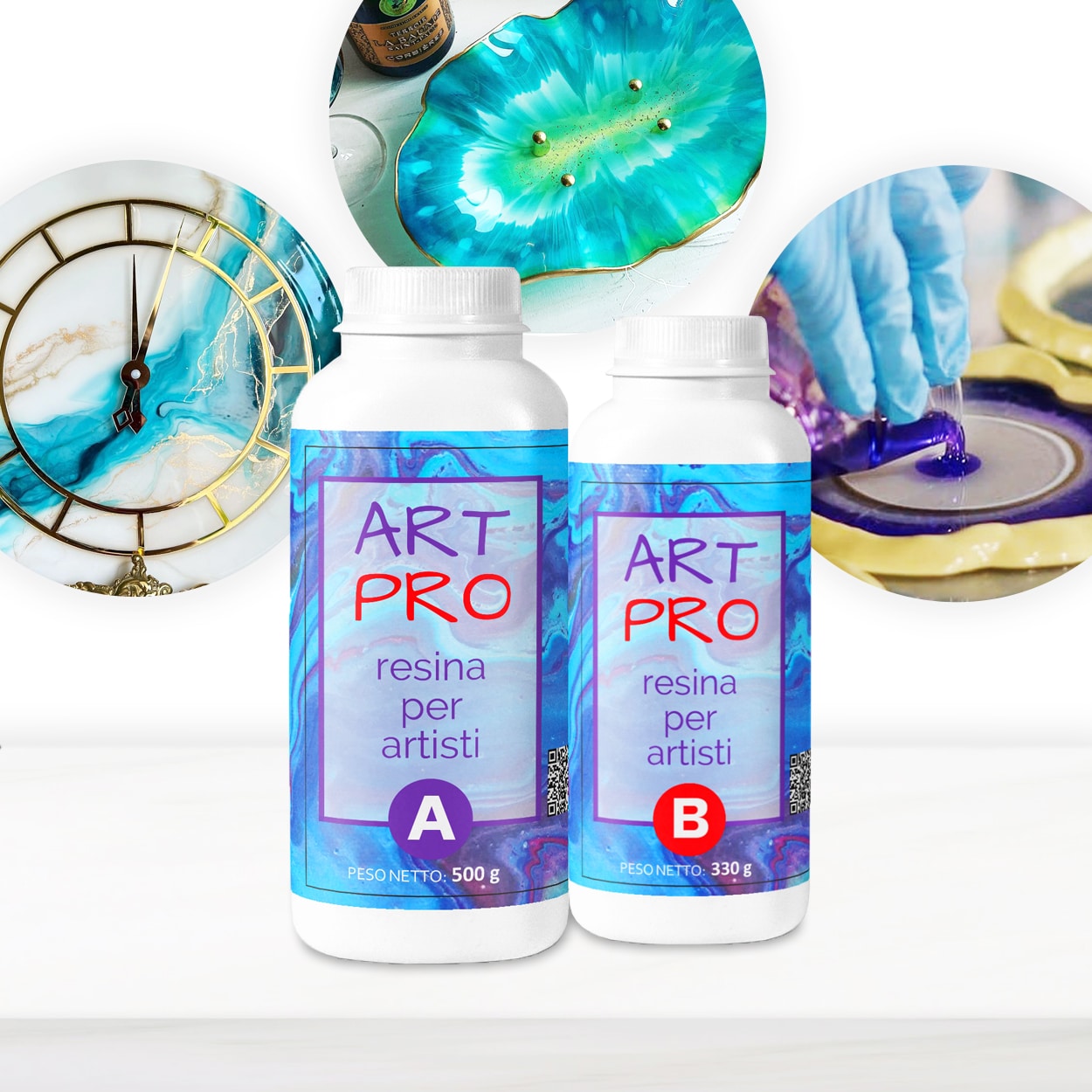 "Art Pro" – Clear Epoxy Resin for Artists and Surface CoatingPrice range: £31.15 through £388.85"Art Pro" clear epoxy resin is suitable for decorative surface coatings, offering durability and high gloss for artistic projects.
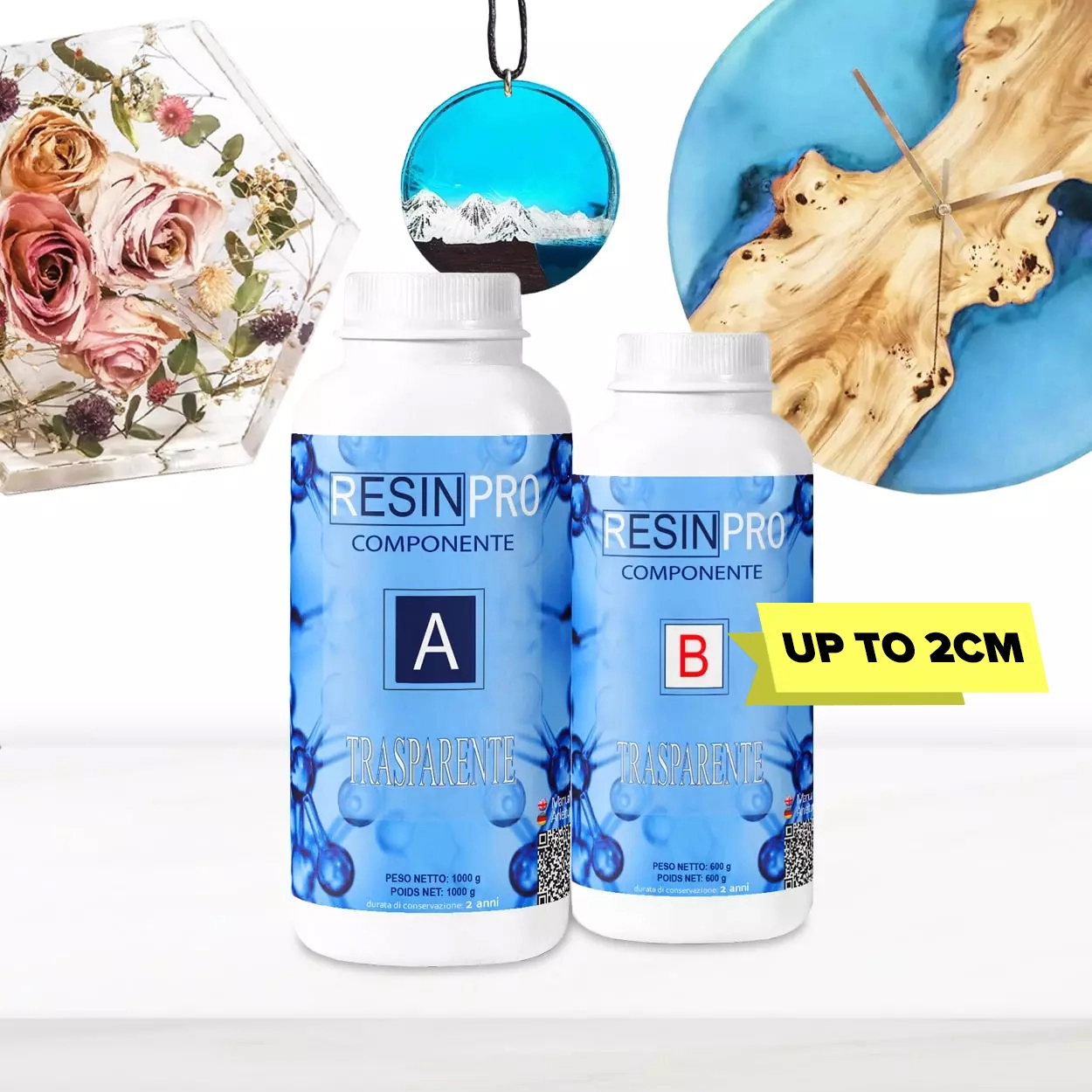 "Trasparente" – Multipurpose Clear Epoxy Resin for Casting – Up to 2cmPrice range: £8.45 through £948.85"Trasparente" resin provides a clear, self-levelling finish with up to 2cm layers, suitable for detailed DIY and woodworking projects.
Frequently Asked Questions
What is the best type of resin for Christmas ornaments?
Fast-curing UV resin is best for small ornaments, while clear epoxy resin is suitable for larger or more intricate designs.
How do I prevent bubbles when pouring resin into moulds?
Mix resin slowly to avoid trapping air and gently tap or use a toothpick to release bubbles before curing.
Can I add glitter or pigments to resin ornaments?
Yes, you can add glitter, mica powders, or alcohol inks to resin during mixing to create custom festive effects.
How long should resin ornaments cure before demoulding?
UV resin cures in minutes with a lamp, while epoxy resins may need 12–24 hours depending on thickness and conditions.
Can children make resin Christmas ornaments safely?
Resin projects should be supervised by adults, and safety gear like gloves and masks is strongly recommended.
How do I fix sticky or soft resin ornaments?
Sticky resin usually indicates improper mixing or ratio. Allow more time; if it's still soft, the piece may need to be recast.