 Free shipping on orders over £29,85
  Shipping Tracking!


 Google
 Facebook
← Back to How do you dilute food-grade epoxy paint?
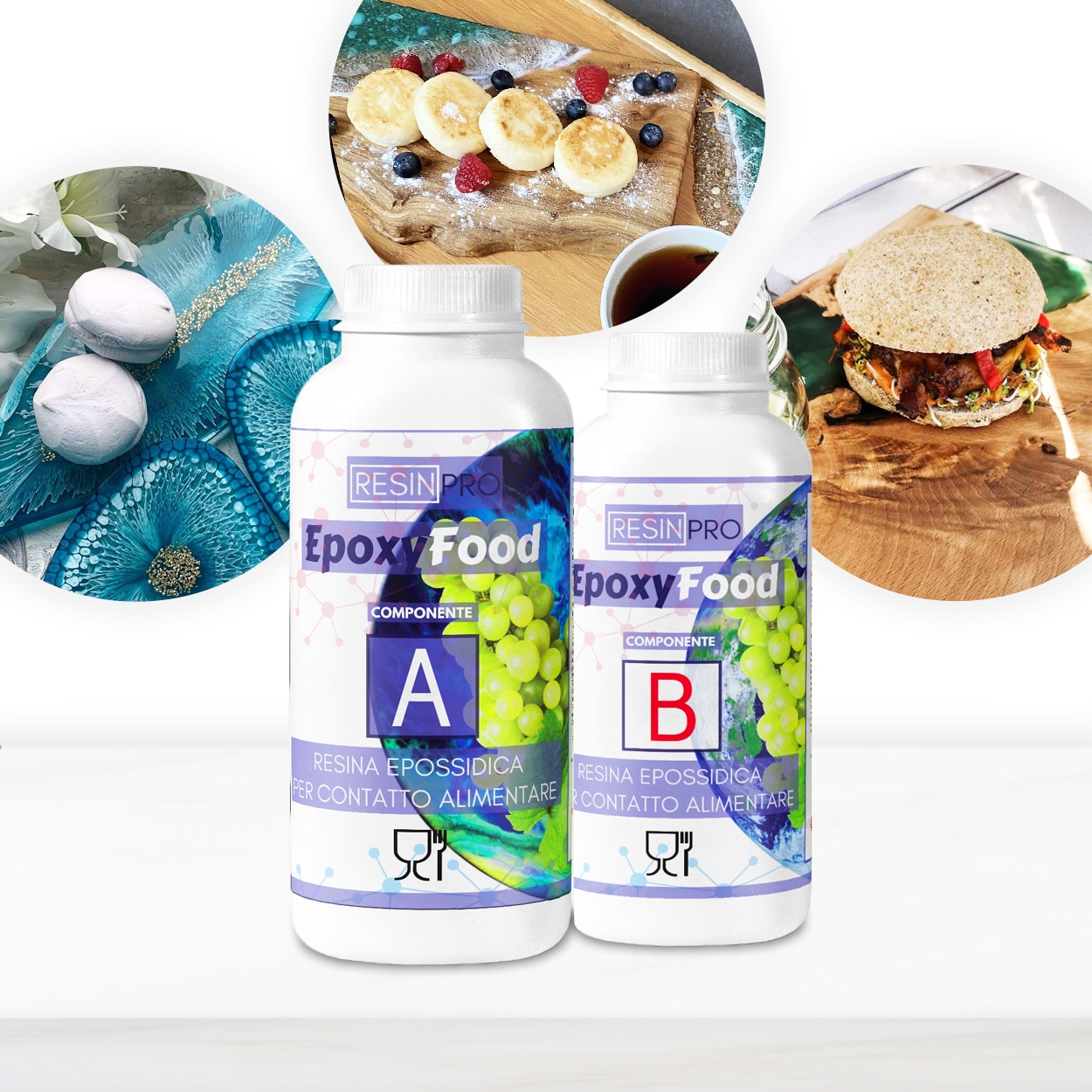
When working with food-grade epoxy resin, it’s vital to understand the correct amount of diluent you can safely add. Staying within recommended limits is essential for maintaining the resin’s safety and intended properties.
Why Diluent Amount Matters
Adding too much diluent to food-safe epoxy resin can degrade its strength, clarity, and food-safe certification. Manufacturers rigorously test their recommended mixing ratios—including allowable dilution levels—to ensure both structural integrity and safe food contact. Exceeding these recommendations risks invalidating food safety certifications and undermining the finished coating’s performance.
Practical Mixing Guidance
Always check the technical datasheet of your epoxy resin to find the precise amount of diluent permitted. Use a dedicated mixing bucket for accurate, consistent combination. For products such as EpoxyFood – Certified Clear Food Contact Epoxy, avoid any dilution unless the manufacturer specifically instructs otherwise. This preserves the non-toxic and certified food safety of your work.
When This Matters
Adhering to the recommended diluent quantity is critical for anyone coating items like plates, boards, or kitchen surfaces that may touch food. Ensuring compliance keeps your handmade or professional resin coatings safe and up to applicable standards.
Related products
Related guides
For successful results, always respect the limits on diluent additions to maintain guaranteed safety and performance. If you’re exploring further tips on mixing or applying food-grade epoxy coatings, discover more guides on our main FAQ about how to dilute food-grade epoxy paint.