 Free shipping on orders over £29,85
  Shipping Tracking!


 Google
 Facebook
how to make resin jewellery tutorial
Learn beginner-friendly steps to craft unique resin accessories


Resin jewellery making opens creative possibilities for unique custom pieces, from pendants to earrings. This beginner-friendly guide walks you through crafting resin jewellery at home, covering preparation, pouring, curing, and finishing for professional results—ideal for anyone curious about working with resin or looking to upgrade their handmade accessories.
What You’ll Need
- “Evershine Collection” – Artisan Jewellery Epoxy Resin Kit with 100+ Accessories – A comprehensive starter kit with resin, pigments, inclusions, moulds, and findings
- “UV–Creation” – Fast Acrylic Resin, 3 Minute UV Cure – For projects needing rapid setting and clear, glossy finishes under UV light
- Set of 10 Open Metal Bezels for Jewellery Making and UV Resin Projects – To create shaped pendants and fill with resin for personalised effects
- Protective gloves, silicone mixing cups, stir sticks, pipettes, UV lamp (if using UV resin)
- Alcohol wipes or baby wipes for cleaning up

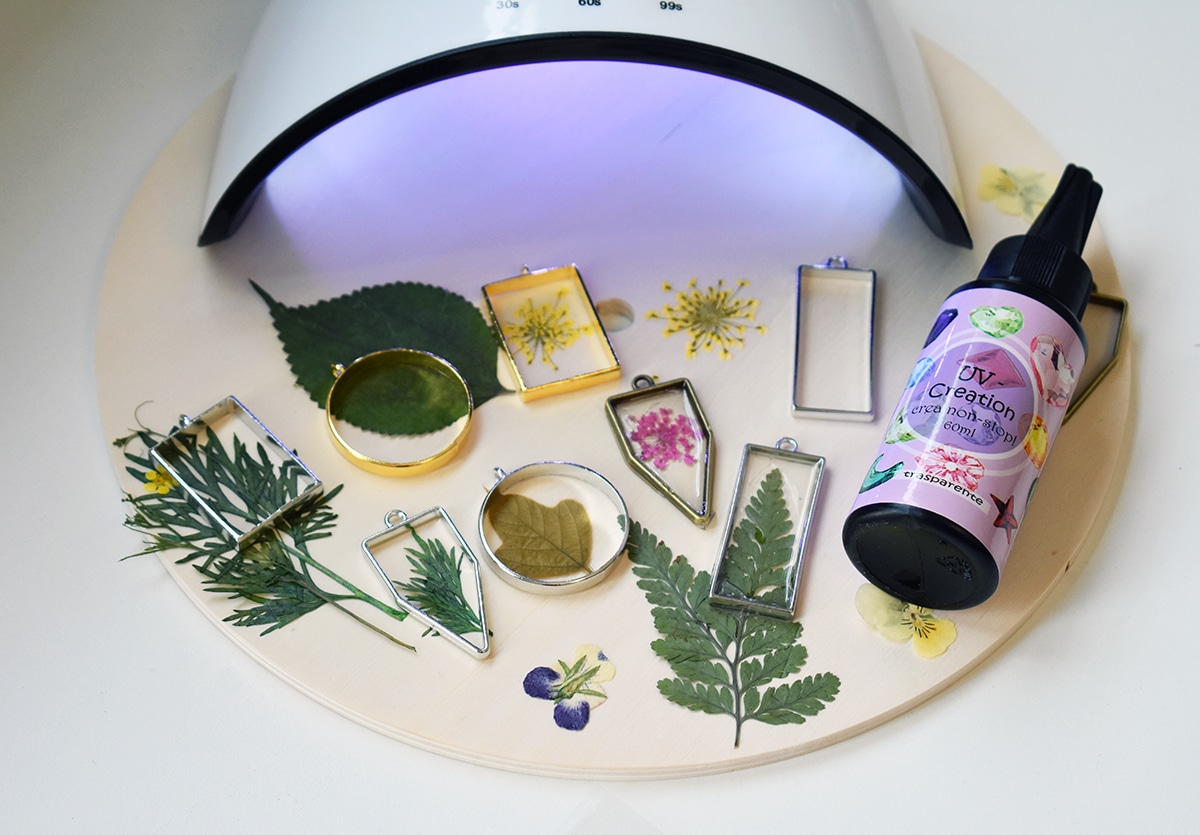
Essential Tools and Materials Close-Up
See the must-have materials and accessories for a smooth resin jewellery crafting experience. Proper prep sets the stage for flawless results. Whether using a full kit or adding open bezels, having your items ready saves time and effort.
Step 1: Prepare Your Workspace and Materials
Start with a clean workspace that is free from dust and well-ventilated, as this will help maintain clarity in your finished pieces and keep your work zone safe. Gather all materials and protect your surfaces—resin can be sticky and permanent if spilled. Wear gloves to avoid skin contact and set up all the necessary accessories, moulds, or bezels before mixing your resin. Ensure the silicone moulds or open bezels are dry and clean for optimal results.
Double-check your setup for resin-safe tools and arrange your inclusions, such as dried flowers or pigments, nearby. A careful start reduces rushed mistakes and helps the process go smoothly.
Step 2: Mixing and Colouring the Resin
Measure and mix resin accurately according to the type you’re using. If you have the “Evershine Collection” – Artisan Jewellery Epoxy Resin Kit with 100+ Accessories, follow its 1:1 ratio, blending parts A and B thoroughly for at least two minutes until the mixture is streak-free. Scrape the bottom and sides of your mixing vessel to avoid lingering unmixed resin, which can cause sticky spots and cloudy areas.
Add small amounts of pigment, mica powder, or dried flowers to the mixed resin only after it is fully blended. Stir gently to distribute colour or inclusions evenly without introducing excess air bubbles. Prepare only what you can use in the resin’s working time—avoid letting it sit too long before pouring.
Step 3: Pouring Resin into Moulds and Bezels
Carefully pour the mixed resin into your silicone moulds or Set of 10 Open Metal Bezels for Jewellery Making and UV Resin Projects. Use a pipette or small stick for more control, especially with intricate bezels. Avoid overfilling your moulds or bezels to ensure easy demoulding and crisp edges. Working slowly helps prevent bubbles and uneven distribution of inclusions.
If you are using UV-curable resin such as “UV–Creation” – Fast Acrylic Resin, 3 Minute UV Cure, work in layers no thicker than 3 mm, curing each layer before adding more. This ensures a strong, crystal-clear finish and prevents under-cured, tacky resin inside the piece.
Step 4: Curing, Demoulding, and Finishing
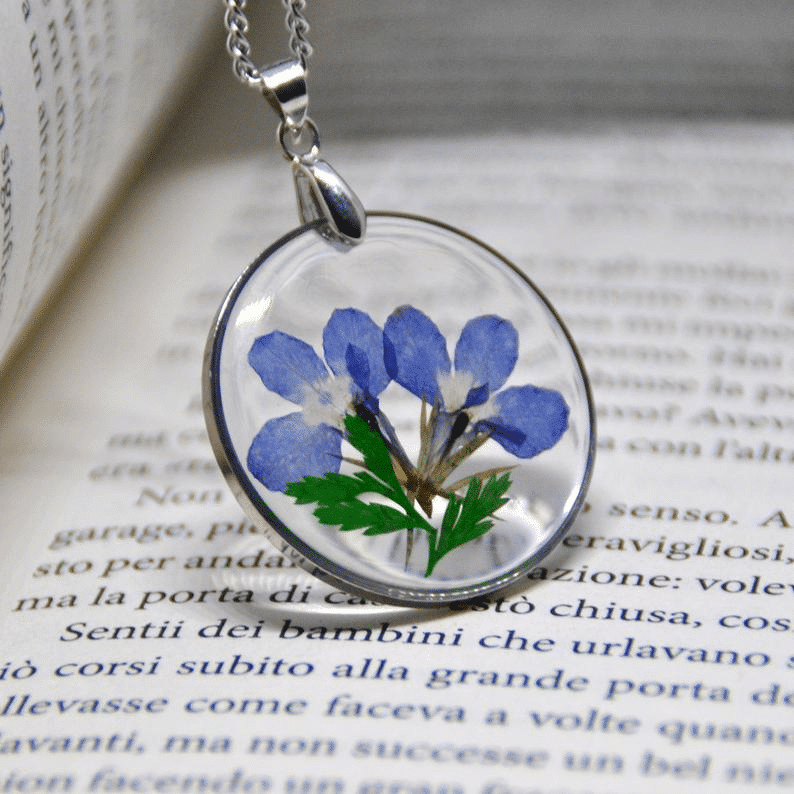
Allow epoxy resin items to cure at room temperature, following the cure time indicated on your kit—typically 24–48 hours for full hardness. For UV resin, use a UV lamp and cure each layer for 2–3 minutes or until solid and clear throughout. Work in thin layers for best results; thick pours may stay soft or trap bubbles.
Once cured, remove your jewellery from the moulds or bezels by gently flexing the silicone or nudging pieces out of the metal frames. Trim any uneven edges with scissors or a craft knife. To achieve a high-gloss finish, lightly sand rough areas and polish the surface as desired.
Tips and Common Mistakes in Resin Jewellery Making
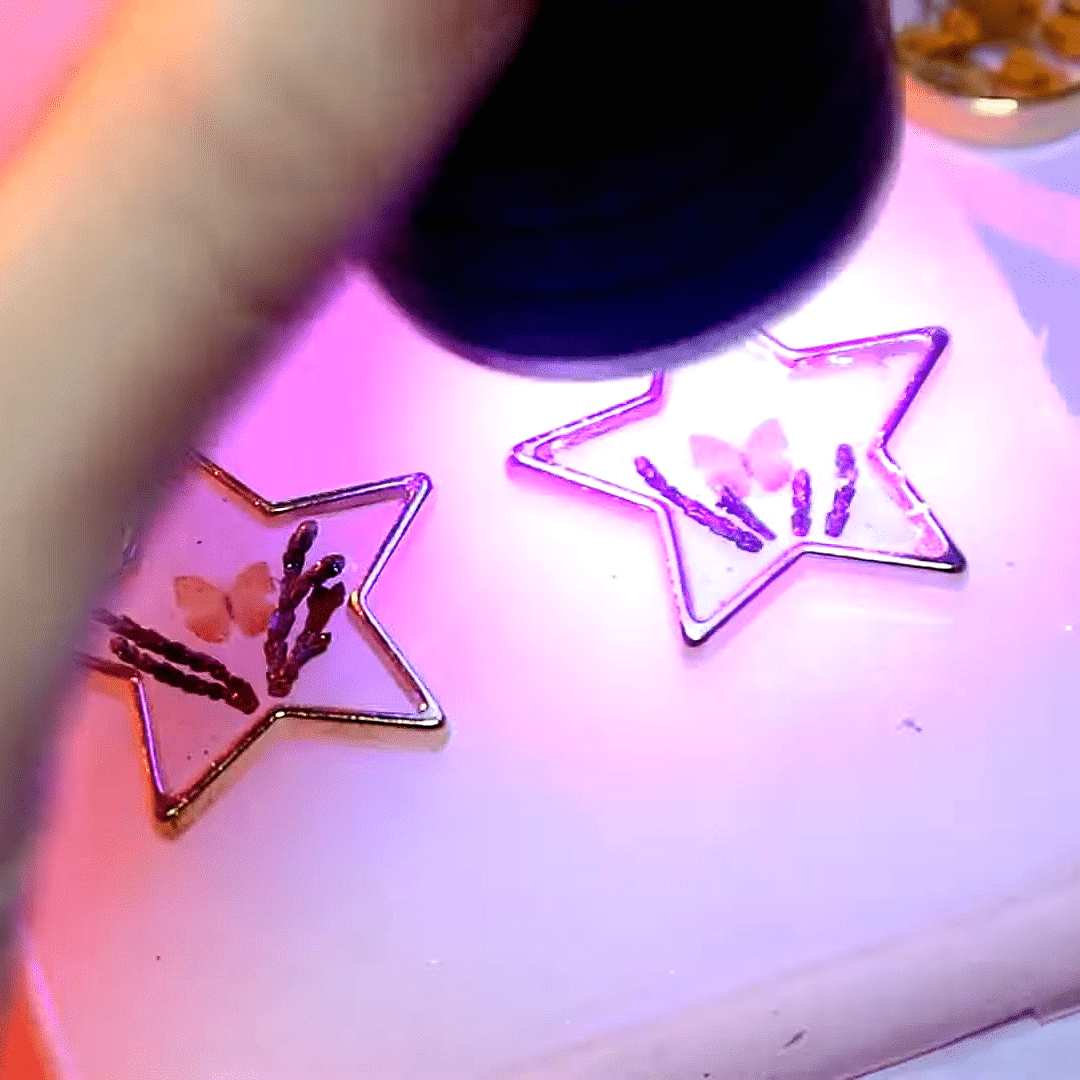
Work patiently to avoid introducing bubbles—swift mixing or pouring is the most common source. If bubbles appear, gently warm the surface with a heat gun or blow through a straw to help them rise and pop. Always ensure your working tools and moulds are completely dry. Moisture or contamination is a leading cause of cloudiness or poor curing.
Pigment usage should be moderate; too much colourant can inhibit curing and produce soft, sticky pieces. Use only colourants approved for your resin type, especially with UV resin. Finally, keep pets and children away from wet resin until it is fully cured for safety and best results.
Troubleshooting and Finishing Touches
Pay special attention during curing—patience here rewards you with crystal-clear, durable jewellery. Finishing techniques like sanding, polishing, or drilling holes add the final professional touch to your homemade accessories.
- "Evershine Collection" – Artisan Jewellery Epoxy Resin Kit with 100+ Accessories£20.85"Evershine Collection" offers a complete epoxy resin jewellery kit with 500g resin and over 100 accessories, suitable for beginners and crafters…
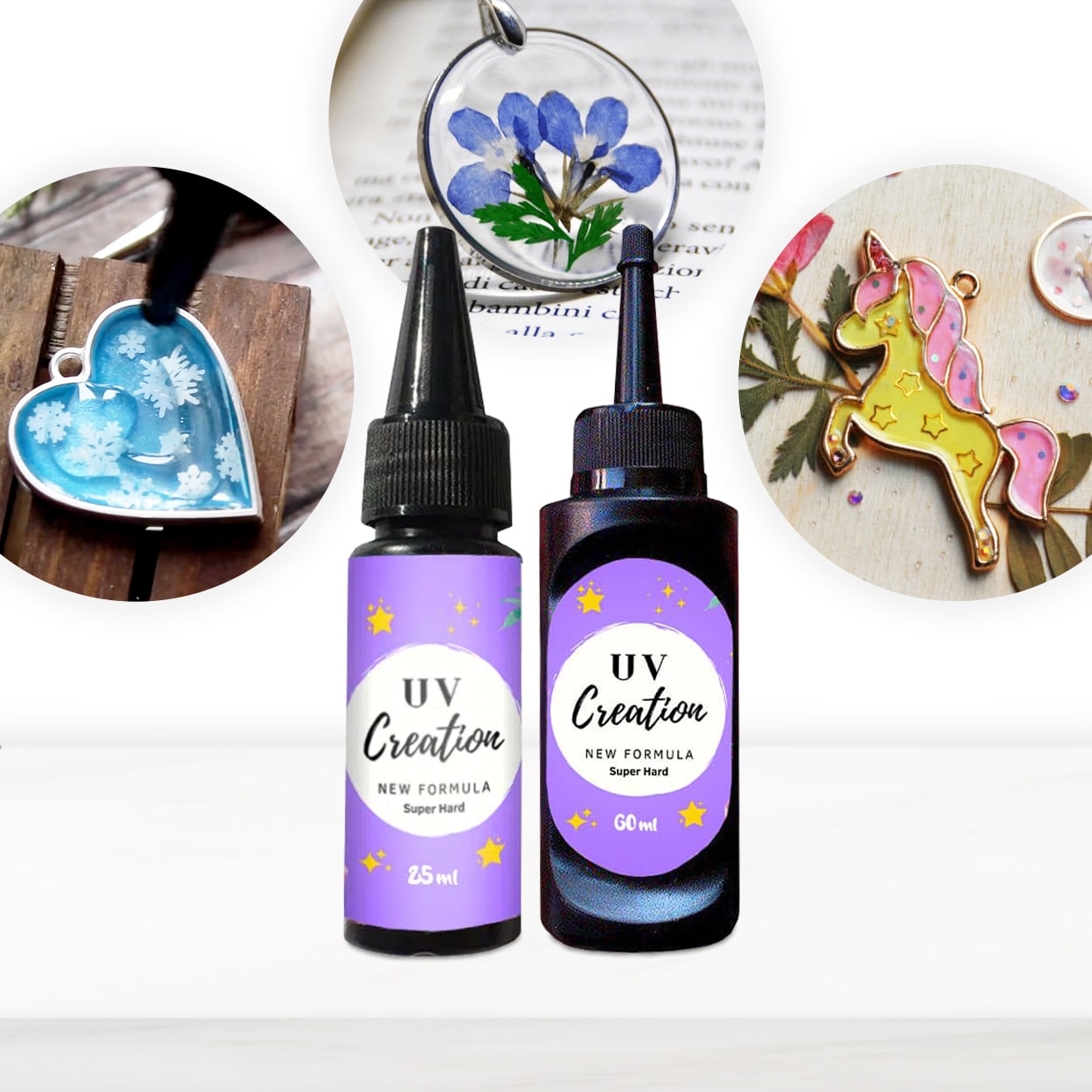
- "UV–Creation" – Fast Acrylic Resin, 3 Minute UV CurePrice range: £7.85 through £59.85UV–Creation Fast Acrylic Resin cures quickly under UV light, suitable for jewellery making with a clear, glossy, and non-yellowing finish.
 Set of 10 Open Metal Bezels for Jewellery Making and UV Resin ProjectsOriginal price was: £8.45.£6.85Current price is: £6.85.Set of 10 open metal bezels suitable for creative resin jewellery making and festive personalised projects.
- Set of 10 Open Metal Bezels for Jewellery Making and UV Resin ProjectsOriginal price was: £8.45.£6.85Current price is: £6.85.Set of 10 open metal bezels designed for Christmas jewellery projects, suitable for resin crafters following a jewellery tutorial.
Frequently Asked Questions
What type of resin is best for jewellery making?
Epoxy resin is ideal for most handmade jewellery, while UV resin is perfect for fast, small projects cured under UV light.
Can I embed flowers, photos, or glitter in resin jewellery?
Yes, most resins will encapsulate flowers, glitter, or even small photos for unique effects, as long as inclusions are completely dry.
How do I prevent bubbles when making resin jewellery?
Mix and pour slowly, and use a heat gun or straw to remove surface bubbles after pouring into the mould or bezel.
How long does resin jewellery take to cure?
Epoxy resin usually cures in 24–48 hours, while UV resin hardens in a few minutes under UV light.
Why is my resin jewellery sticky or soft after unmoulding?
Incorrect mixing ratios, under-mixing, or too much pigment can cause tacky resin. Always check instructions and measure accurately.
Is resin jewellery safe to wear on skin?
Fully cured resin jewellery is safe for most people to wear, but uncured resin should never touch skin directly.