 Free shipping on orders over £29,85
  Shipping Tracking!


 Google
 Facebook
← Back to How to Make Resin Miniatures
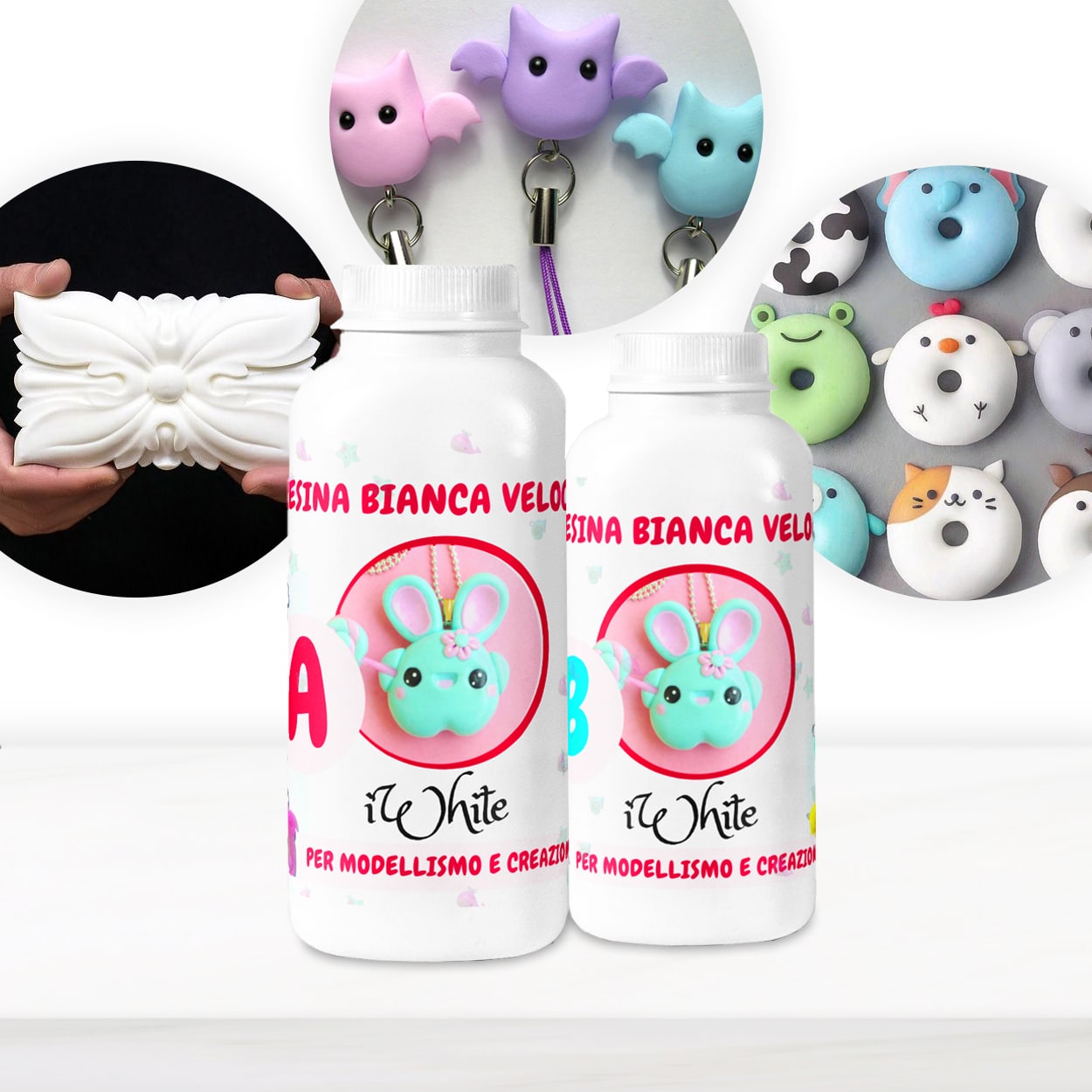
Achieving crisp detail is essential for professional-looking resin miniatures. The choice of resin can make all the difference in capturing fine features and lifelike textures in your cast models.
Polyurethane vs Epoxy: Which Performs Best?
Two of the leading resins for fine-detail miniature casting are polyurethane and clear epoxy. Polyurethane resins, such as IWHITE, excel for their low viscosity and rapid setting time. This enables the resin to flow into every nook of your mould, picking up subtle surface texture with minimal bubble formation—vital for intricate pieces.
Clear epoxy resins stand out with their glass-like finishes and good working times. Fast-curing options like ICREATION are especially practical when you need transparent effects or want to finish batches quickly. Both resin types yield crisp results when paired with well-made moulds and careful handling.
Top Tips for Crisp Miniature Results
- Ensure your mould is clean, well-supported, and defect-free for optimal fidelity.
- Mix your resin precisely as directed to reduce risk of bubbles or incomplete curing.
- Pour the resin carefully and tap or vibrate the mould to release trapped air.
- For extremely fine or 3D relief details, a UV resin such as Fairy Wings can also provide excellent results when applied in thin layers and cured under UV light.
When Detail Matters Most
Choosing the right resin is particularly important for miniatures used in professional model making, tabletop gaming, or any project where sharp detail and smooth surfaces are non-negotiable. These applications make resin selection—along with quality moulds—a priority for serious enthusiasts and commercial studios.
Related products
Related guides
Selecting a premium polyurethane, fast epoxy, or specialised UV resin empowers you to craft miniatures with exceptional clarity and definition. Explore further options and detailed advice in our main guide on how to make resin miniatures.