 Free shipping on orders over £29,85
  Shipping Tracking!


 Google
 Facebook
How to make resin parts for a car?
Resin parts can completely transform your car—whether you’re replacing panels, creating bespoke interior details, or repairing existing components. By using the right epoxy techniques, you’ll achieve parts that look professional and deliver the mechanical strength needed for automotive applications. This guide explains every step, helping both beginners and experienced makers craft resin parts for cars with confidence.
Step-by-step guide for rugged and glossy car components


What You’ll Need
- “Carbon Resin” – Epoxy Resin for Carbon Fiber & Fiberglass Coating: Epoxy resin designed for perfect fibre impregnation, crucial for structurally sound and glossy automotive parts.
- “Epoxytable 10-Ten” – Deep Pour Epoxy Resin for Tables, Up to 10cm Casting: Ideal for very thick components needing bulk casting and remarkable clarity.
- “EpoxyTable 5-Five” – Deep Pour Epoxy Resin for Tables and Large Projects – Up to 5cm: Suitable for mid-sized, robust car details or accent parts.
- “Klebfix” – Two-Component Fast Epoxy Glue 2K, 25g Syringe: Reliable choice for quick, precise bonding or repairing car resin components.
- Carbon fibre or fibreglass fabric for reinforcement
- Waxed mould or template (if casting custom shapes)
- Mixing containers, gloves, safety goggles, and protective clothing
- Sandpaper, trimming tools, and release agents

Choosing the Right Reinforcement
Carbon fibre and fibreglass are the most common materials for automotive resin parts, offering balance between lightweight performance and durability. Selecting the suitable weave, thickness, and layering style based on your car application is key.
Use epoxy resin formulated for technical fabrics to ensure top mechanical strength and finish quality.

Step 1: Prepare Your Work Area and Mould
An organised workspace is essential for crafting resin parts for your car. Work in a well-ventilated area, protect surfaces with plastic sheeting, and gather all necessary tools. If using a reusable mould, ensure it is clean, dry, and lightly coated with a suitable release agent to prevent the resin sticking.
If you’re replicating an original part, use a precisely shaped template. Take extra care with detail and edges, as the resin will reflect every contour once cured.
Step 2: Lay Up Reinforcement Fabrics
Carefully cut carbon fibre or fibreglass fabric to match your mould or template. Position the layers in place, making sure they sit flush and cover all necessary surfaces. The quality of this step is vital for structural integrity—avoid folds, overlaps, and creases that could compromise strength or appearance.
If more strength is required, use multiple layers. Always stagger fabric seams for added durability in your finished car part.
Step 3: Mix and Apply the Resin
Using a suitable two-component epoxy resin, mix carefully according to the manufacturer’s ratios. For car body panels, trim pieces, or any carbon fibre work, “Carbon Resin” – Epoxy Resin for Carbon Fiber & Fiberglass Coating ensures perfect impregnation and high impact resistance. Apply the resin evenly with a brush or roller, making sure it thoroughly wets out each layer of reinforcement fabric. Take care to eliminate bubbles by working methodically.
Use a slow, steady technique and avoid overworking the resin, which might introduce air or disturb the fabric.
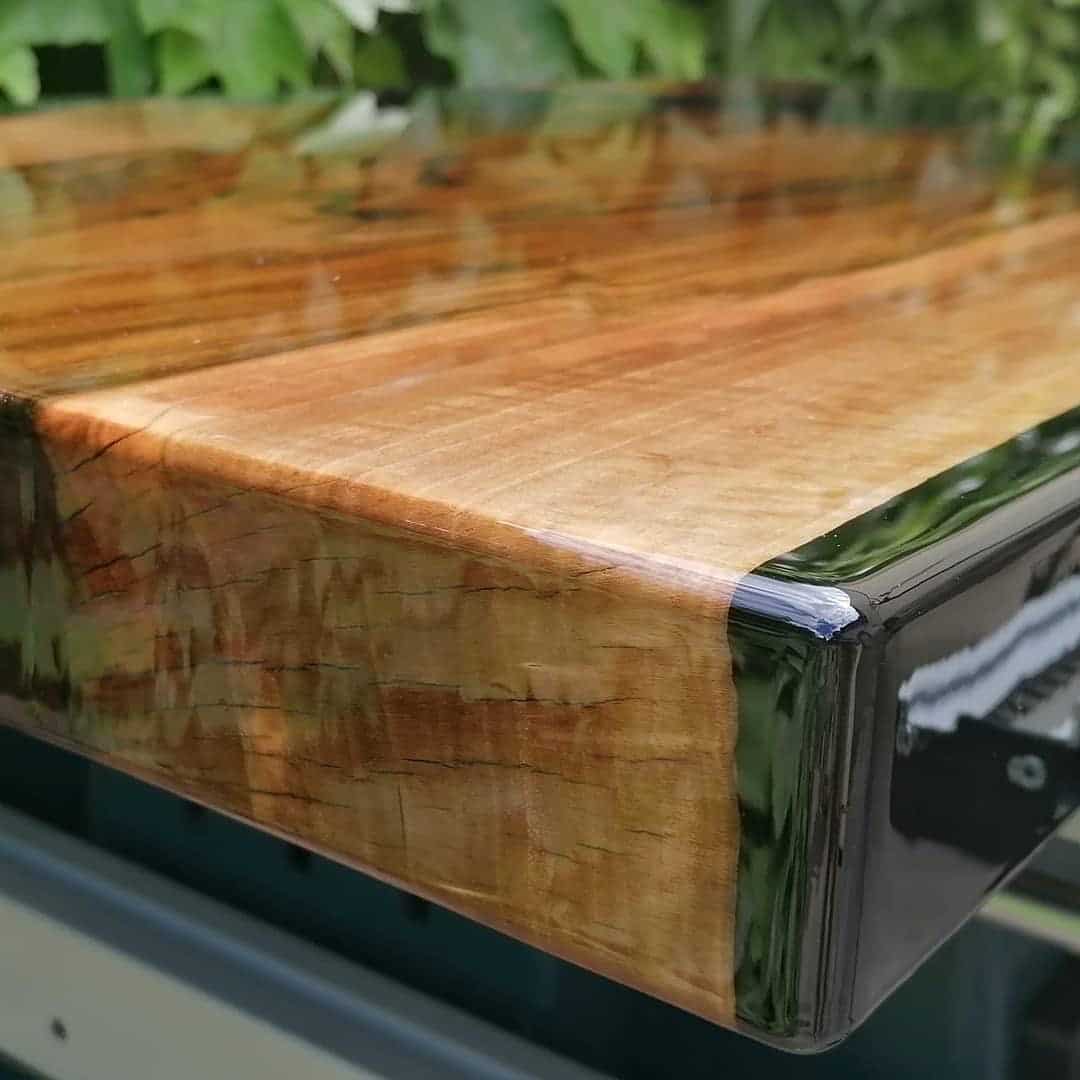
Step 4: Curing and Part Removal
Allow the resin to cure fully at room temperature, free from dust or direct sunlight. Curing times can vary—refer to your chosen resin’s recommendations and avoid moving the piece prematurely. If casting particularly large or thick parts (such as bulk custom panels), “Epoxytable 10-Ten” – Deep Pour Epoxy Resin for Tables, Up to 10cm Casting or “EpoxyTable 5-Five” – Deep Pour Epoxy Resin for Tables and Large Projects – Up to 5cm are optimal choices for depth and clarity without overheating.
After a full cure, demould your part. If needed, trim any excess resin using cutting tools and smooth edges with sandpaper.

Step 5: Assembly and Final Touches
Inspect your new resin car part thoroughly. If bonding components (such as brackets or supports), “Klebfix” – Two-Component Fast Epoxy Glue 2K, 25g Syringe offers waterproof and heat-resistant strength with a rapid cure. For visible parts, you may wish to polish or add a layer of resin for a high-gloss finish, sanding between coats if necessary for best results.
Fit the finished part to your car and check for secure attachment and optimal fit before use.
Tips, Troubleshooting, and Common Mistakes
Always double-check your resin-to-hardener ratios to prevent sticky or brittle results. Wear proper safety gear throughout, and work in manageable batches to keep air bubbles at bay. Avoid pouring resin too thick unless using the correct deep-cast formulation, which prevents overheating and yellowing.
If your part does not release from the mould easily, ensure a better application of release agent next time. Carefully sand out any minor blemishes, and remember that patience during curing is vital for durability.
Surface Finishing for Professional Results
A glossy, bubble-free finish is possible by sanding carefully between coats and using the correct polishing compounds. Allow the resin to cure fully before any finishing steps, and apply additional thin layers if needed for a flawless surface that will last on your car.

- "Carbon Resin" – Epoxy Resin for Carbon Fiber & Fiberglass CoatingPrice range: £18.85 through £35.85Epoxy resin designed for composites and technical fabrics offers smooth impregnation and a glossy finish, suitable for car resin parts.
- “Epoxytable 10-Ten” – Deep Pour Epoxy Resin for Tables, Up to 10cm CastingPrice range: £33.85 through £334.85“Epoxytable 10-Ten” is a low-viscosity epoxy resin designed for deep casting up to 10cm, suitable for creating tables with non-yellowing clarity.
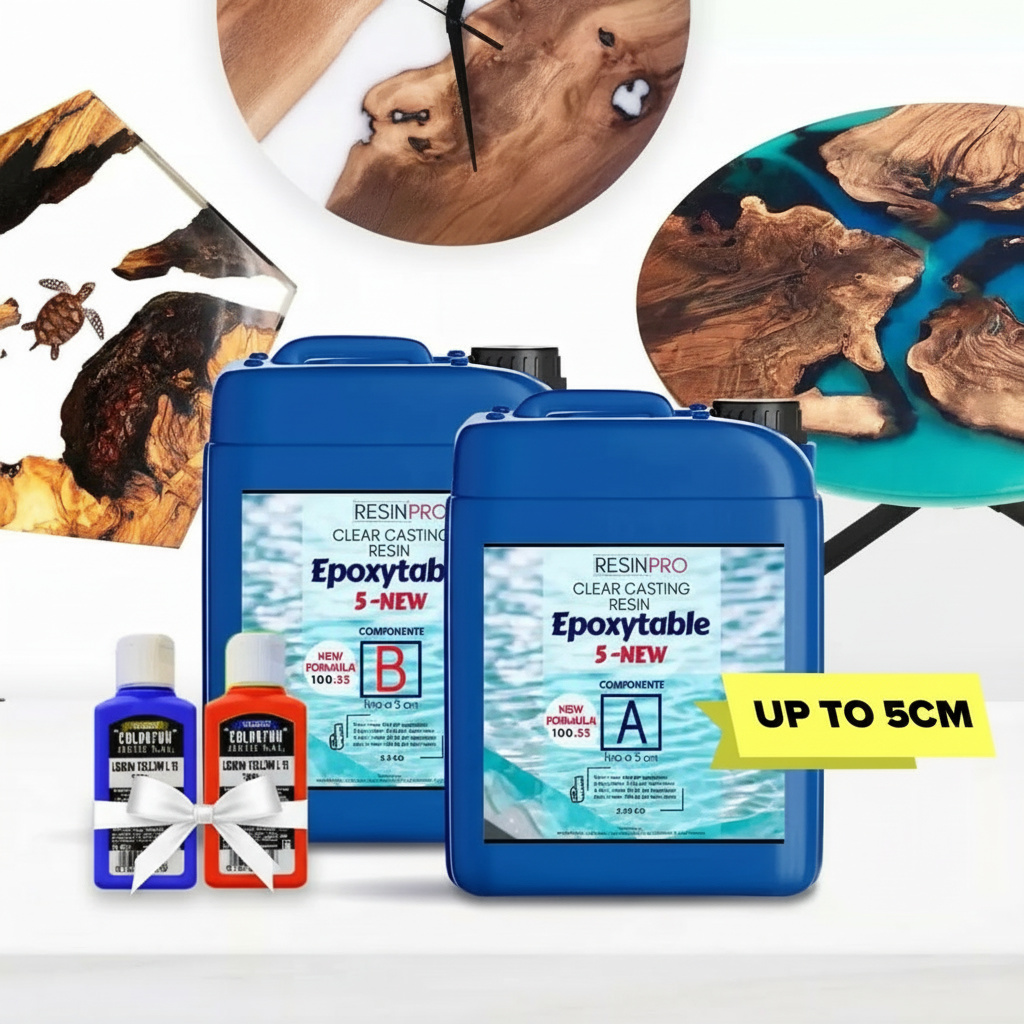 "EpoxyTable 5-Five" – Deep Pour Epoxy Resin for Tables and Large Projects – Up to 5cmPrice range: £16.85 through £1,099.85"EpoxyTable 5-Five" is designed for deep pour projects requiring up to 5cm thickness, commonly used for tables and large decorative applications.
 "Klebfix" – Two-Component Fast Epoxy Glue 2K, 25g Syringe£22.85"Klebfix" 2K epoxy glue bonds plastic, metal, glass, and wood. Designed for demanding repairs with a fast set time.
Frequently Asked Questions
Do I need carbon fibre fabric for resin car parts?
Using carbon fibre or fibreglass is highly recommended as reinforcement for most car resin parts to maximise strength and durability.
Can I make large custom resin car panels?
Yes, with the right deep pour resin and mould, you can create large panels. Opt for deep cast epoxies for thicker parts to avoid overheating.
How can I prevent bubbles in my resin car parts?
Apply resin slowly, use a low-viscosity formula, and avoid overmixing. Allow bubbles to rise and dissipate before curing for the best results.
Is epoxy resin strong enough for exterior auto use?
When used with reinforcement like carbon fibre, automotive epoxy resin offers excellent impact resistance and weather durability.
Can I use regular wood resin for car parts?
General-purpose wood resins may lack the strength and clarity needed for automotive use. Choose specialist resins for best results.
How do I bond resin parts to my car?
Use a strong, fast-setting epoxy glue suitable for plastics, metals, and composites to ensure a reliable and durable bond.
Do I need to bake or heat cure epoxy for car parts?
Most modern automotive epoxies cure fully at room temperature. Always refer to product instructions for exact curing guidelines.