 Free shipping on orders over £29,85
  Shipping Tracking!


 Google
 Facebook
How to make a resin shower tray?
Step-by-step guide for durable, water-resistant shower trays

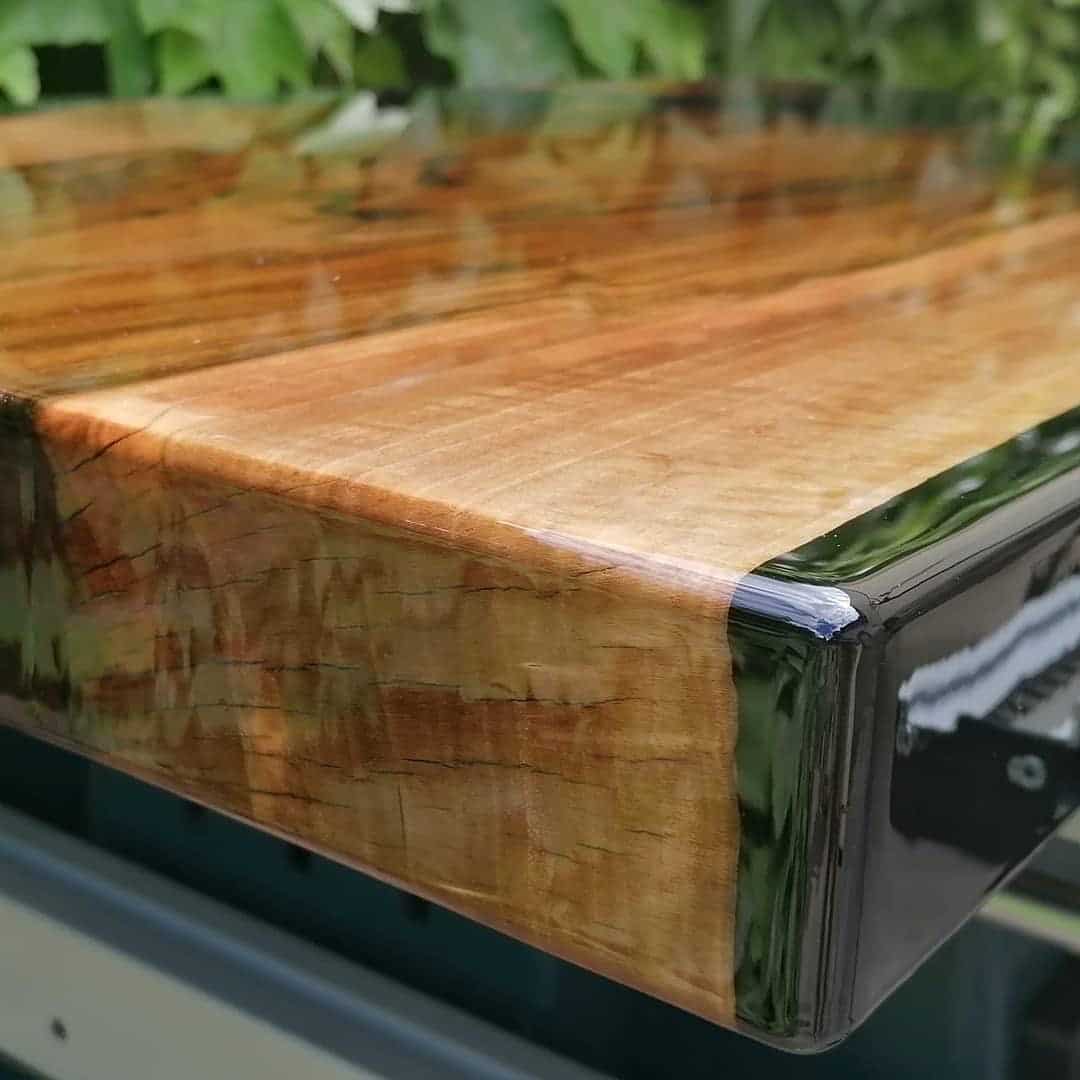
Building a resin shower tray allows you to achieve a seamless, modern and highly customisable look in your bathroom. Not only is a resin tray hard-wearing and waterproof, but it also offers versatile shapes and colours to suit any space. This guide walks you through each stage of the process for an excellent and long-lasting result.
What You’ll Need
- “Epoxytable 10-Ten” – Deep Pour Epoxy Resin for Tables, Up to 10cm Casting – for thick, robust tray bases
- “EpoxyTable 5-Five” – Deep Pour Epoxy Resin for Tables and Large Projects – Up to 5cm – for standard tray thicknesses
- “Trasparente” – Multipurpose Clear Epoxy Resin for Casting – Up to 2cm – for top coats or finer details
- Suitable mould (custom tray form in desired dimensions)
- Release agent (for easy demoulding)
- Spirit level, measuring jug and mixing sticks
- Protective gloves, apron and goggles
- Cleaning materials (for workspace and spills)
- Optional: pigments or decorative aggregates

Resin Shower Tray Project Inspiration
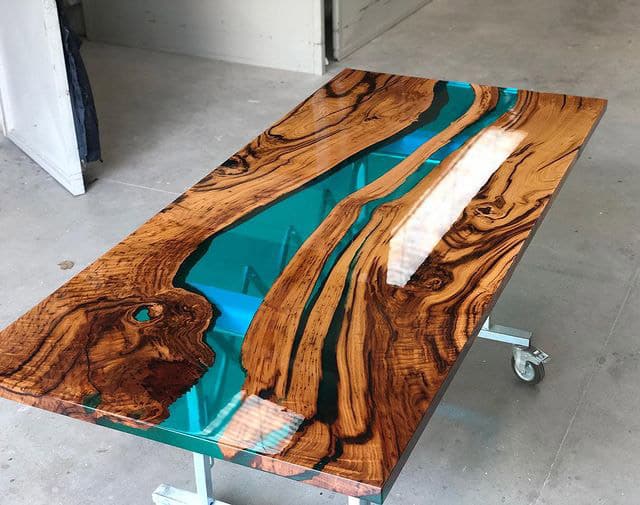
Explore stunning examples of custom-made resin shower trays in modern bathrooms. Notice the unique shapes, bespoke colours, and ultra-smooth finishes achievable using specialist epoxies. Resin trays can be moulded to any size and style, offering true flexibility in bathroom design.
Step 1: Prepare the Tray Mould and Workspace
Begin by thoroughly cleaning and assembling your mould to the required shower tray size and slope (for proper drainage). Ensure the surface is completely dry and free from dust or debris, as any imperfections will transfer into the finished tray. Apply an even coat of release agent to all internal surfaces of the mould to ensure easy removal once cured. Set up your workspace in a well-ventilated area, on a level surface, and lay down protective coverings to catch any resin drips or spills.
Always check the compatibility of your chosen resin with your mould and any reinforcement materials you plan to use, as improper pairing can lead to difficulties demoulding or surface defects.
Step 2: Mix and Tint Your Resin
Carefully measure the resin and hardener in the ratios provided by the manufacturer. Mix slowly and thoroughly to avoid introducing bubbles. For transparent or coloured finishes, now is the perfect time to add pigments or decorative chips to your resin, blending until the colour is consistent. If your tray design requires a thicker base (beyond 2cm), use a deep pour resin such as EpoxyTable 5-Five or Epoxytable 10-Ten for optimal flow and strength.
Ensure accurate measurement and mixing for best results, as errors here may lead to incomplete curing or weakened areas.
Step 3: Pour and Level the Resin
Pour your resin slowly into the mould, starting from one end and working towards the other to avoid trapping air. Use a spreader or spatula to help guide the resin into corners and maintain a consistent layer throughout. For trays over 2cm thick, consider pouring in multiple layers, allowing each to partially cure before proceeding to avoid excessive heat build-up. Deep pour products such as Epoxytable 10-Ten are specially formulated to manage deeper castings and reduce the risk of yellowing or cracking.
Pour your resin slowly to avoid trapping air, and use a spirit level to check for evenness, especially around tray slopes.
Step 4: Curing and Demoulding
Allow the resin to cure fully as stated by the manufacturer, generally between 24–72 hours depending on temperature and layer thickness. During this period, protect the tray from dust and physical disturbance to ensure a flawless finish. Once fully hardened, gently remove the tray from its mould. If creating very thick trays, allow each layer sufficient curing time before adding the next to prevent warping or surface imperfections.
Step 5: Surface Finishing and Installation Preparation
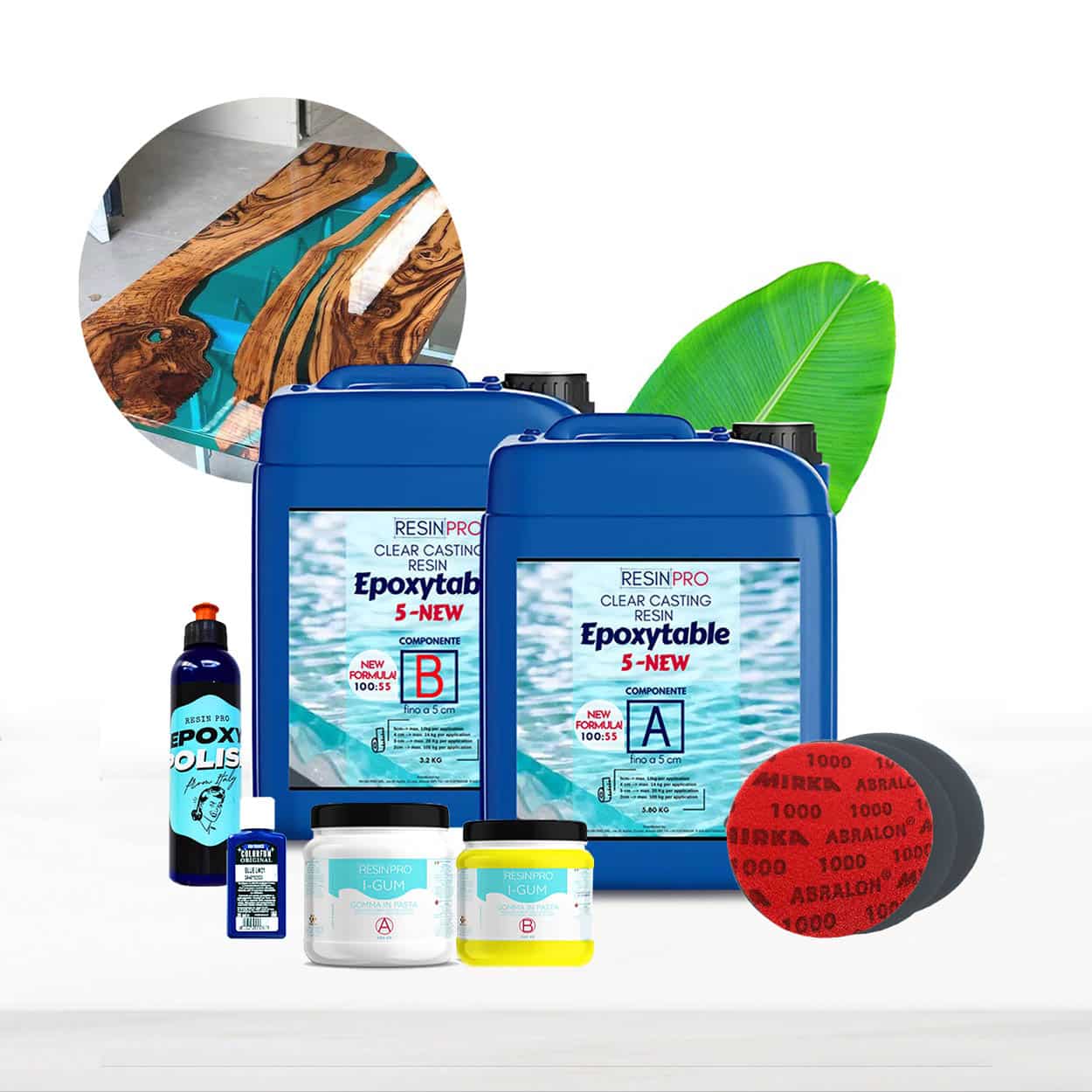
Inspect the demoulded tray and sand any sharp edges or minor imperfections using progressively finer sanding pads. For a brilliant, glass-like finish, apply a final thin coat of clear resin such as Trasparente and allow it to fully cure. Rinse and thoroughly clean the tray before dry-fitting into position in the bathroom. Check for surface flatness before installing to ensure watertightness and easy draining.
Tips, Common Mistakes and Troubleshooting
Choose a resin compatible with deep pours and regular water contact. Avoid pouring excessively thick layers unless using a suitable deep pour product—doing so can cause overheating and surface defects. Always measure and mix carefully, and keep your workspace dust-free to achieve a perfectly smooth surface. If you notice bubbles, gently pass a heat gun or torch over the surface immediately after pouring to help them escape.
Prepare the mould meticulously before pouring, as a poor seal can cause resin leaks. If you’re new to resin, practise on a small sample to test your process and finish before tackling a full shower tray project.
Expert Advice for DIY Resin Trays
Time, patience and planning are the keys to a flawless finish. Rushing the process—especially curing between layers—is the most common cause of flaws. For lasting durability, always opt for resins formulated for deep pouring and robust water resistance.

- “Epoxytable 10-Ten” – Deep Pour Epoxy Resin for Tables, Up to 10cm CastingPrice range: £33.85 through £334.85“Epoxytable 10-Ten” is designed for deep pouring up to 10cm, suitable for table projects with low exothermic reaction and UV resistance.
- "River-Table" – Complete Kit for Creating Your First Epoxy Resin TablePrice range: £188.85 through £444.85"River-Table" kit contains materials and instructions to create wooden and resin tables following the theme "How to make a resin shower tray?".
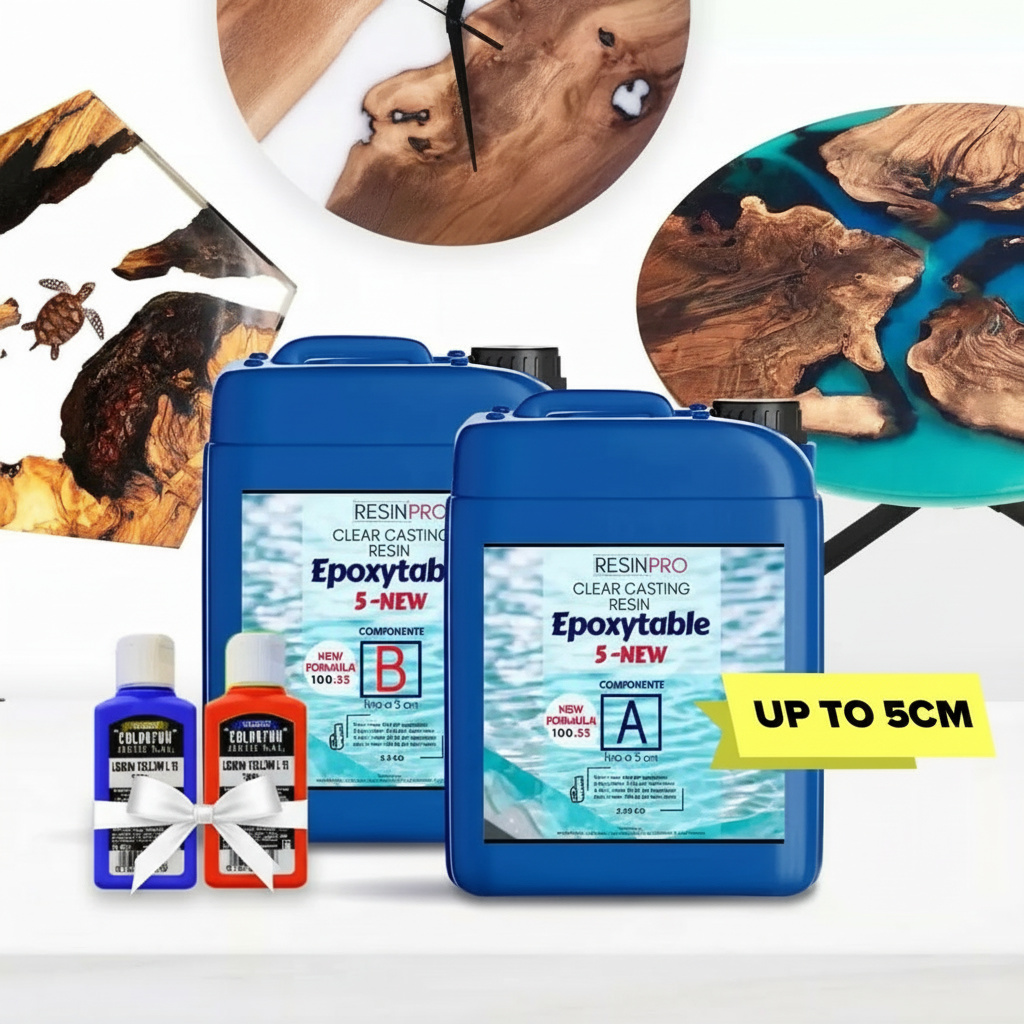 "EpoxyTable 5-Five" – Deep Pour Epoxy Resin for Tables and Large Projects – Up to 5cmPrice range: £16.85 through £1,099.85EpoxyTable 5-Five is designed for deep pour casting up to 5cm with strong UV resistance and a scratch-resistant surface.
 "Trasparente" – Multipurpose Clear Epoxy Resin for Casting – Up to 2cmPrice range: £8.45 through £948.85An ultra-clear epoxy resin delivering a glossy, self-levelling finish up to 2 cm thickness for crafting and woodworking projects.
Frequently Asked Questions
Which resin is best for creating thick resin shower trays?
Deep pour resins such as EpoxyTable 5-Five or Epoxytable 10-Ten are ideal for projects with tray thickness exceeding 2cm.
How can I prevent yellowing in my resin shower tray?
Use resins with strong UV filters specifically designed to prevent yellowing over time, and avoid overheating during curing.
Can standard epoxy resins be used for shower trays?
Only if they're certified for water resistance and durability; deep pour epoxies are preferred for best results in wet environments.
Do I need to pour my resin shower tray in layers?
For trays thicker than resin’s recommended maximum pour, cast in layers, allowing each to cure fully before the next.
How should I prepare the mould and surface before pouring resin?
Clean thoroughly, apply release agent, and ensure the tray has proper slope for drainage before starting the resin work.
How do I achieve a smooth, flawless surface on the tray?
Work in a dust-free area, mix slowly, de-bubble after pouring, and sand/polish the cured tray for a mirror-like finish.