 Free shipping on orders over £29,85
  Shipping Tracking!


 Google
 Facebook
How to Make a Resin Table
Step-by-step guide for beautiful, long-lasting resin tables.
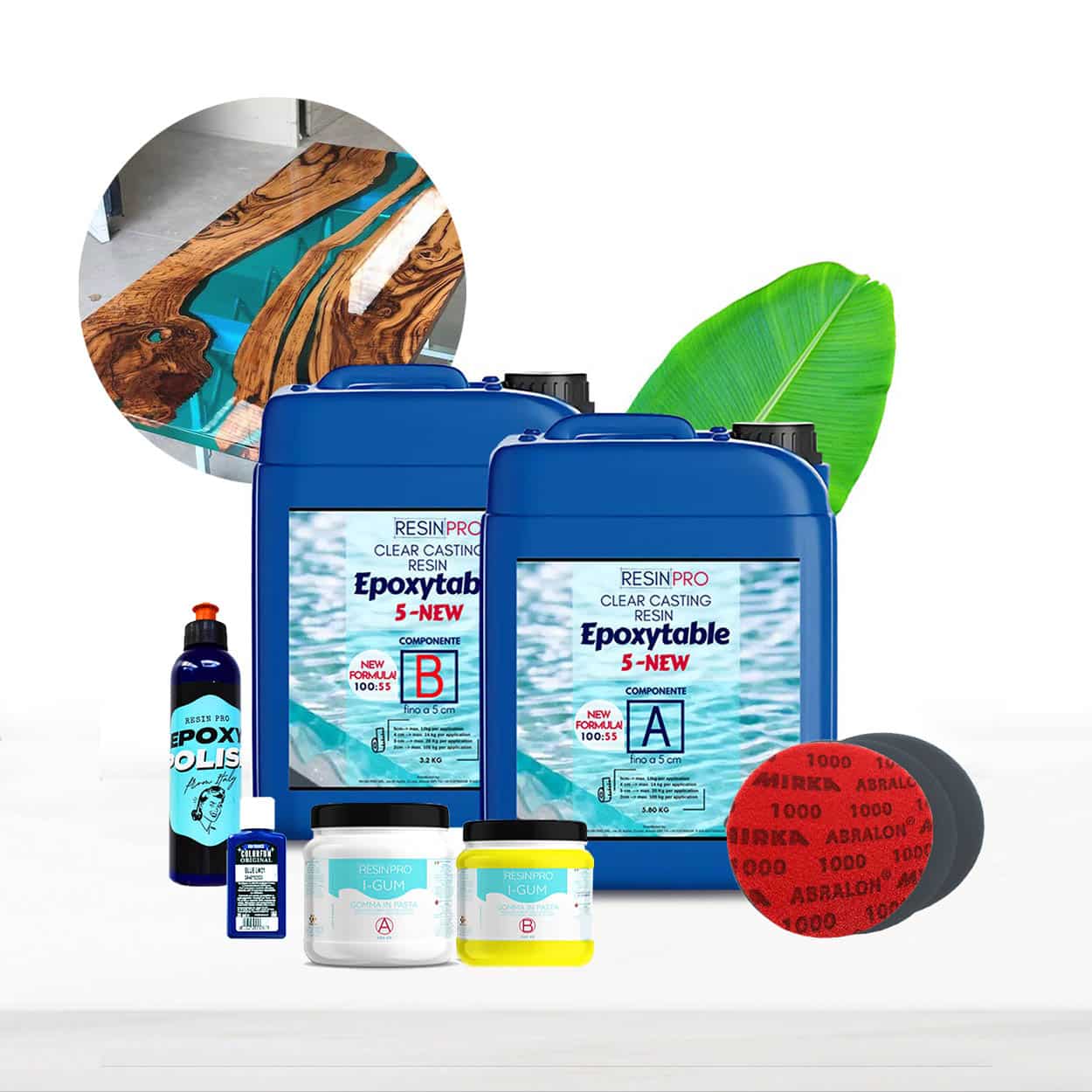
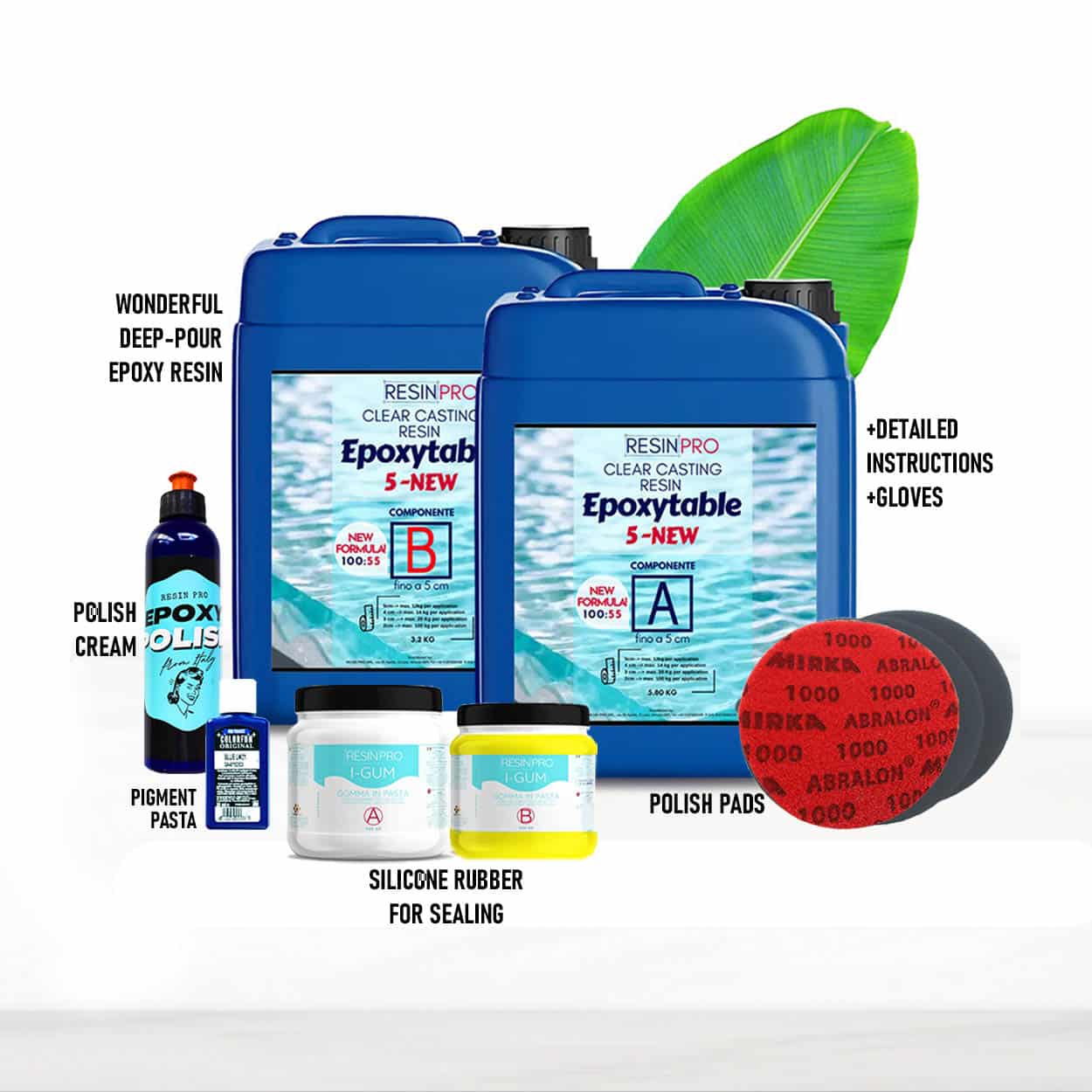
Resin tables bring together the natural beauty of wood with the modern allure of crystal-clear resin, creating a striking centrepiece for any room. This guide walks you through every essential step, ensuring you achieve impressive results whether you’re a beginner or looking to perfect your technique.
What You’ll Need
- “River-Table” – Complete Kit for Creating Your First Epoxy Resin Table: Ideal for those who want everything in one box, including pigments and polishing tools.
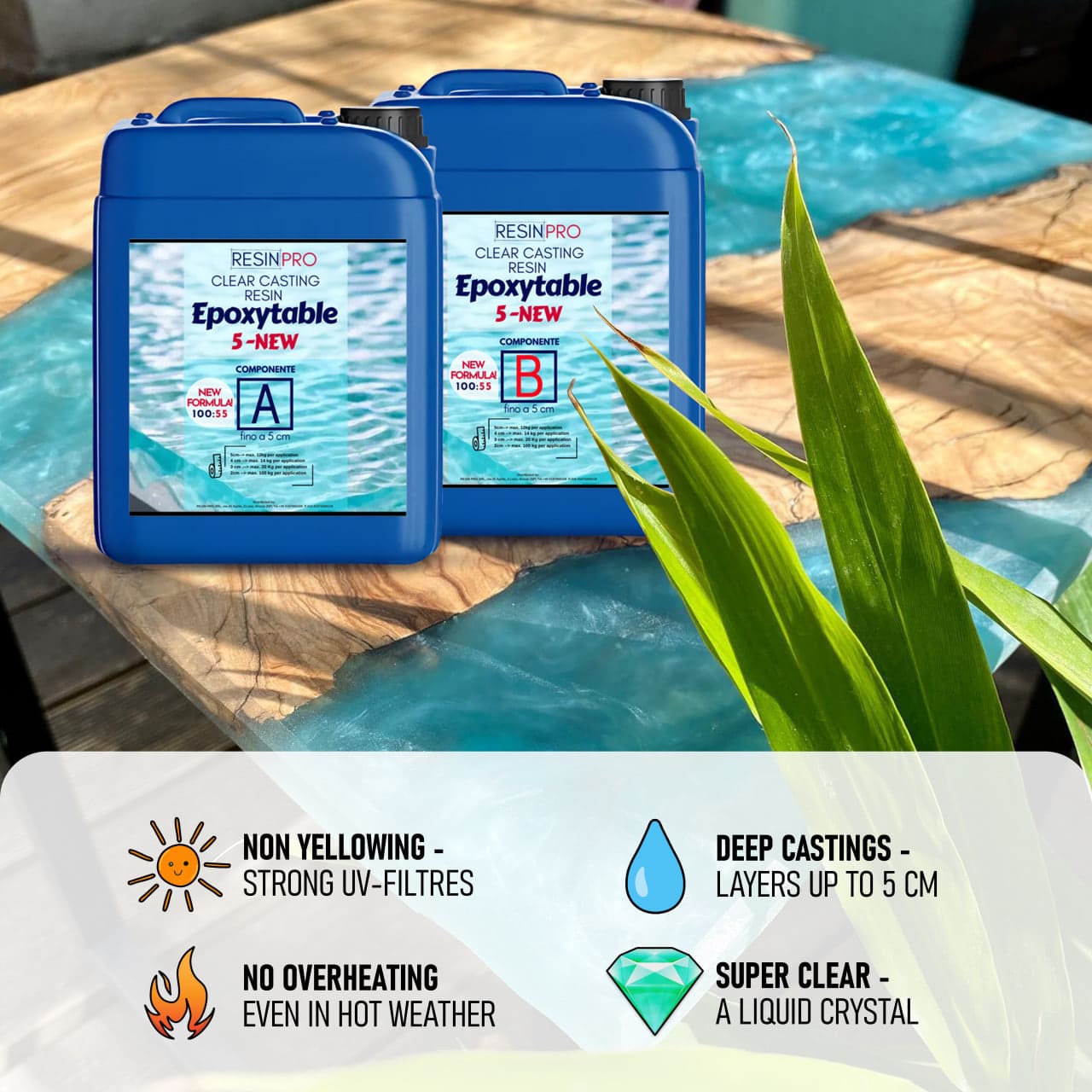
- “EpoxyTable 5-Five” – Deep Pour Epoxy Resin for Tables and Large Projects – Up to 5cm: Reliable resin for thicker pours and river-style tables, sold in a range of quantities.
- “Epoxytable 10-Ten” – Deep Pour Epoxy Resin for Tables, Up to 10cm Casting: For especially deep pours or extra-large projects.
- MDF Board Base for Epoxy Resin Table and Art Projects: A sturdy foundation for your table build.
- Wood of your choice (e.g., oak, walnut)
- Mixing containers, stirring sticks, a spirit level
- Masking tape, safety gloves, goggles, dust mask
- Sandpaper (various grits), finishing oil or polish

Essential Tools and Workspace Setup
Gather all your resin, pigments, bases and safety gear before starting. Having a clear, organised workspace helps avoid mistakes and ensures a smoother process for your resin table project.
Step 1: Prepare Your Workspace and Table Base
Choose a suitable workspace with good ventilation, minimal dust, and a temperature between 18–25°C. Lay down protective sheeting, and keep all your materials to hand to streamline the process.
Your table base will determine the outcome and stability of your project. If you want a ready-made, flat surface, use the MDF Board Base for Epoxy Resin Table and Art Projects as your solid foundation. Otherwise, select a stable surface and check for level using a spirit level—critical for an even pour.
Plan your design ahead of time — sketch your resin ‘river’ or inlay and pre-fit any wood slabs or decorative items for best results.
Step 2: Create and Seal Your Mould
Use MDF offcuts or melamine boards to build a formwork (a dam or barrier) around your intended table shape. Ensure it’s larger than your finished piece to allow overflow, and line with release tape if possible to ensure the cured resin doesn’t stick.
Seal all gaps and edges thoroughly with silicone or a suitable sealant. This prevents resin leaks during pouring—a common cause of wasted material or sticky edges. Secure all sides tightly, clamp down your wooden inserts, and double-check for any places resin could escape.
Step 3: Mix and Pour the Resin
Measure your resin and hardener according to the manufacturer’s ratio, and wear gloves and a dust mask for protection. Use a complete kit for resin tables if you want pigments or easy access to required tools. Mix slowly to limit air bubbles, stirring for at least three minutes, then allow a short rest for bubbles to rise.
For projects up to 5cm thickness, EpoxyTable 5-Five is a strong choice. For especially deep pours up to 10cm, consider Epoxytable 10-Ten. Pour the resin in stages if necessary—exceeding recommended single-layer thickness can cause excessive heat (exotherm) and cracking.
Pour gently to avoid disturbing your base or wood. Use a heat gun or blowtorch briefly to burst bubbles on the surface after pouring.

Step 4: Allow to Cure and Demould
Allow adequate curing time as specified on your chosen resin—this can be anywhere from 24 to 72 hours. Maintain consistent temperature and keep dust away (covering with a tented sheet helps).
When cured, deconstruct your mould carefully. Remove any tape residue. If you’ve used a starter kit, you’ll have everything on hand for the next finishing steps.

Step 5: Sand, Finish, and Polish
Start sanding your table with coarse-grit, progressing to fine. Sand wet for best clarity and minimal scratching. If your kit includes a polishing system, like the one in the River-Table kit, follow the step-by-step system—pad by pad—for a professional polish.
Clean away dust and apply a suitable finishing oil or polish to the wood borders. Let all treatments dry fully before using the table.
Tips and Troubleshooting for Resin Table Success
Polish for a flawless finish— patience in sanding and polishing delivers a glass-like appearance. Vacuum sanding dust before each grit change.
Watch for air bubbles and dust: Mix slowly and apply heat if needed, but avoid burning the resin. Keep your workspace covered during curing whenever possible.
Always wear safety gear—epoxy can irritate skin and lungs. Wear gloves, eye protection, and a dust mask throughout every stage.
Finishing Touches: Sanding and Polishing
Professional sanding and polishing are what set outstanding resin tables apart. Use each grit in order and clean thoroughly between steps for the clearest, smoothest result.

- "River-Table" – Complete Kit for Creating Your First Epoxy Resin TablePrice range: £188.85 through £444.85"River-Table" kit includes resin, pigments, silicone sealant and polishing tools with guidance for creating resin tables.
- "EpoxyTable 5-Five" – Deep Pour Epoxy Resin for Tables and Large Projects – Up to 5cmPrice range: £16.85 through £1,099.85EpoxyTable 5-Five is designed for deep pouring applications including tables and large projects, with clear, UV-resistant, and scratch-resistant…
 “Epoxytable 10-Ten” – Deep Pour Epoxy Resin for Tables, Up to 10cm CastingPrice range: £33.85 through £334.85“Epoxytable 10-Ten” is an epoxy resin designed for deep pours up to 10cm, suitable for table projects and large artistic castings.
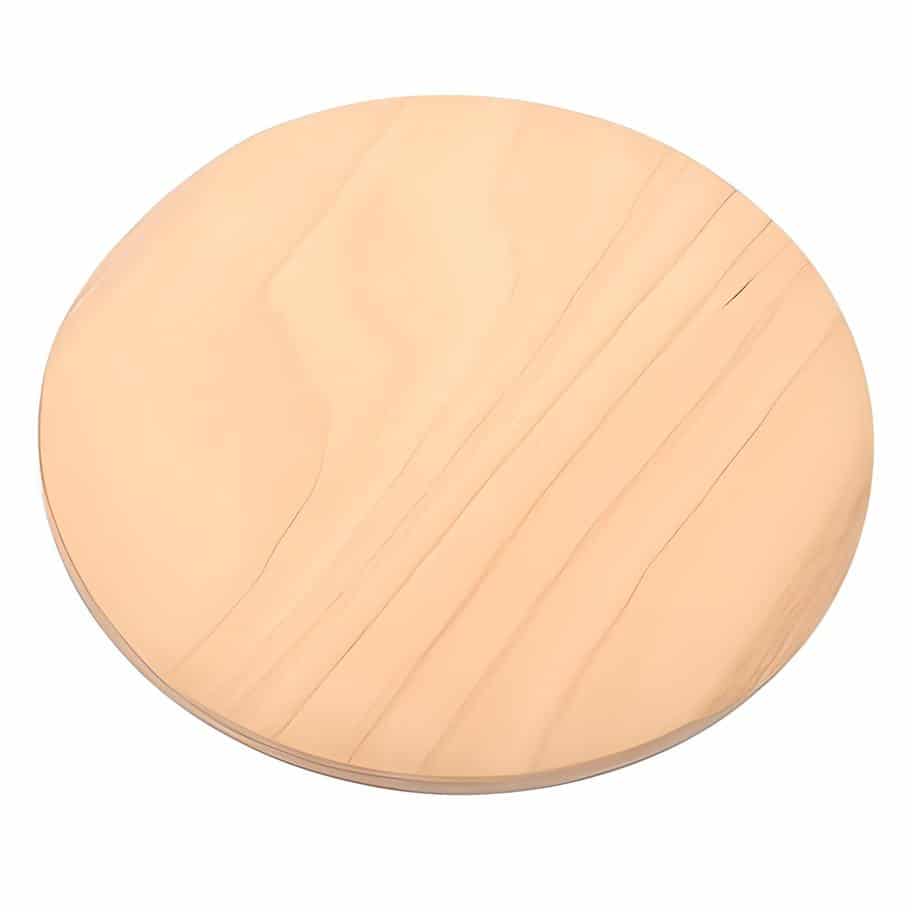 MDF Board Base for Epoxy Resin Table and Art ProjectsOriginal price was: £25.00.£17.85Current price is: £17.85.A stable MDF board designed for resin tables and art projects, suitable for artists and beginners.
Frequently Asked Questions
Which resin is recommended for thick casting in tables?
For pours up to 5cm use EpoxyTable 5-Five; for deeper pours up to 10cm, Epoxytable 10-Ten is suitable.
Are there resin table kits for beginners?
Yes, the River-Table Complete Kit includes step-by-step instructions and all essential materials for beginners.
How can I minimise bubbles when making a resin table?
Mix your resin slowly, use a heat gun briefly after pouring, and pour in layers if needed to reduce bubbles.
What is the best base for epoxy resin tables?
A sturdy MDF board is widely used for supporting resin tables due to its stability and ease of preparation.
How should I polish a resin tabletop for professional shine?
Progress through sandpaper grits, clean between steps, and use a polishing kit if available for a glass-like finish.
Are resin tables suitable for everyday use?
If properly cured and finished, resin tables are durable and suitable for everyday activities like dining or displaying items.