 Free shipping on orders over £29,85
  Shipping Tracking!


 Google
 Facebook
← Back to how to make a mosaic table with a resin base
Preventing bubbles is crucial for a flawless resin mosaic table. With the right preparation and technique, you can achieve a smooth, professional finish on your project.
Careful Mixing Makes a Difference
Bubbles often form during the mixing process. To reduce them, blend your resin and hardener slowly, taking care not to whip air into the mixture. Scrape the sides and bottom of your mixing container to ensure a consistent blend.
Pouring Techniques and Using a Heat Gun
Once your resin is mixed, pour it gently onto your mosaic base. For best results, use a heat gun on the surface after pouring—this helps bring bubbles to the top, where they can easily pop. Work in a well-ventilated area and keep the heat gun moving to avoid overheating any section.
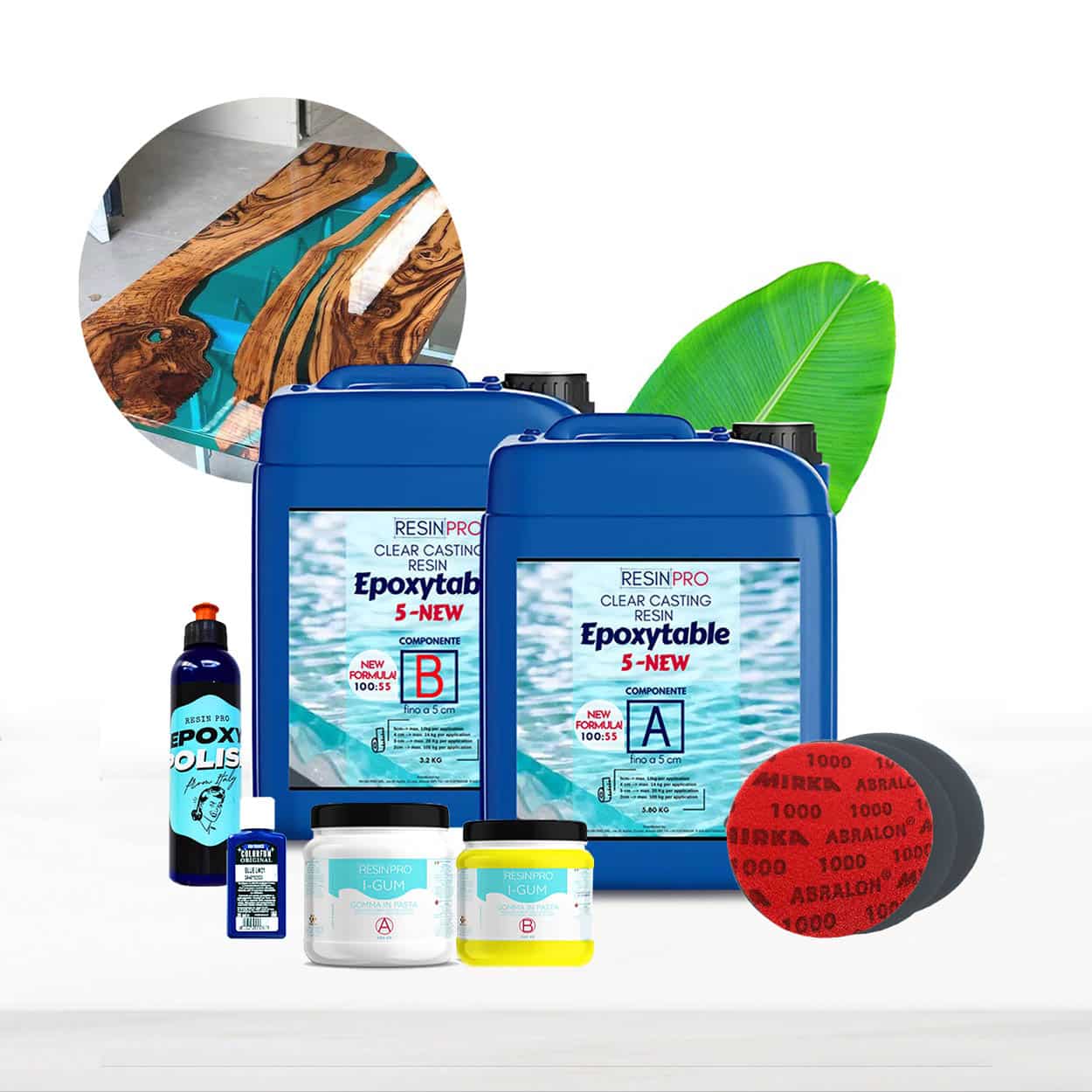
Products such as the “River-Table” Complete Kit include detailed instructions that guide you through both mixing and pouring, making it easier to avoid common pitfalls for beginners.
When This Matters Most
- When your mosaic design features intricate details or glass tiles where clarity is important.
- If you’re aiming for a thick resin layer, as deeper pours can trap more bubbles.
- When showcasing colourful pigments or embedded objects—bubbles can distract from your creative vision.
Related products
Related guides
Taking a little extra care during mixing and pouring will help your resin mosaic table turn out beautifully bubble-free. For more detailed guidance on creating a mosaic table with a resin base, visit our complete step-by-step guide.