 Free shipping on orders over £29,85
  Shipping Tracking!


 Google
 Facebook
← Back to How to make resin stamps
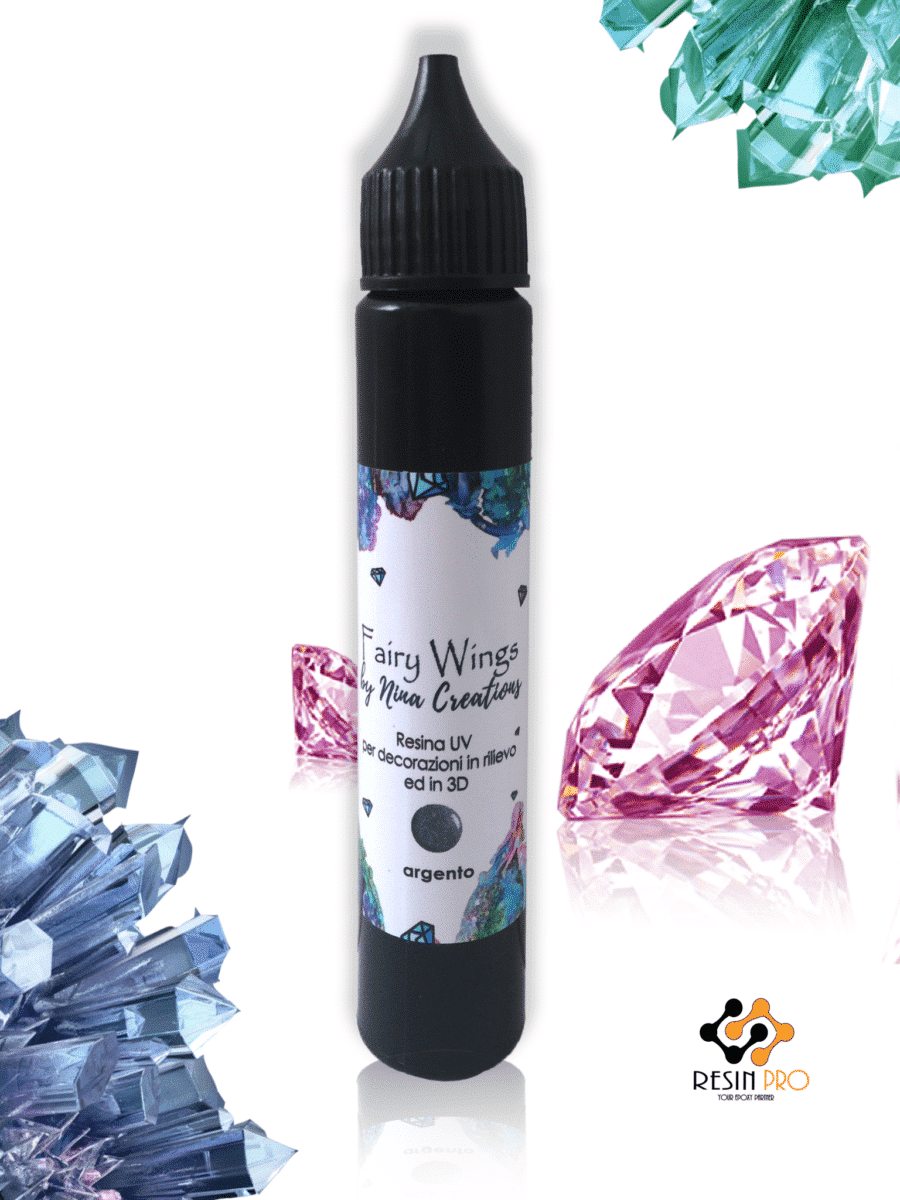
For crafters looking to showcase fine lines and intricate textures, selecting the ideal resin is key to achieving sharp, detailed resin stamps. Different projects may call for varied resin properties, from fast curing to crystal-clear casting.
UV Resin for Intricate Detail
When high precision and speed are crucial, UV resin such as “Fairy Wings” stands out. It cures rapidly under UV light, often within minutes, and is perfect for layering in thin applications. This allows you to build up raised, crisp details without merging or spreading, making it ideal for complex stamp designs or decorative embellishments on polymer clay. Its one-component formula is especially beginner friendly—no mixing required.
Epoxy Resin: Versatile and Clear
For larger or more varied projects, epoxy resin kits offer excellent clarity and versatility. A two-part epoxy like the “Evershine Collection” provides a glass-like finish and supports detailed inclusions thanks to its slow, steady curing which minimises bubbles. Epoxy resin is a great choice for crafting personalised stamps or trying out embedded designs using letter moulds or botanicals included in some kits.
Practical Guidance for Crisp Results
- Choose a quality mould: Use silicone moulds with highly polished surfaces, like the Diamond Crystal Shaped Silicone Mould, to enhance detail and simplify demoulding.
- Work in layers: Apply resin in thin layers for best relief and curing, especially with UV types.
- Minimise bubbles: For epoxy, mix slowly and pour carefully to avoid air pockets that could obscure fine lines.
When Detail Matters Most
If your project prioritises fine lines, raised motifs, or is time-sensitive, UV resin is the top pick. For larger items, pieces requiring embedded art, or beginners wanting a forgiving product, epoxy makes resin stamp creation accessible to all skill levels.
Related products
Related guides
Choosing between UV and epoxy resin enables you to tailor every stamp project for optimal precision and creativity. For more guidance on tools and techniques, see our complete guide to making resin stamps.