 Free shipping on orders over £29,85
  Shipping Tracking!


 Google
 Facebook
← Back to How to make resin stamps
Getting the curing time right is crucial for perfecting resin stamps, ensuring they retain crisp detail and durability. The right timing depends on the type of resin you use—here’s how to plan your creative process for the best results.
Curing Times: UV Resin vs Epoxy Resin
UV resins are popular for their speed and convenience. When exposed to a suitable UV lamp, thin layers—such as those used in intricate stamps—typically cure within 3 to 5 minutes. This makes them ideal for rapid projects or when layering details is required.
Epoxy resin, on the other hand, requires a good deal more patience. Conventional formulas generally take between 12 to 24 hours to fully cure after being poured into a stamp mould. Demoulding too soon can lead to distortion, so it’s best to err on the side of caution for detailed work.
Demoulding Tips for the Best Results
- For UV resin, check the surface gently with a toothpick after curing—if it feels tack-free, it’s ready to demould.
- With epoxy resin, leave your piece undisturbed for at least 12 hours. If the weather is cool or humid, allow additional time up to a full day for a complete set.
- Always use moulds designed for resin to avoid sticking or misshaping—something like the “Diamond” – Crystal Shaped Silicone Mould supports easy release and clean finishes.
When Quick Curing Matters
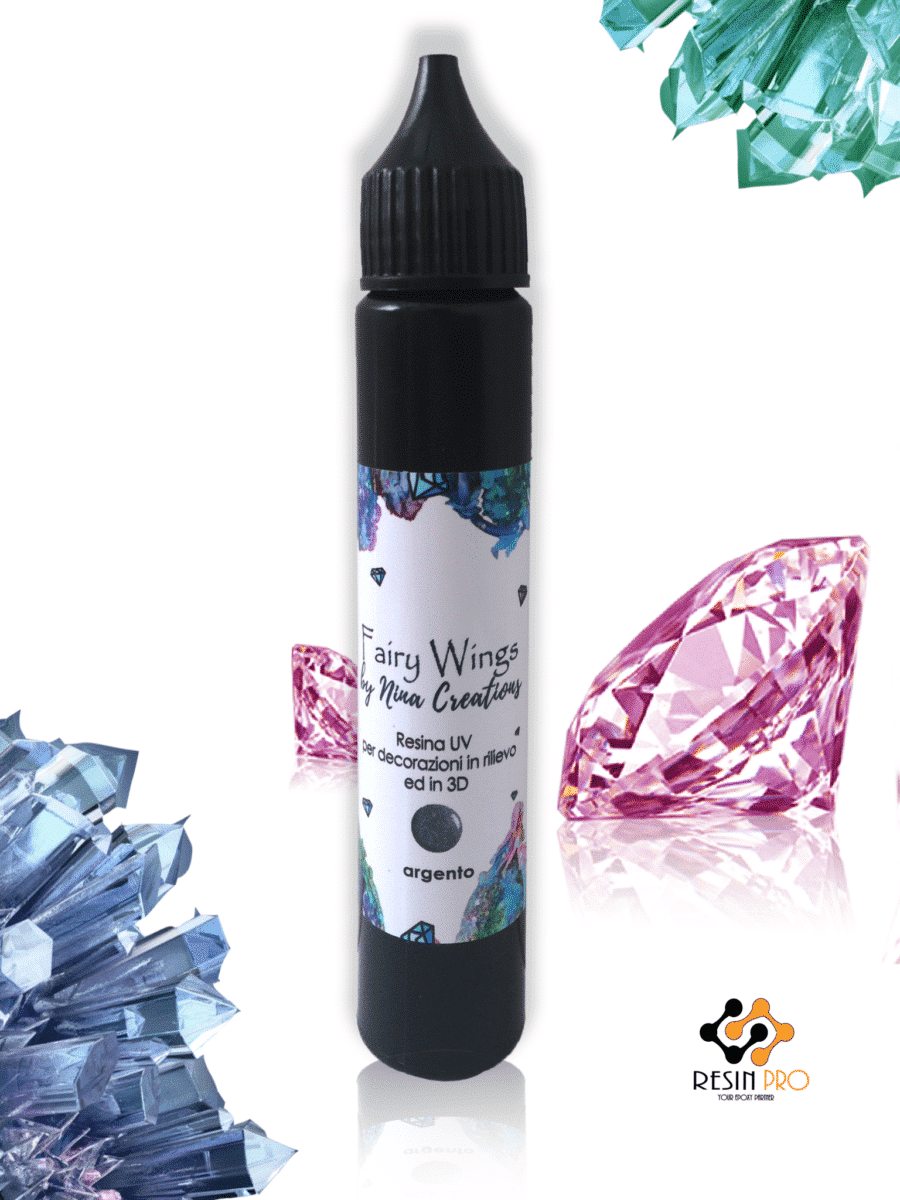
If you’re working in small batches, layering frequent details, or need fast project turnaround, UV resin is especially useful. Products such as the “Fairy Wings” UV Resin blend detail and speed, making them favoured for delicate stamp reliefs.
Related products
Related guides
Allowing resin to cure fully before demoulding preserves both the shape and detail of your stamps. For more tips on mastering this craft, visit our main guide on how to make resin stamps.