 Free shipping on orders over £29,85
  Shipping Tracking!


 Google
 Facebook
← Back to How to make resin stamps
Discovering that your resin stamp has turned out soft or sticky can be frustrating. Fortunately, a few simple checks and remedies can help you troubleshoot and achieve a perfectly cured stamp every time.
Common Causes of Tacky Resin Stamps
Resin stamps may remain soft or sticky for a few reasons. Insufficient curing time is a typical culprit—resins require a certain period to fully harden, whether cured by UV light or at room temperature. Additionally, inaccurate mixing of resin and hardener, or uneven exposure to UV light in photopolymer resin, can result in tackiness.
To avoid these pitfalls, always follow the specific curing instructions provided with your resin, such as mixing ratios and exposure times.
Practical Solutions for Sticky Resin
If your resin stamp feels tacky, first allow it extra curing time. Some UV resins may need further exposure, or you may need to place it under a UV lamp for an extra few minutes. For two-part epoxy resins, ensure both parts were thoroughly combined, scraping the sides and bottom of your mixing vessel as you stir.
When starting out, a kit like the “Evershine Collection” Epoxy Resin Kit offers full instructions and the supplies to help you achieve accurate results and avoid common errors.
When This Matters Most
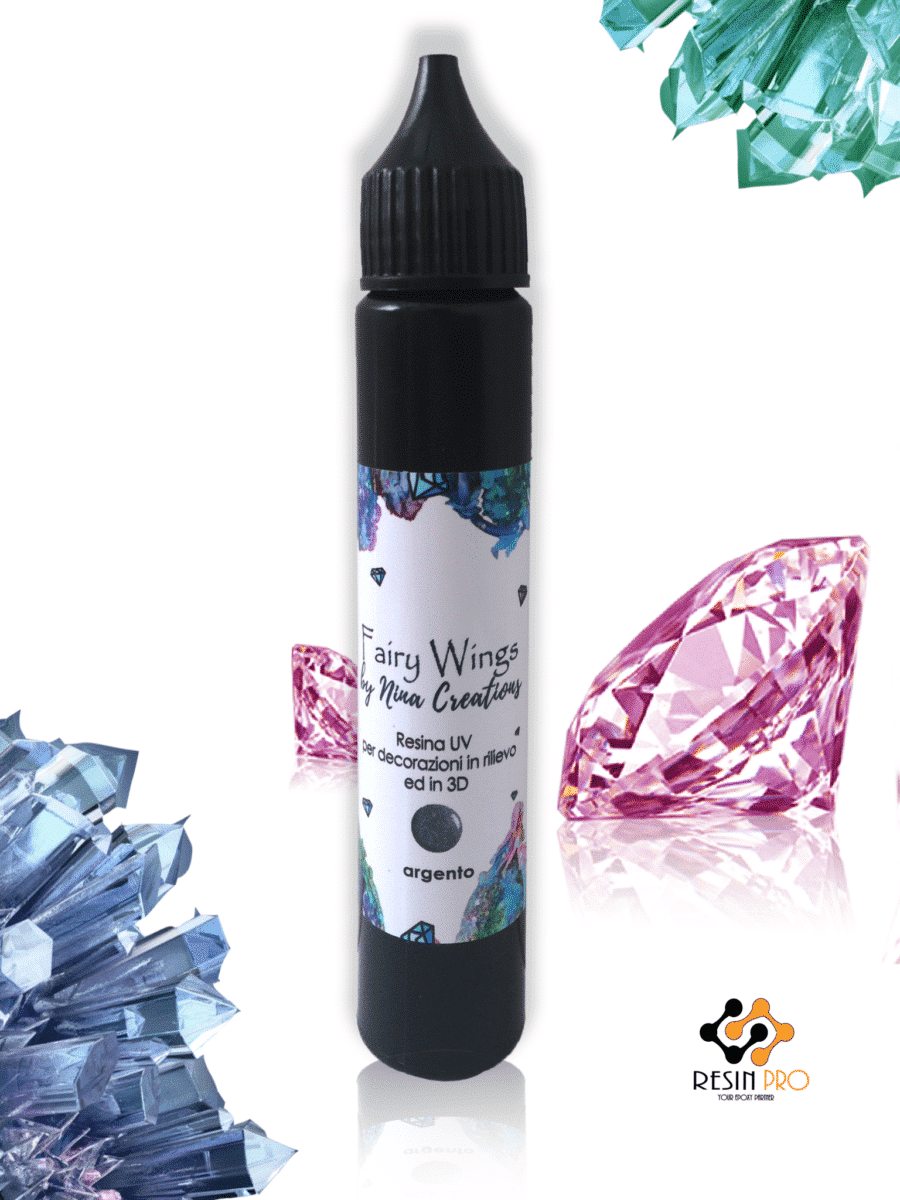
Tacky finishes compromise stamp detail and durability, which is particularly crucial for projects needing crisp impressions, such as decorative 3D patterns or embellishments. Using a suitable UV resin—like the Fairy Wings UV Resin, designed for thin, detailed reliefs—can improve both curing and final results.
Related products
Related guides
Paying close attention to resin mixing and curing ensures strong, detailed stamps for your next craft project. For more in-depth resin stamp guidance, explore the full advice at How to make resin stamps.