 Free shipping on orders over £29,85
  Shipping Tracking!


 Google
 Facebook
← Back to How do you make a resin sink?
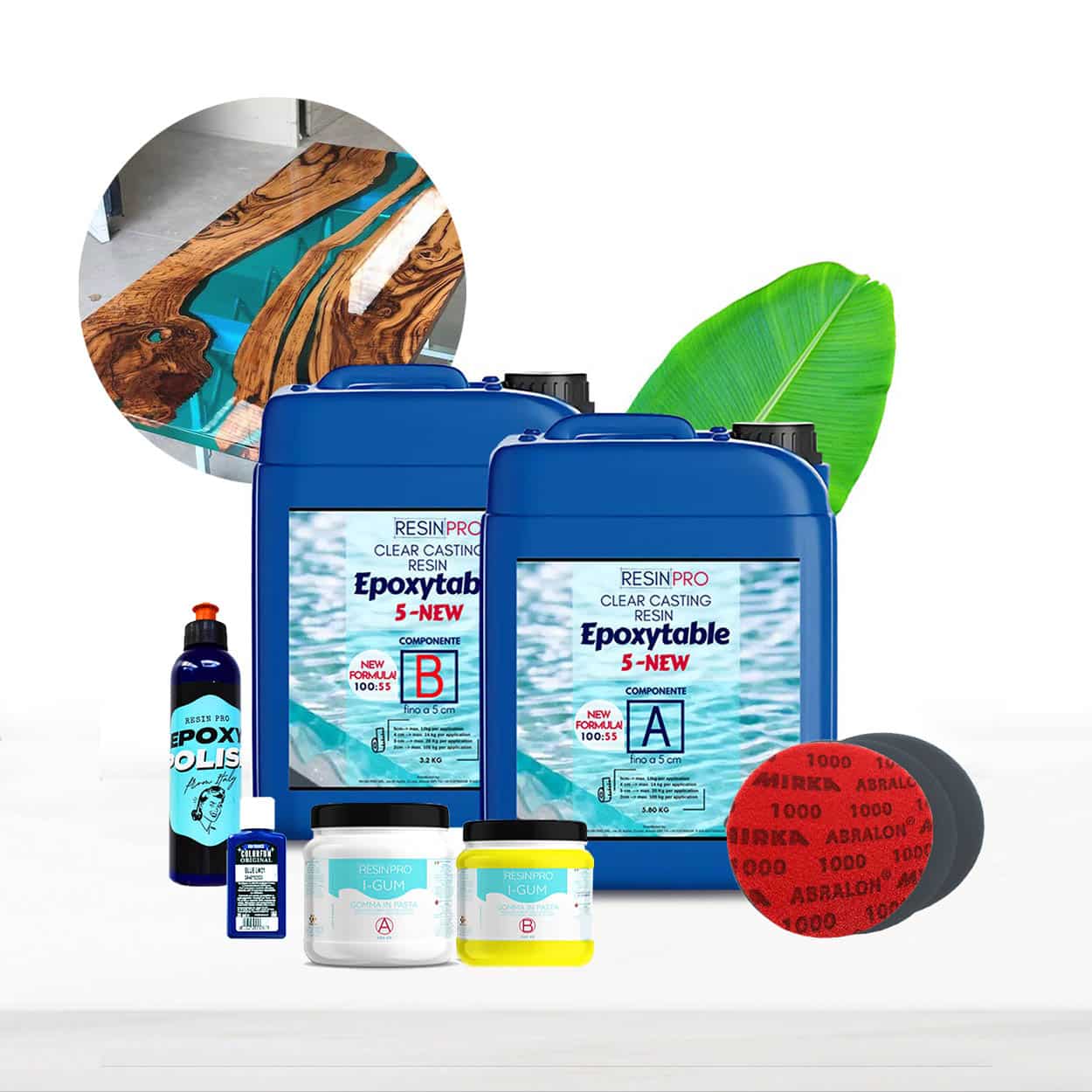
Getting a resin sink’s surface glossy and smooth is all about careful finishing. With the right sanding and polishing approach, you can achieve a flawless, attractive final result.
Step-by-Step: Sanding Resin Sink Surfaces
Begin sanding the cured resin sink by using coarser grits, such as 360 or 500, to remove any surface irregularities and level out imperfections. Progress gradually through finer grades—working up to 1000, 2000 and ultimately up to 4000 grit. Always sand in circular motions and keep the area clean to avoid scratching. Using water while sanding helps reduce dust and minimises heat, making sanding smoother and safer for both the surface and the user.
Polishing for a Lasting Shine
After fine sanding, move on to polishing. Apply a suitable resin polishing cream—not an abrasive cleaner—with a soft pad or microfibre cloth. Work in small sections, buffing until the gloss appears even. Kits like the “River-Table” Complete Kit include cream and pads tailored for resin, making the process easier for beginners and professionals alike. Always read your resin or kit instructions, as compatible compounds yield the best finish and protection.
When Polishing Precision Matters
If your sink will be exposed to heavy use or you want seamless clarity, extra care in the finishing stages is essential. Taking time with each sanding step and not skipping grits helps avoid visible scratches or dull spots. This attention to detail matters whether you’re creating a unique basin for a bathroom or a statement kitchen feature.
Related products
Related guides
Finishing and polishing are the final, crucial steps in making a bespoke resin sink. For more guidance on crafting your own sink from scratch, return to our full resin sink making guide.