 Free shipping on orders over £29,85
  Shipping Tracking!


 Google
 Facebook
how to make a resin countertop
Step-by-step guidance for stunning, lasting resin countertops
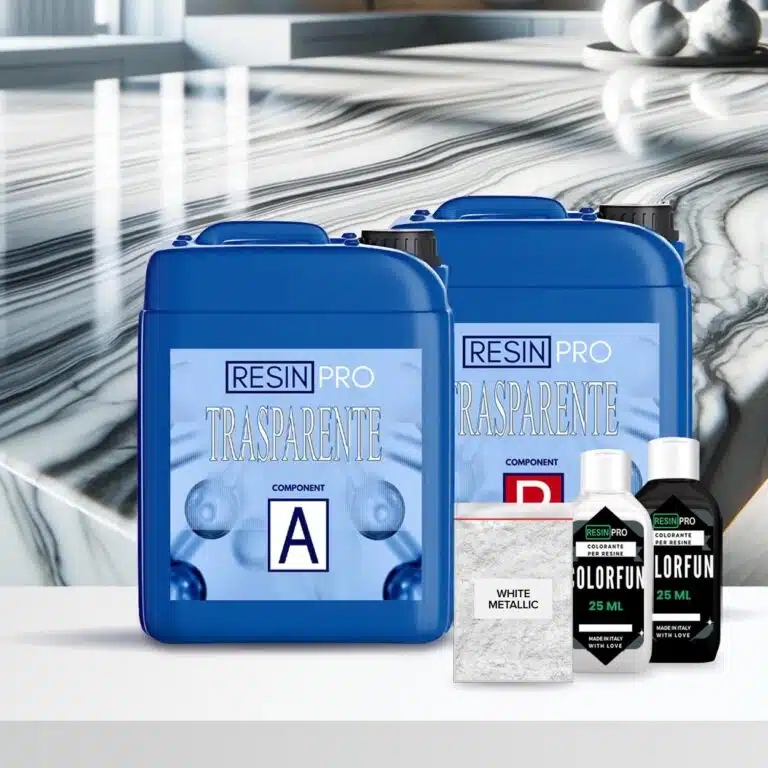
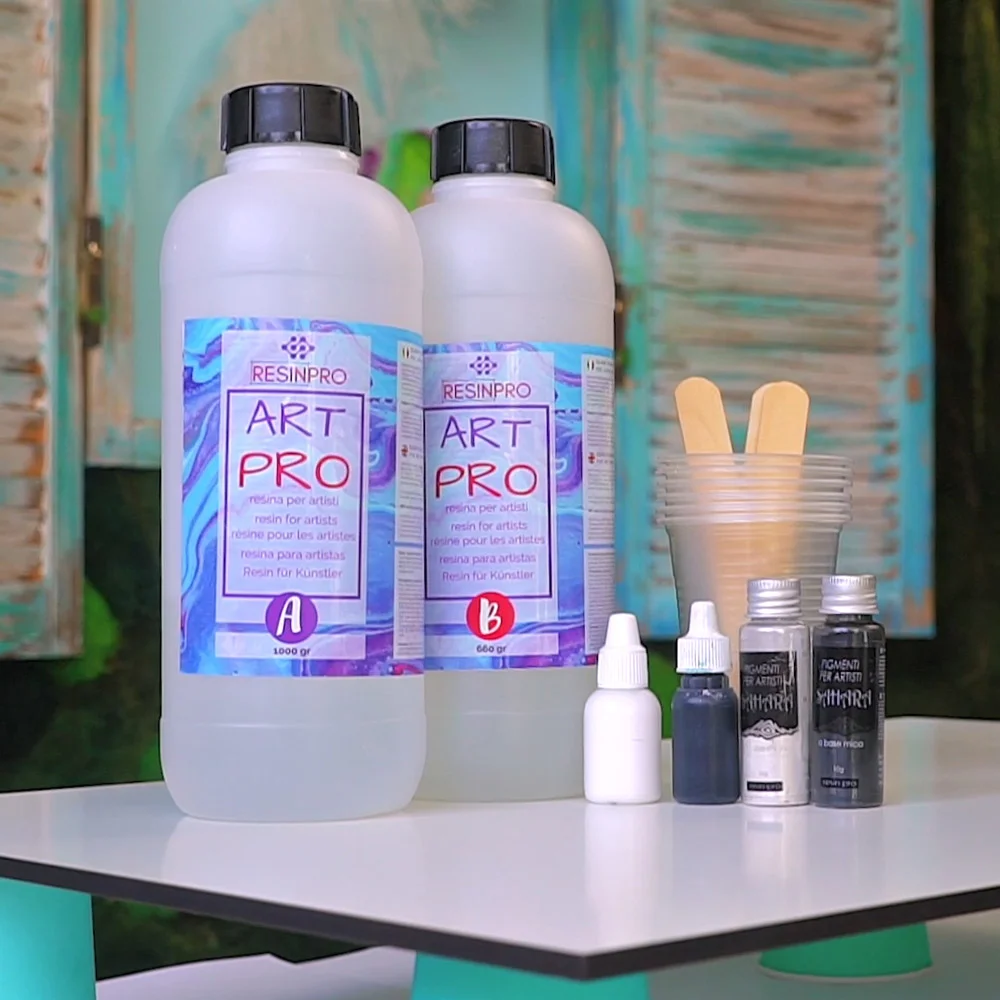
Transforming an ordinary surface into a seamless, high-gloss resin countertop opens up a world of creative and practical possibilities. Whether renovating a kitchen, upcycling an old worktop, or designing a unique feature for your bathroom, this guide will walk you through the full process. From essential preparation and resin mixing to the finishing touches, you’ll learn how to achieve a professional-level, durable countertop at home.
What You’ll Need
- “Stone Effect Collection” – Marble Epoxy Resin Countertop Kit: Professional kit designed for achieving authentic marble effects and a durable finish on kitchen or bathroom countertops.
- “EpoxyTable 5-Five” – Deep Pour Epoxy Resin for Tables and Large Projects – Up to 5cm: Suitable epoxy system for projects requiring deeper casting, such as thicker countertops or overlays.
- Sandpaper (various grits, from 120 to 1000+)
- Mixing containers and sticks
- Protective gloves, mask, and eyewear
- Painter’s tape and plastic sheeting for masking
- Spirit level and measuring tape
- Heat gun or small torch for bubble removal
- Cleaning cloths and isopropyl alcohol
- Optional: Pigments or dyes (included in the Stone Effect Kit for marble or custom colours)
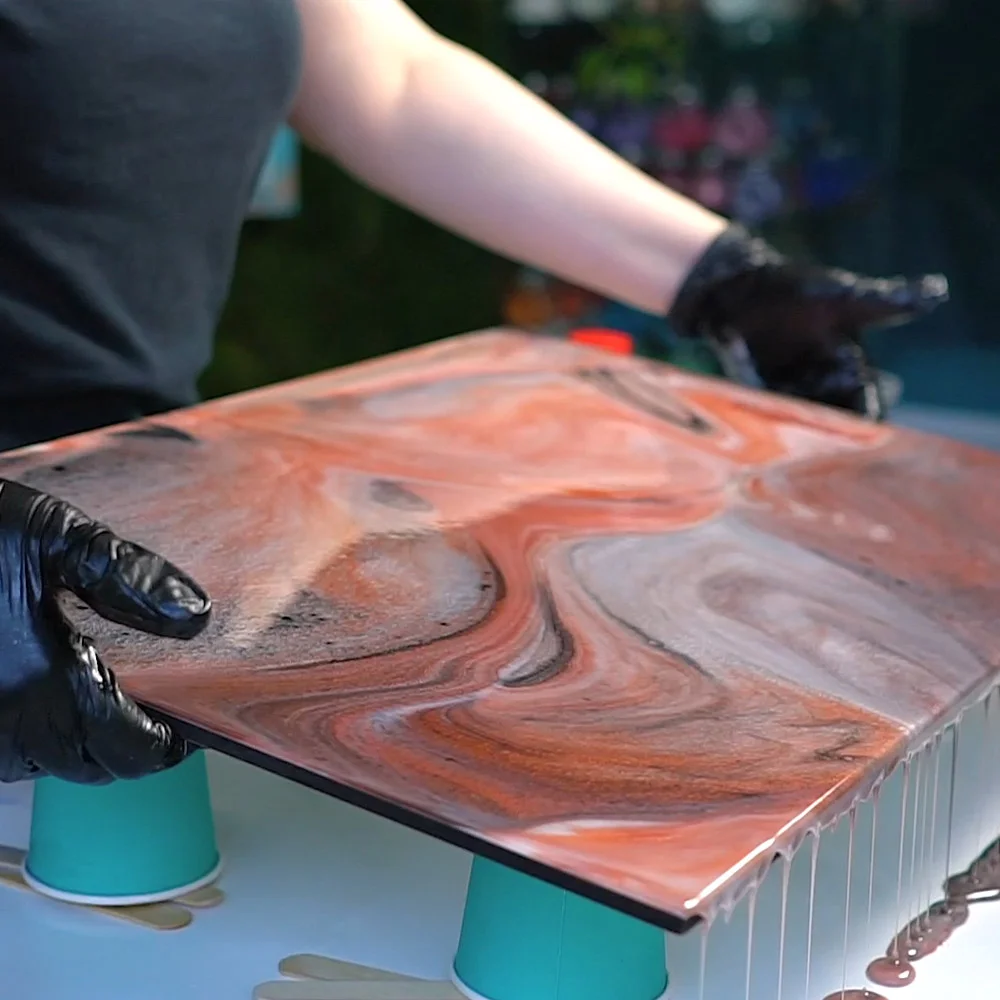
Resin Pouring in Action
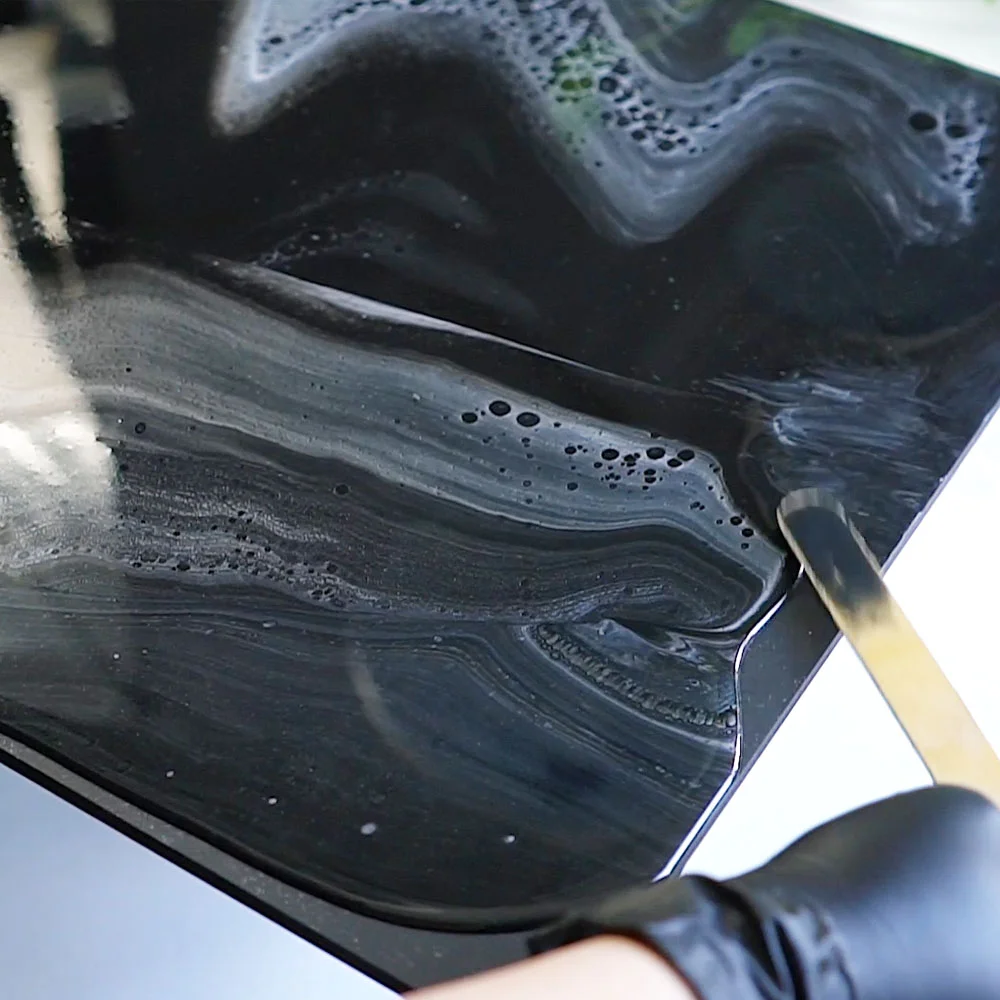
See how self-levelling resin flows over a worktop, forming a smooth, glassy surface ideal for custom finishes. These visual steps showcase mixing, pouring, and veining in a real home project.
Step 1: Prepare the Surface
Start by ensuring your existing countertop is clean, dry, and completely free of dust, oils, and old finishes. Lightly sand the surface using coarse sandpaper (120–220 grit) to provide a “key” for the resin to adhere. Remove all sanding residue thoroughly with a vacuum and wipe the area with isopropyl alcohol for best adhesion.
Mask off walls, cabinets, appliances, and any exposed areas using painter’s tape and plastic sheeting. Ensure the working area is flat and level to promote an even pour across your surface.
Always wear gloves and safety gear during preparation and pouring. Resin can be sticky and should not come into contact with your skin or eyes.
Step 2: Measure and Mix the Resin
Calculate the volume you’ll need by measuring the length, width, and desired thickness of your countertop. Refer to the resin kit instructions for the proper ratios—precision is essential for optimum results and curing. For marble effects or standard overlays up to ~1–2cm, the Stone Effect Collection – Marble Epoxy Resin Countertop Kit comes with pre-measured pigments and detailed guidance on mixing techniques.
For thicker castings (up to 5cm in a single pour), choose EpoxyTable 5-Five. In a clean container, combine resin and hardener according to the product’s exact ratio. Mix slowly and thoroughly, scraping the sides to avoid unmixed pockets—this step is crucial for even curing and a clear, bubble-free result.
Accurately measure and thoroughly mix the resin and hardener. Take your time, as incorrect mixing is the biggest culprit for resin that remains tacky or cures unevenly.
Step 3: Pour and Distribute the Resin
Slowly pour the mixed epoxy across your countertop in an S-pattern for even coverage. Use a notched trowel or a plastic spreader to guide the resin across the surface and ensure the edges are coated. For marble or stone effects, swirl pigments or use the isopropyl alcohol supplied in the kit to create authentic veining and depth.
Work steadily but efficiently; most epoxies allow for an open time of 30–45 minutes, depending on kit and room temperature. The resin will start to self-level and smooth out minor imperfections.
After distributing the resin, immediately remove surface air bubbles by waving a heat gun or small torch over the resin. Move quickly in sweeping motions to avoid scorching. Repeat as needed for a flawless, glossy finish.
Eliminate air bubbles with a heat gun or torch after pouring. Don’t let bubbles sit—they can harden and mar your final finish.
Step 4: Allow for Curing and Finishing Touches
Cover the newly poured countertop with a dust sheet or box to protect against debris while curing. Let the resin set undisturbed for the time stated in your kit guidance—commonly 24–72 hours for initial cure, and up to 7 days for full mechanical strength.
Once hardened, inspect for imperfections. For minor flaws or high spots, sand gently with very fine grit and polish, or apply an additional clear coat if desired. Some kits, such as the Stone Effect Collection, include polishing compounds and pads for a mirror-like finish.
Allow sufficient curing time for a durable, professional result. Using the countertop too early can result in impressions or dull spots.

Step 5: Clean Up and Maintenance
While the resin is still workable, clean all tools and containers with isopropyl alcohol. Remove masking tape only once you’re sure the resin has begun to set but before it fully cures to avoid pulling on the hardened edge.
For ongoing care, avoid harsh abrasives and use mild, non-acidic cleaners to preserve the resin’s clarity and shine. You can periodically buff the surface with a soft pad if your kit provides one.
Clean tools before the resin cures to prevent hardening and waste. Prompt cleanup saves time and extends the life of your tools for future projects.
Tips and Troubleshooting
Work at recommended temperatures (18–25°C) for best flow and curing. Avoid humid conditions, which can result in blush or surface cloudiness. If bubbles persist, check for overly vigorous mixing or high ambient humidity. Minor dust or insects can often be sanded out and spot-coated after curing.
If attempting special effects, always test on a sample first. When pouring thicker layers, consider multiple stages if resin or ambient conditions require—deep pours can generate heat, so follow resin-specific instructions to prevent issues like cracking or yellowing.
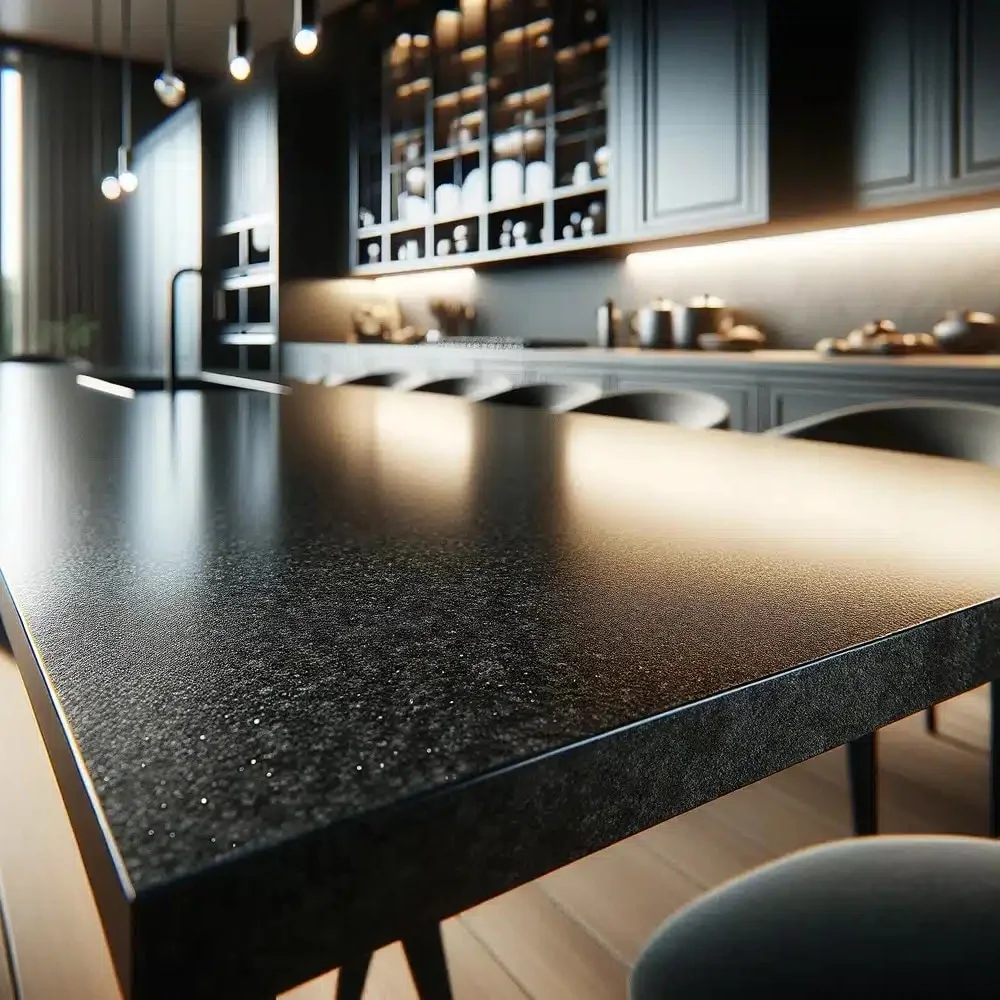
Finishing and Polishing Results
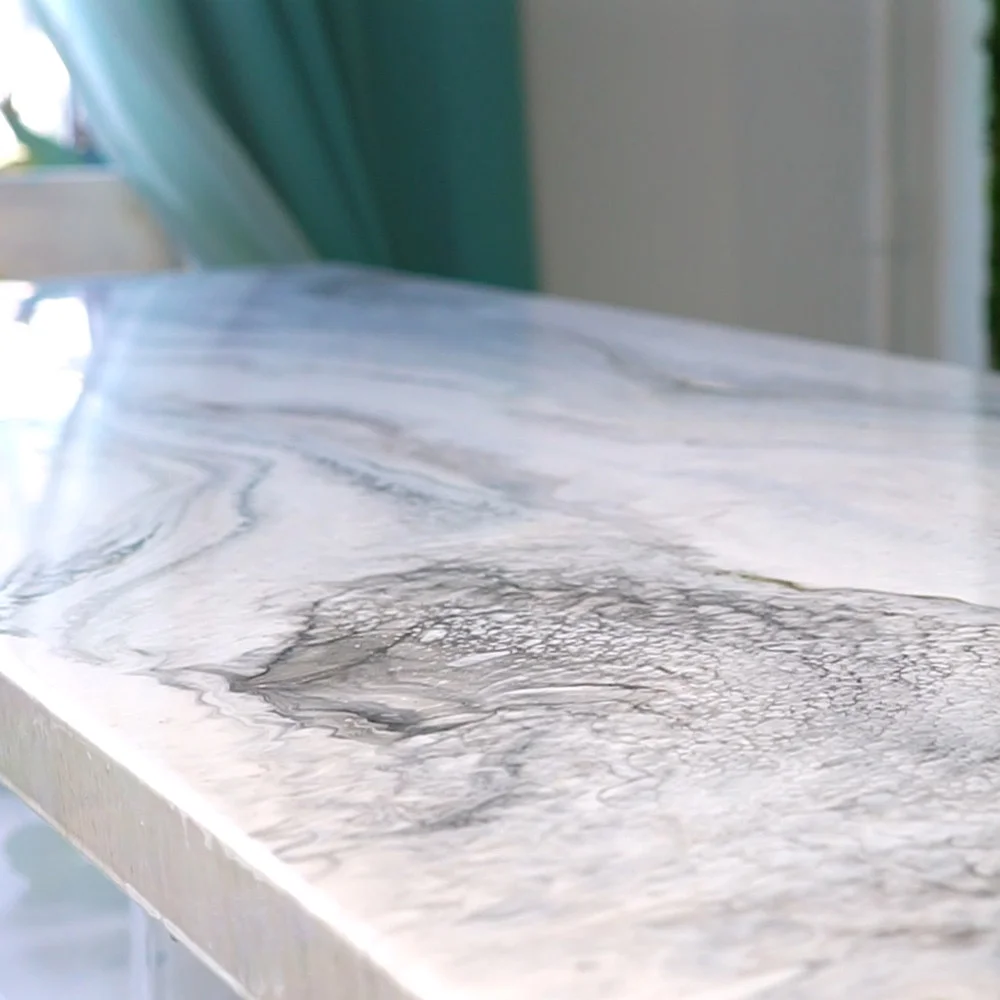
Observe the crystal-clear finish and marble visual created with epoxy. Final results highlight the depth, gloss, and detail of a properly poured and polished resin countertop.
- "Stone Effect Collection" – Marble Epoxy Resin Countertop KitPrice range: £54.85 through £394.85Kit designed for making stone-effect resin countertops with durable, scratch-resistant finishes, suitable for kitchens and bathrooms.
- “Epoxytable 10-Ten” – Deep Pour Epoxy Resin for Tables, Up to 10cm CastingPrice range: £33.85 through £334.85“Epoxytable 10-Ten” is designed for deep casting up to 10cm, suitable for creating tables with clear, non-yellowing resin layers.
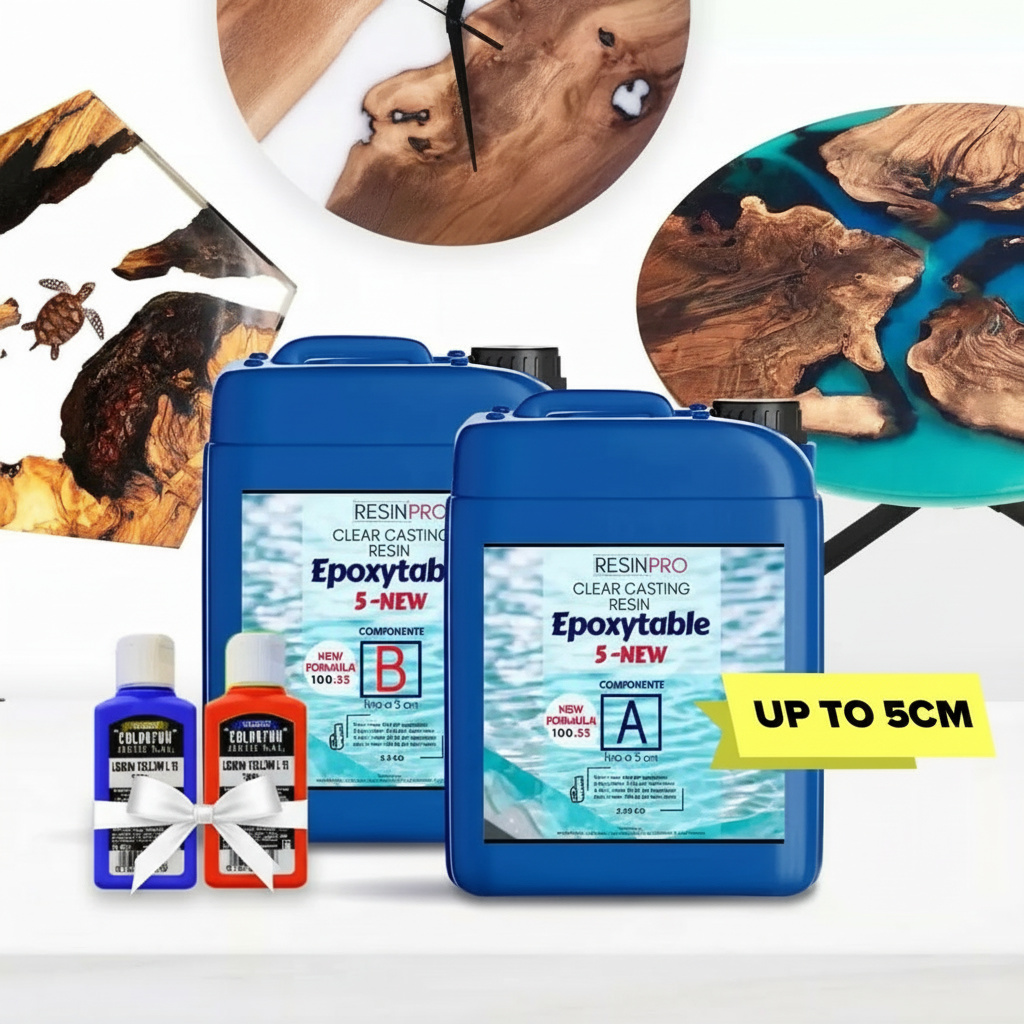 "EpoxyTable 5-Five" – Deep Pour Epoxy Resin for Tables and Large Projects – Up to 5cmPrice range: £16.85 through £1,099.85"EpoxyTable 5-Five" is a deep pour epoxy resin designed for large projects like tables and countertops within the theme of how to make a resin…
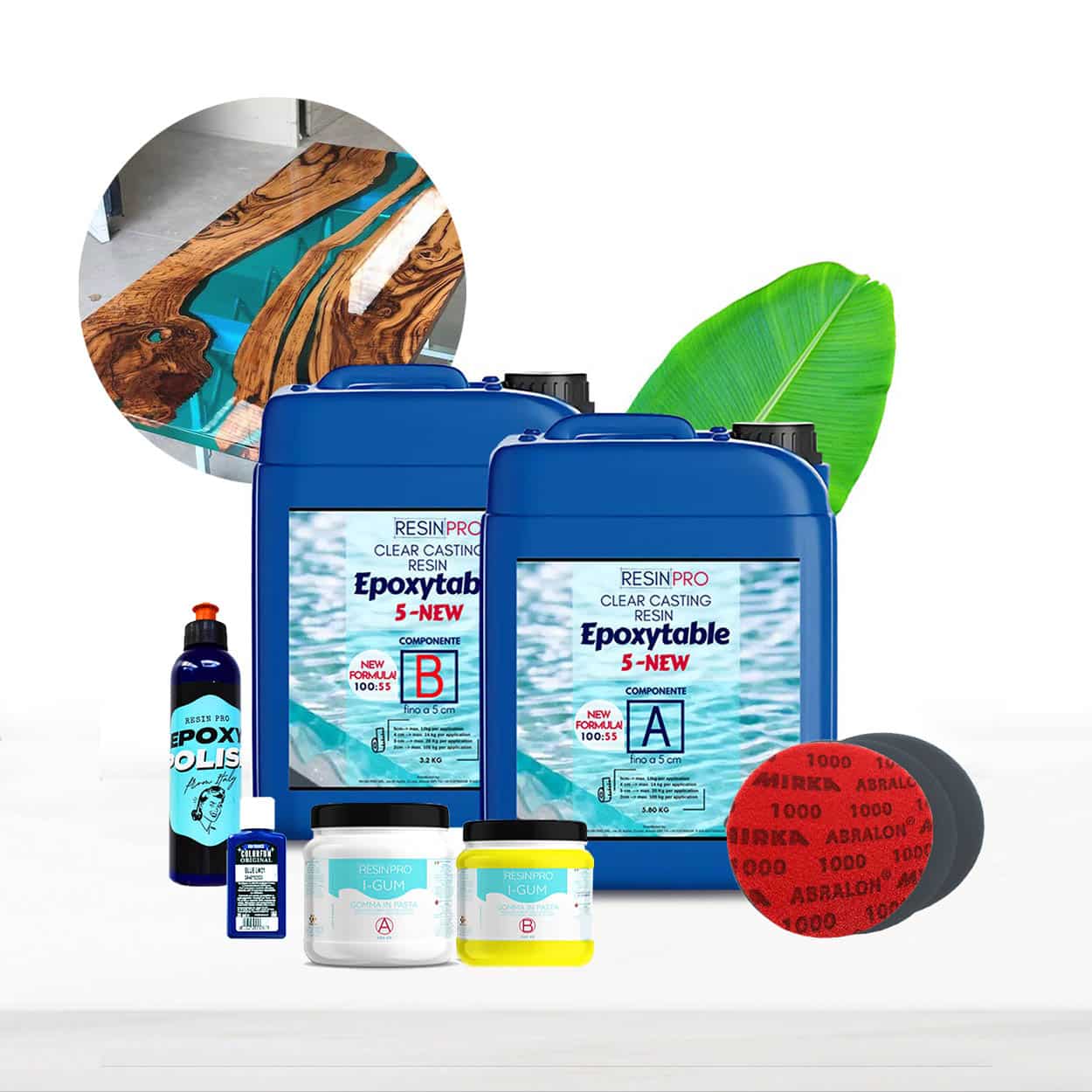 "River-Table" – Complete Kit for Creating Your First Epoxy Resin TablePrice range: £188.85 through £444.85"River-Table" kit includes epoxy and polishing supplies, designed for making resin wood tables following detailed instructions.
Frequently Asked Questions
Which resin is best for worktops?
Kits designed for countertops or a thick, self-levelling resin are recommended for robust and lasting worktop finishes.
How thick can I pour resin for a countertop?
Most deep pour epoxies allow pours up to 5–10cm, but for best curing, stick to your resin kit’s stated maximum layer thickness.
Can I create marble effects with resin?
Yes, using a kit with pigment and isopropyl alcohol lets you craft marble veining and colour transitions directly in the pour.
Is resin food safe for kitchen countertops?
Choose an epoxy counter kit designed for kitchen use. For strict food contact, verify kit instructions and certifications.
How do I repair and polish a resin countertop?
Light scratches can be sanded with fine grit and polished. For chips or deep damage, spot fill and recoat with resin.
How do I prevent bubbles when pouring resin?
Mix slowly to avoid introducing air and pass a heat gun over the surface after pouring to remove any trapped bubbles.
How long before I can use my resin countertop?
Most resins are touch-dry in 24 hours, but wait at least 72 hours for light use and a full 7 days for heavy use and cleaning.