 Free shipping on orders over £29,85
  Shipping Tracking!


 Google
 Facebook
← Back to how to make a resin coating
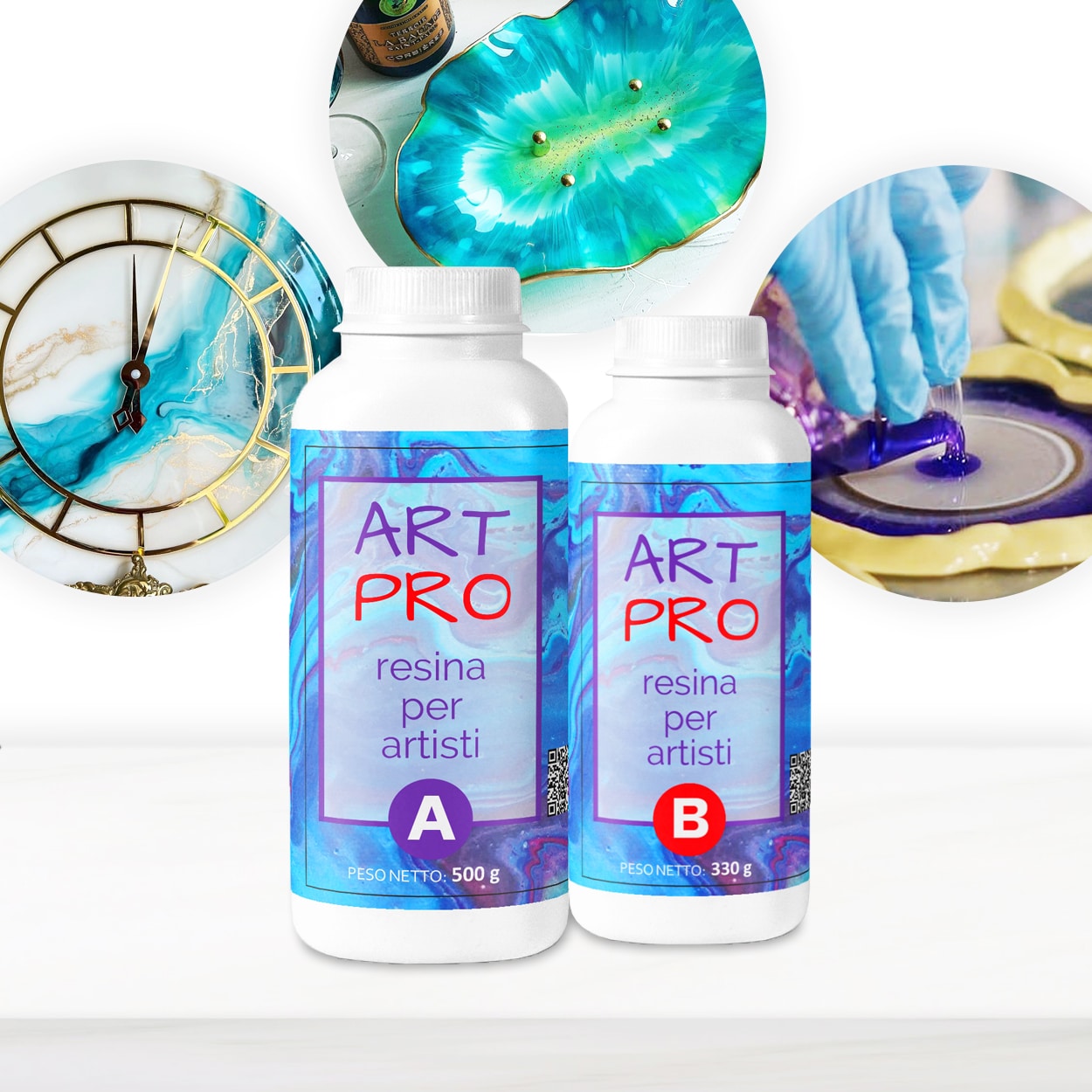
Epoxy resin is a versatile solution for achieving durable, glossy finishes on a range of surfaces. Selecting the right base ensures lasting results in craft, DIY, or artistic projects.
Compatible Surfaces for Epoxy Resin
Epoxy resin can adhere effectively to many stable surfaces. Most commonly, it is used for:
- Wood: Perfect for tables, coasters, and decorative panels when dry and sealed.
- Canvas: Popular for resin art, paintings, and mixed-media applications.
- Concrete: Suitable for worktops, floors, and art installations with moisture sealing.
- Ceramics: Ideal for decorative tiles or repairs.
- Stable Metals: Properly prepared metals allow resin to create a glossy, smooth finish.
Other materials, such as glass fibre, can also be coated, provided the surface is clean and stable.
Surface Preparation and Application Tips
To achieve the best adhesion and finish, ensure your chosen surface is:
- Clean and Dust-Free: Wipe away grease, dust, or debris for optimal bonding.
- Dry: Moisture can lead to poor adhesion or bubbles under the resin.
- Sealed: Porous materials such as wood and concrete should be sealed with a suitable primer or a thin layer of resin. This prevents air bubbles and helps the main coating achieve a flawless look.
Carefully follow mixing instructions for your resin, such as the easy 3:2 ratio with “Art Pro” – Clear Epoxy Resin for Artists and Surface Coating, to ensure a reliable, even application.
When Surface Choice Matters
Your final result depends heavily on the base material. Coating wood or concrete with resin creates a durable, lasting surface, while resin art on canvas produces stunning visual depth. Always confirm your planned project’s suitability, and avoid applying resin to unstable, flexible, or unsealed substrates, as this can cause delamination or defects over time.
Related products
Related guides
Exploring the range of surfaces suitable for epoxy resin opens up creative possibilities in home, art, and craft. For step-by-step guidance on achieving the best finish, see our main guide on how to make a resin coating.