 Free shipping on orders over £29,85
  Shipping Tracking!


 Google
 Facebook
how to make an epoxy resin lamp
Designing and casting your own epoxy resin lamp is a rewarding process, blending creativity and technical skill to create a functional piece of art for your home. This guide will show you each stage, from preparing your workspace to achieving a flawless, illuminated finish that lets resin’s clarity and your artistic vision shine through. Whether you are new to casting or looking to perfect your lamp-making technique, this page has all you need to succeed safely and confidently.
Step-by-step instructions for a unique illuminated resin piece

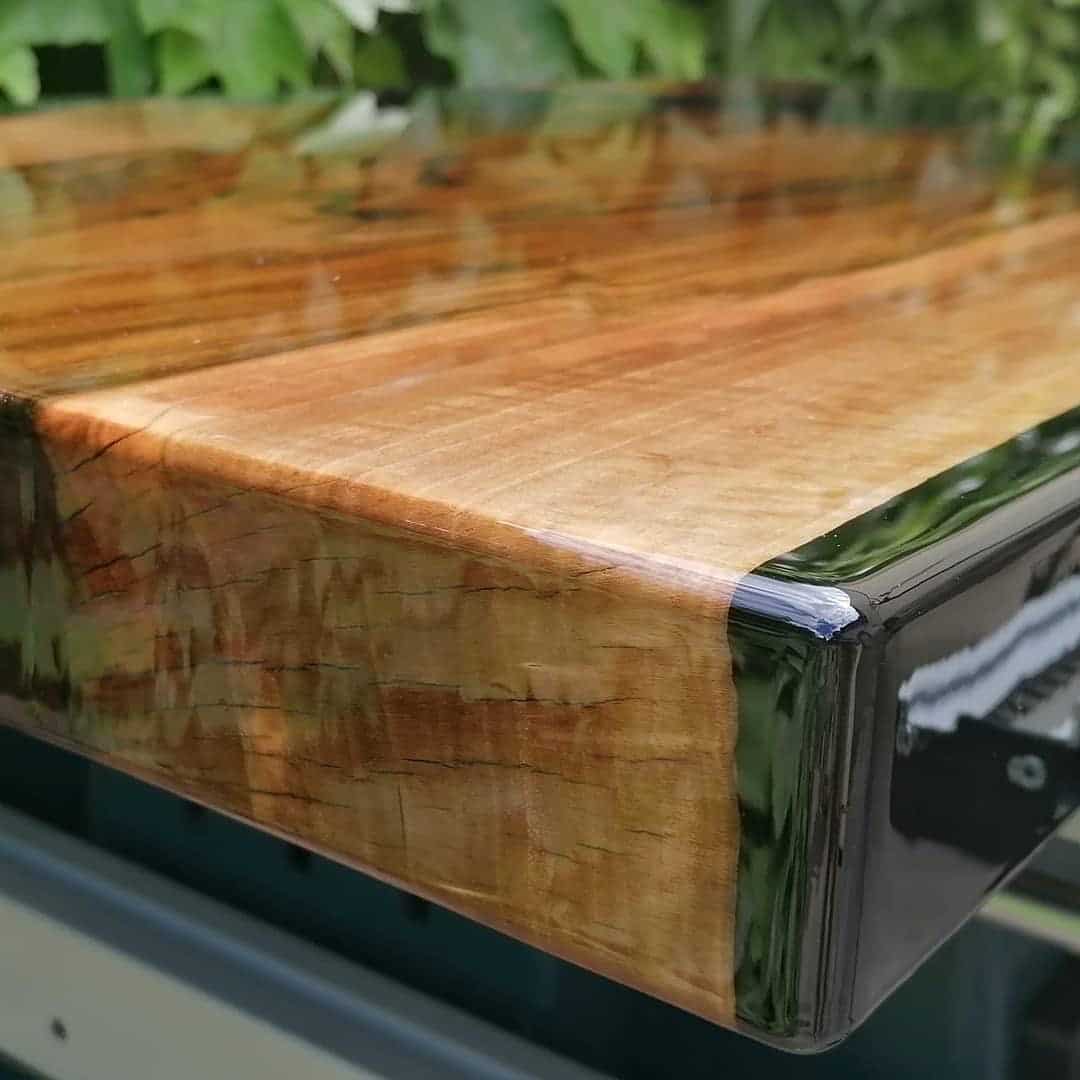
What You’ll Need
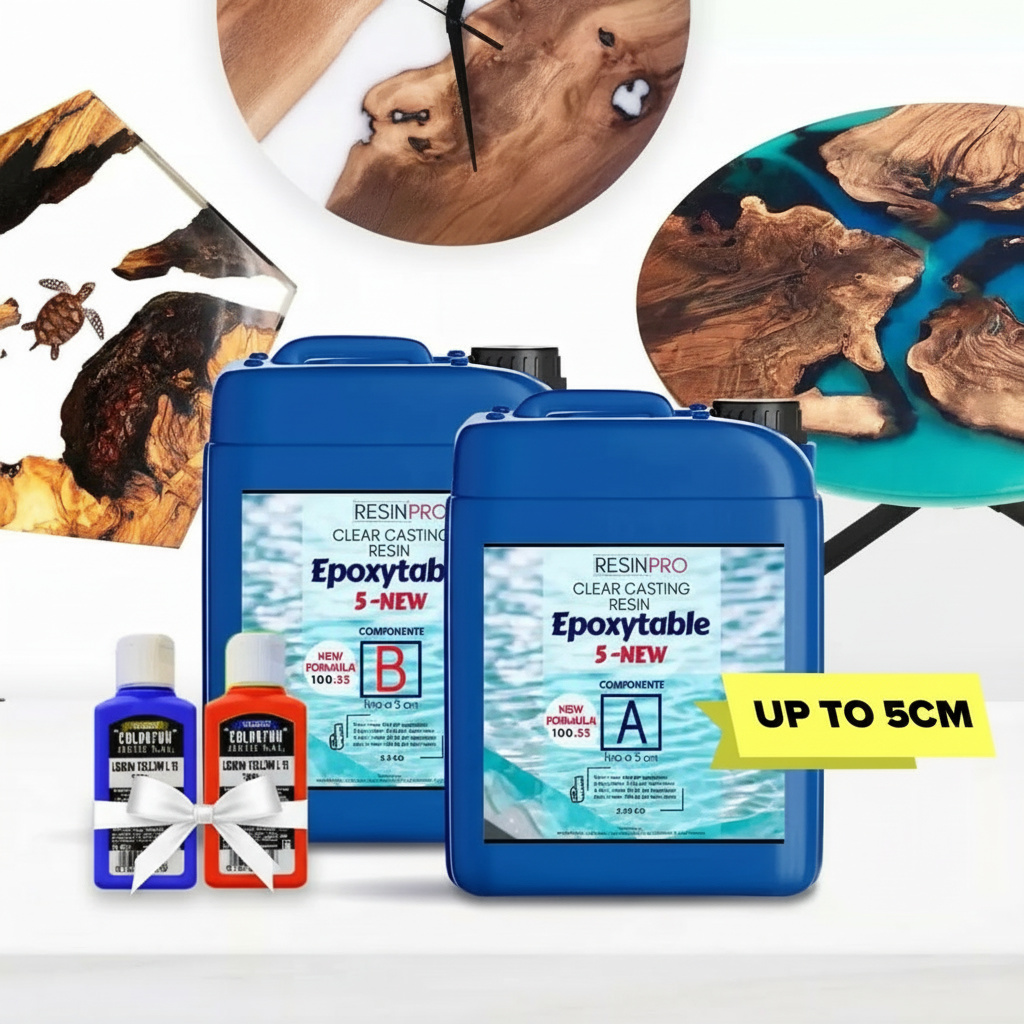
- “Epoxytable 10-Ten” – Deep Pour Epoxy Resin for Tables, Up to 10cm Casting – Ideal if your lamp features thick, clear resin elements.
- “EpoxyTable 5-Five” – Deep Pour Epoxy Resin for Tables and Large Projects – Up to 5cm – Suitable for mid-depth lamp bases or decorative castings up to 5cm.
- “River-Table” – Complete Kit for Creating Your First Epoxy Resin Table – Contains resin, polish, pigment, and sealing materials for beginners.
- “Colourfun Set” – Liquid Epoxy Resin Colourant Set for Solid Colour Effects – Add vibrant or translucent colours to your lamp.
- Silicone mould (or custom lamp mould), mixing containers, wooden stirrers
- Protective gloves and eyewear
- LED lamp socket and wiring kit, sandpaper for finishing

Getting Ready: Workspace and Materials
Preparation ensures both safety and a flawless result. Lay out all materials in advance and check that you have protective gear. Good ventilation helps with resin fumes, and using a dust-free surface prevents imperfections in your finished lamp.
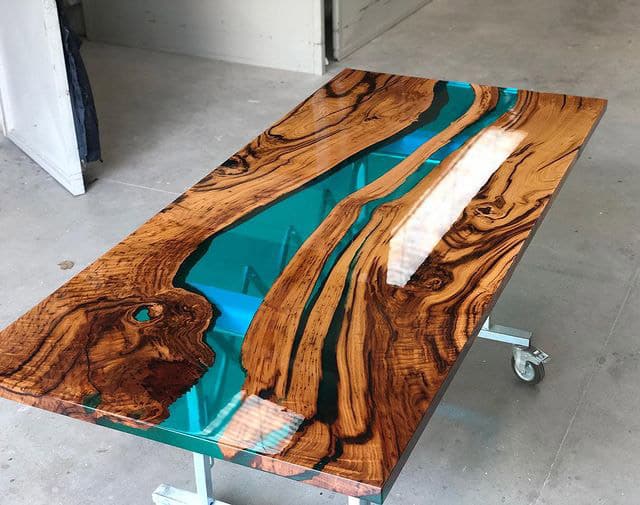
Step 1: Set Up Your Workspace and Safety
Wear protective gloves, eyewear, and work in a well-ventilated area. Epoxy resin can irritate the skin and has a strong odour before it cures. Cover all surfaces with disposable plastic or cardboard. Assemble your lamp mould, and check that it can support the weight of liquid resin without deforming. Plan cable runs or lamp sockets at this stage, using a PVC pipe or dowel as a placeholder if needed.
Be mindful of temperature: most casting resins cure best between 18°C and 25°C. Too-cool or overly warm environments can affect curing or introduce bubbles.
Step 2: Prepare and Seal Your Mould
Thoroughly clean your lamp mould to remove dust, fingerprints, or grease, as these can transfer to your cast. If you are making your own mould, use a high-quality silicone, acrylic, or HDPE material. Seal your mould to prevent resin leakage. For custom forms, a silicone sealant or release film may be needed.
Tape or glue shut any seams, and double check for stability. If you’re embedding wood or other inclusions in the lamp, ensure these are dry and sealed to prevent moisture affecting the resin.
Step 3: Mix and Colour Your Epoxy Resin
Carefully measure Part A and Part B of your resin by weight (not volume), following the manufacturer’s instructions. If your lamp needs thicker casting, “Epoxytable 10-Ten” – Deep Pour Epoxy Resin for Tables, Up to 10cm Casting is best for crystal-clear layers up to 10cm thick; for castings up to 5cm, use “EpoxyTable 5-Five”. Mix thoroughly but slowly to avoid air entrapment. Scrape the sides and bottom of your container as you stir.
To customise your lamp’s look, blend in a drop or two from the “Colourfun Set” – Liquid Epoxy Resin Colourant Set for Solid Colour Effects. Start with tiny amounts—these concentrated pastes go a long way. For transparency and layered effects, use less pigment; for vivid colour blocks, use more.
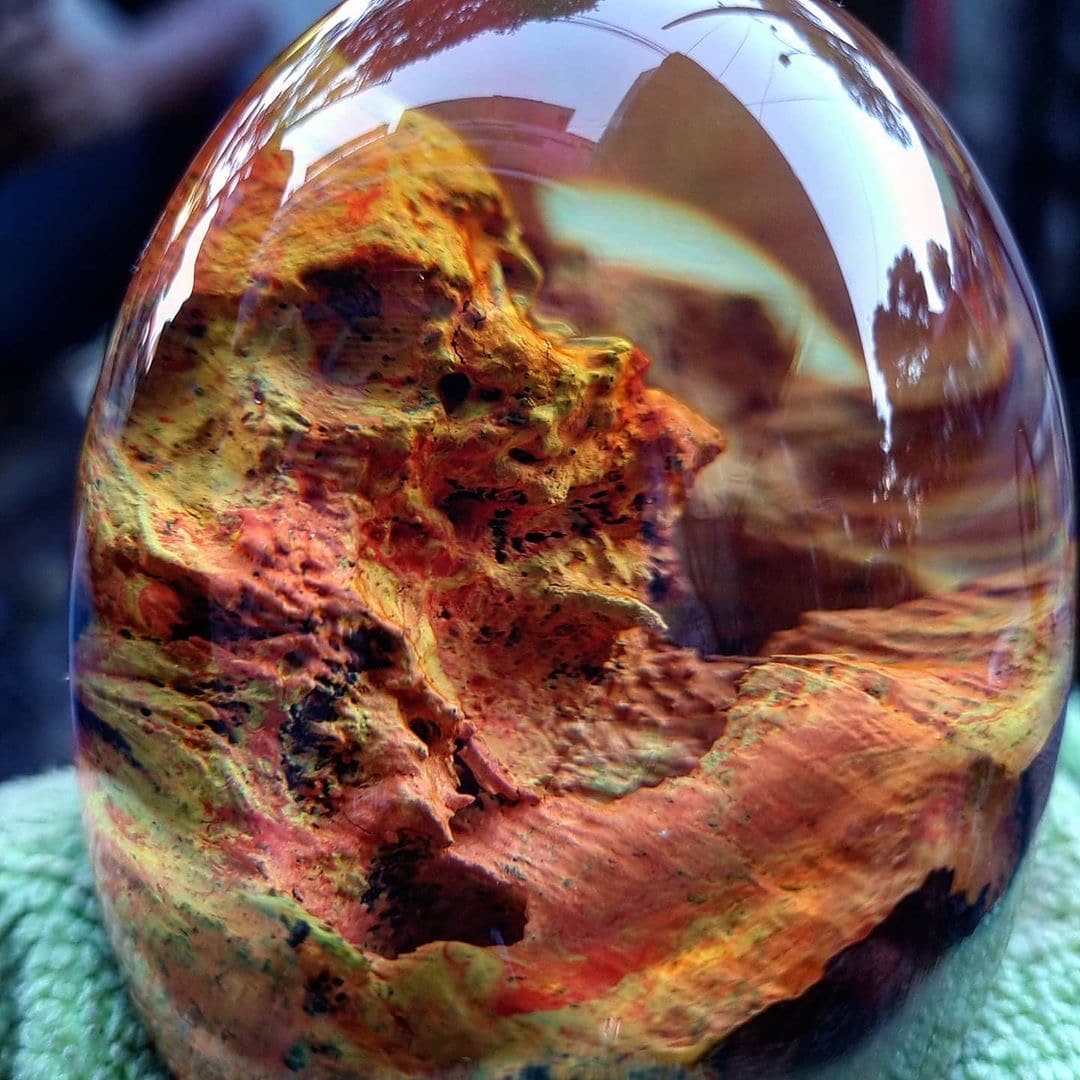
Step 4: Pour and Cure the Resin Cast
Slowly pour the mixed resin into your prepared mould, starting from one point to minimise bubbles. If you’re working in layers, allow each to partially cure (follow product recommendations) before adding the next. This avoids excess heat build-up and ensures clean transitions.
Let the resin cure fully before unmoulding. Most deep pour resins require at least 24–72 hours to reach handling strength and up to 7 days for full cure at room temperature. Avoid disturbing the mould during this period for a flawless surface.
Step 5: Finish, Assemble, and Install Lighting
Once cured, demould your lamp. Sand rough edges with fine-grit sandpaper, or use the polishing kit if your kit includes one. “River-Table” – Complete Kit for Creating Your First Epoxy Resin Table contains pads and polish specifically designed for epoxy surfaces.
Install your LED socket and wiring, using pre-planned cable channels or drill as needed. Test your light fitting before final assembly. Finally, enjoy your translucent, glowing resin lamp in your favourite corner.
Tips, Troubleshooting, and Common Mistakes
Never shortcut the mixing process—improperly mixed resin may not cure and can remain sticky. For artistic effects like swirls or embedded objects, plan their placement before pouring. Avoid pouring too thickly in one go unless the resin is designed for deep casting. Always let resin cool naturally; don’t force curing with external heat as this can cause cracks or yellowing.
Surface bubbles can be popped by gently wafting a heat gun or blown air over the surface immediately after pouring. Store your lamp away from direct sunlight to preserve its clarity.
Expert Finishing Touches
A little patience pays off. Let resin cure at the recommended temperature and resist unmoulding too soon. For a brilliant shine, sand in steps using finer grit and finish with resin-specific polish for a glass-like result.

- “Epoxytable 10-Ten” – Deep Pour Epoxy Resin for Tables, Up to 10cm CastingPrice range: £33.85 through £334.85“Epoxytable 10-Ten” is designed for creating tables with castings up to 10cm deep, suitable for how to make an epoxy resin lamp projects.
- "EpoxyTable 5-Five" – Deep Pour Epoxy Resin for Tables and Large Projects – Up to 5cmPrice range: £16.85 through £1,099.85"EpoxyTable 5-Five" is a deep pour epoxy resin suitable for tables and large projects, designed for deep casting up to 5cm thickness.
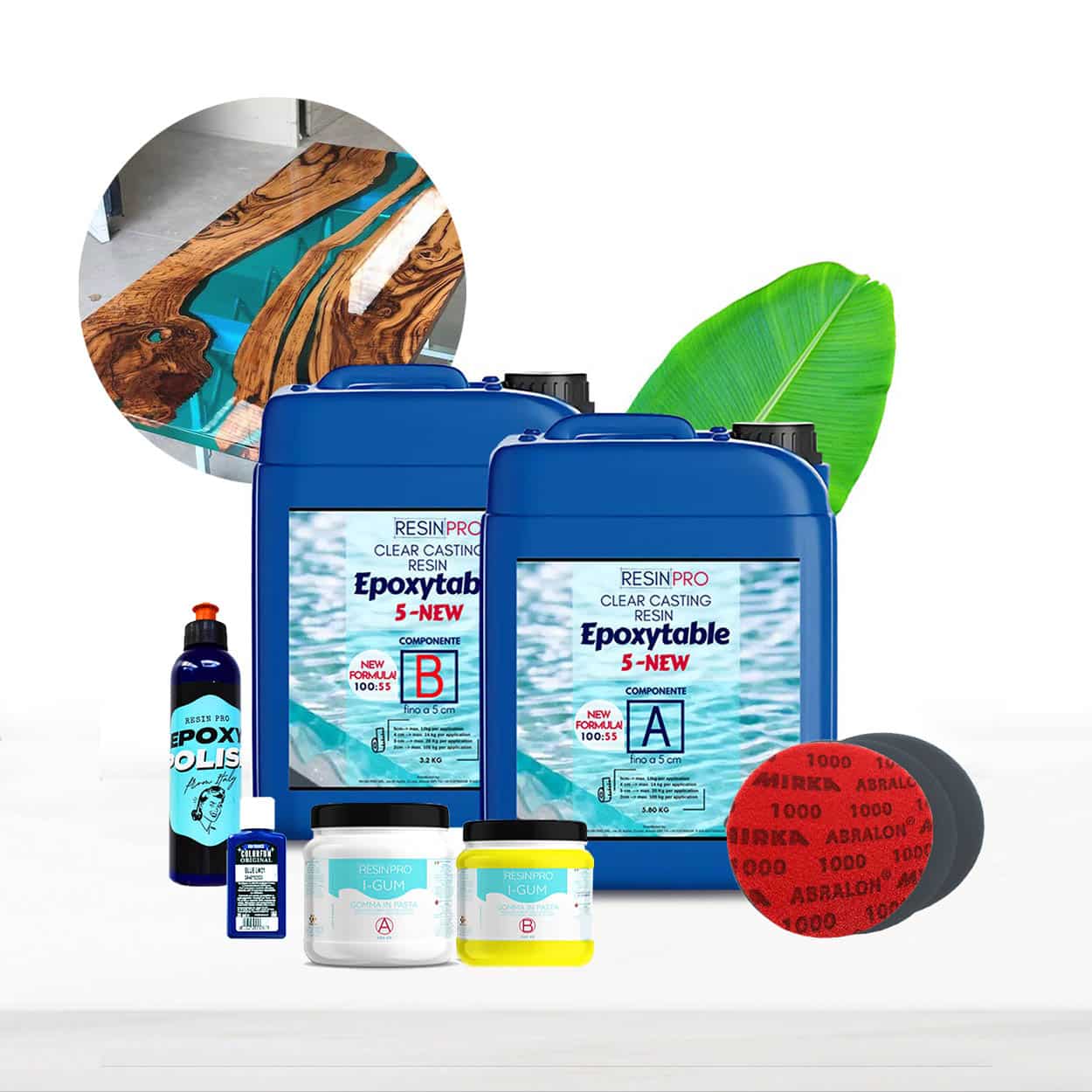 "River-Table" – Complete Kit for Creating Your First Epoxy Resin TablePrice range: £188.85 through £444.85"River-Table" kit contains resin, sealant, polishing kit and pigments with instructions, suitable for epoxy resin lamp theme.
 "Colourfun Set" – Liquid Epoxy Resin Colourant Set for Solid Colour EffectsPrice range: £13.45 through £48.15"Colourfun Set" offers intense, translucent colours in paste form, suitable for transparent epoxy resin projects in a theme on making epoxy resin…
Frequently Asked Questions
Can I pour all my resin at once, or do I need to do multiple layers?
For castings deeper than the recommended single pour thickness, work in layers—allowing each to partially cure before pouring the next prevents overheating and surface flaws.
How do I get vibrant or translucent colour effects in my lamp?
Mix a small amount of concentrated resin pigment, like Colourfun, into your resin. Add gradually and stir thoroughly for even colour distribution.
How should I cure my epoxy resin lamp for the best clarity?
Allow the resin to fully cure at room temperature in a stable, dust-free area. Avoid forced heat, which can cause yellowing or deformation.
Can I add flowers, wood, or other items inside my resin lamp?
Dry and seal inclusions thoroughly to prevent moisture, which can cause cloudiness or bubbles inside the cured resin.
What kind of mould works best for casting an epoxy resin lamp?
Use non-stick moulds made from silicone, acrylic, or HDPE, as these materials facilitate easy demoulding and minimise defects.
How can I minimise bubbles in my lamp casting?
Mix resin slowly, pour gradually, and use a heat gun or gentle airflow to pop bubbles immediately after pouring.
What are the main safety tips when working with epoxy resin for lamps?
Wear gloves and eyewear, keep your area ventilated, and avoid skin contact with uncured resin.