 Free shipping on orders over £29,85
  Shipping Tracking!


 Google
 Facebook
← Back to How do you make a sphere mould with resin?
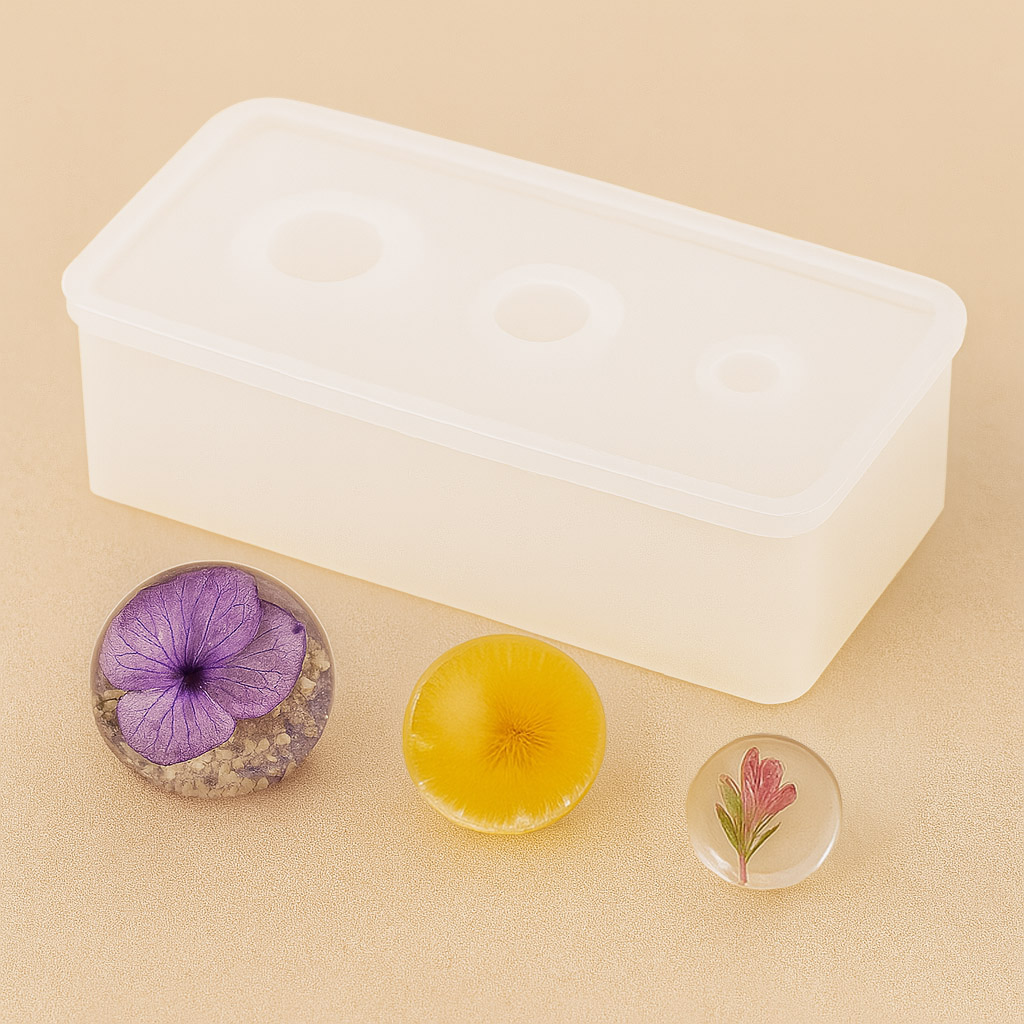
If you’re working with resin and silicone moulds, knowing when to demould is key. Removing your cast resin within 12 hours helps to avoid unwanted adhesion and ensures crisp, easy releases every time.
Why Timing Matters for Resin Demoulding
Silicone moulds are popular for crafting spheres and other shapes because they’re non-stick and reusable. However, if resin is left to cure too long—beyond roughly 12 hours—it can start to grip the mould, sometimes making removal difficult or leaving marks. By demoulding promptly, you maintain your mould’s quality and avoid damaging your project.
Best Approach for Removing Resin From Moulds
- Check the manufacturer’s resin curing times. Once the resin feels firm—but not fully hardened—it’s typically ready to remove.
- Gently loosen the edges of the casting first, then work towards the centre to prevent stress on your mould.
- If your piece is still slightly flexible, that’s normal. Set the item aside to finish curing fully out of the mould.
Using durable silicone moulds such as the “3 Sphere” – Silicone Mould for Jewellery and Crafts can make unmoulding easier due to their flexibility and smooth surface.
When This Matters Most
Timely demoulding is especially important for delicate shapes, like spheres or cabochons, and when reusing professional-quality moulds. Sticking or tearing can quickly ruin a detailed work or shorten your mould’s lifespan.
Related products
Related guides
Practising prompt removal will help you achieve stress-free results and get the most out of your materials. For more tips on working with sphere moulds and resin, return to our main guide on making a sphere mould with resin anytime.