 Free shipping on orders over £29,85
  Shipping Tracking!


 Google
 Facebook
How to waterproof using resin?
Waterproofing using resin is an effective way to protect a range of surfaces—such as wood, concrete, and interior walls—against water, moisture, and harsh environmental elements. This comprehensive guide explains how to achieve a durable, moisture-resistant barrier, whether you’re safeguarding outdoor furniture, sealing driveways, or upgrading bathroom walls. By following the steps below, you’ll ensure reliable results and extended lifespan for your chosen materials.
Step-by-step guide to sealing surfaces against moisture

What You’ll Need
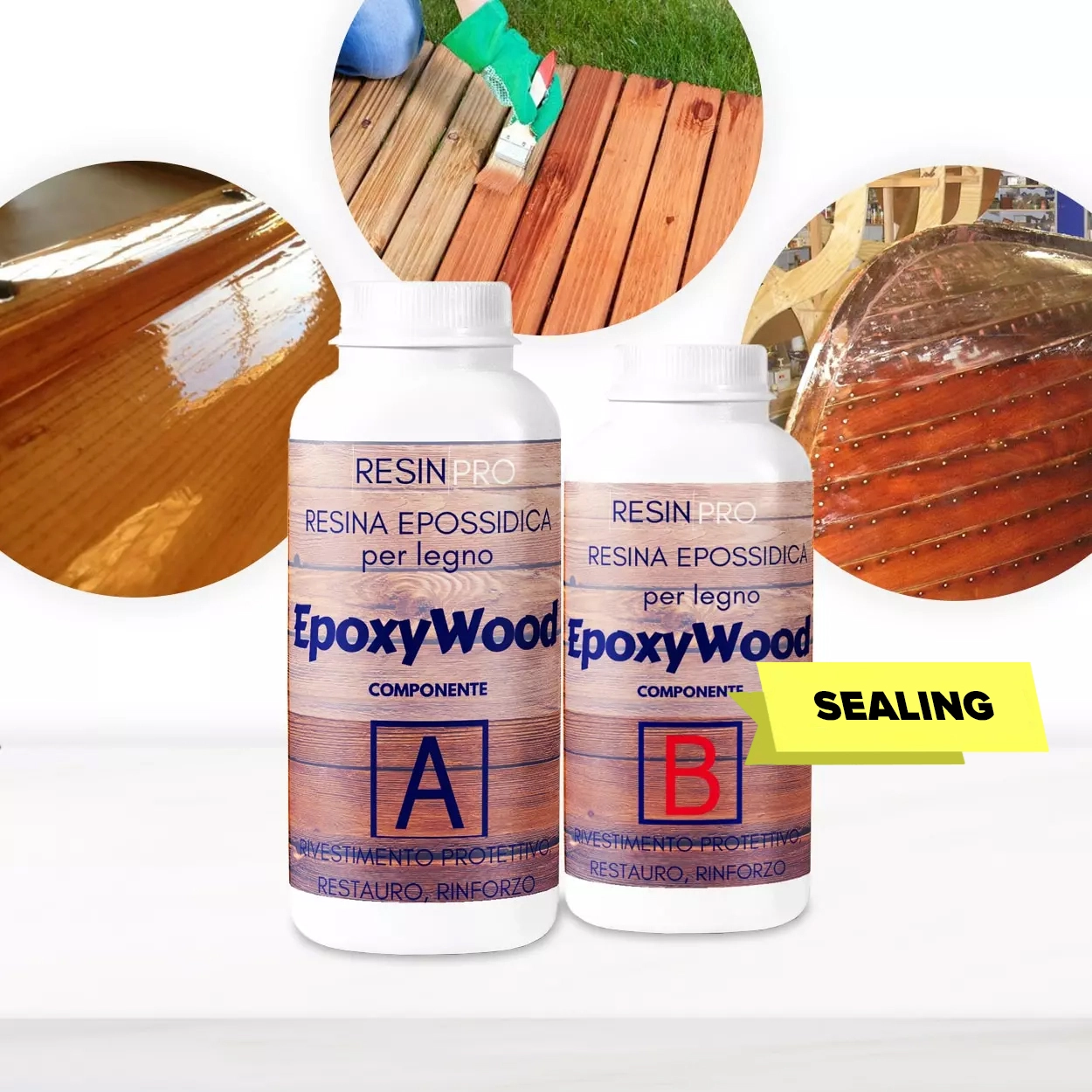
- “EpoxyWood” – Wood Restoration Epoxy Resin for Deep Penetration and Waterproofing – best for restoring and waterproofing wooden surfaces
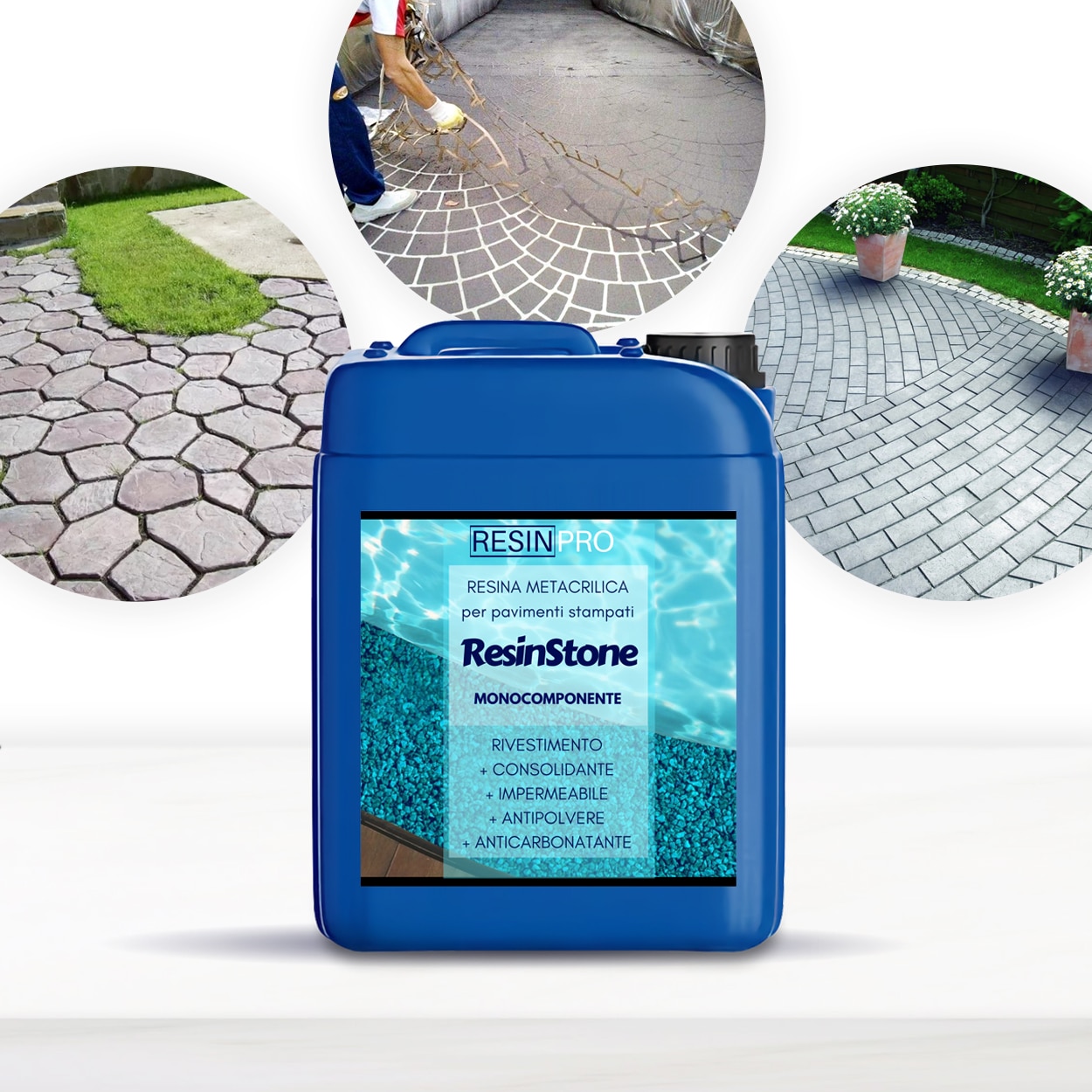
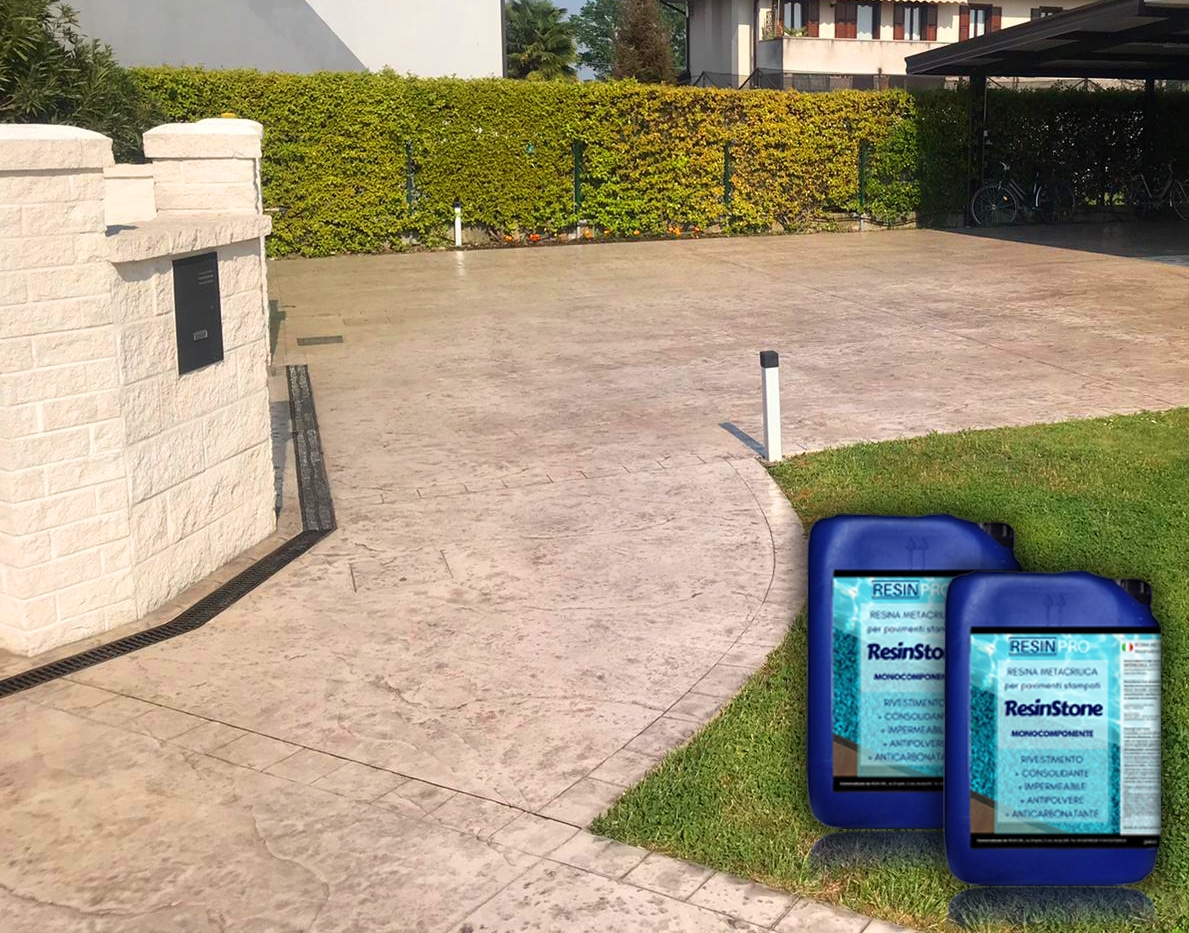
- “Resinstone” – One-Component Methacrylic Resin for Concrete Floors and Driveways – ideal for sealing concrete and driveways
- “Trasparente” – Multipurpose Clear Epoxy Resin for Casting – Up to 2cm – for clear, glossy protection on small projects or décor
- “Vertical Glass” – Thick Resin Decorative Wall Coating – suited to waterproofing and decorating vertical wall surfaces
- Protective gloves, safety goggles, and appropriate clothing
- Sanding paper or a sander (various grits)
- Mixing sticks or spatula, clean mixing containers
- Masking tape and drop cloths for surrounding areas
Choosing the Right Resin Product
Selecting the most suitable resin ensures long-lasting waterproofing and a superior finish. Whether working with wood, concrete, or interior walls, specialised resins are formulated for different surfaces and performance needs. Evaluate your project—outdoor exposure, required transparency, and decorative finish—before making a choice.

Step 1: Assess and Prepare the Surface
Proper preparation is crucial for successful waterproofing. Begin by thoroughly cleaning the surface. Remove dust, dirt, oils, loose paint, or any debris. For wooden or concrete areas, sanding helps to open up pores or remove damaged layers, ensuring the resin achieves full adhesion. Allow surfaces to dry completely—moisture trapped underneath can undermine the waterproof barrier.
For vertical or wall decoration projects, ensure the substrate is solid and free of cracks. Use masking tape to protect adjacent surfaces and lay down drop cloths to keep your workspace tidy.
Step 2: Mix and Prepare the Resin
Read the manufacturer’s instructions before starting. Measure resin and hardener in the ratios specified (typically by weight, not volume). Mix slowly and thoroughly to avoid introducing bubbles, scraping the sides and bottom of your mixing vessel until the solution is uniform. Only prepare as much resin as you can comfortably apply within the working time stated in the product’s guidelines.
For complex or decorative projects—such as waterproof wall finishes—this is also the stage to add pigments or metallics for a custom look.
Step 3: Apply the Resin Evenly
Select the appropriate resin for your surface. For timber or restoration, EpoxyWood – Wood Restoration Epoxy Resin for Deep Penetration and Waterproofing offers deep penetration and structural reinforcement. For floors, paths, or driveways, Resinstone – One-Component Methacrylic Resin for Concrete Floors and Driveways effectively seals and protects against moisture ingress.
Apply the mixed resin using a brush, roller, spatula, or pour method, depending on the type. Start at one corner, working methodically to cover the entire surface evenly. Work quickly but carefully within the open time. Avoid pooling—resin layers should be uniform for maximum waterproof efficiency.
Step 4: Allow to Cure and Inspect
Let the resin cure undisturbed as per manufacturer instructions. Curing times vary: many resins reach initial hardness within a few hours, but full chemical resistance and durability can require 24–72 hours. Check for missed spots, bubbles or imperfections before the coating sets. If a thicker or higher-performance barrier is needed, a second coat may be applied after the first layer has cured but is still slightly tacky, or as guided by the product instructions.
Tips, Common Mistakes, and Troubleshooting
Protect surfaces completely from water damage by overlapping edges and ensuring even coverage on every coat. Thorough preparation ensures best waterproofing results: remove any dust and allow all surfaces to dry before application. Avoid thick pours for faster, even curing, especially with clear resins. Allow full curing before stress or exposure to water for lasting results. Watch for air bubbles—work slowly while mixing and apply resin gradually to delicate or vertical areas. If in doubt, test the resin on a small hidden area first.
Surface Care After Waterproofing
Maintain your finished surface by routinely cleaning with mild, non-abrasive products. Avoid harsh chemicals and scrubbing pads, as these can damage the cured resin. Check your waterproofed area periodically for wear, especially in high-traffic spots, and reapply resin as needed for continuous protection.
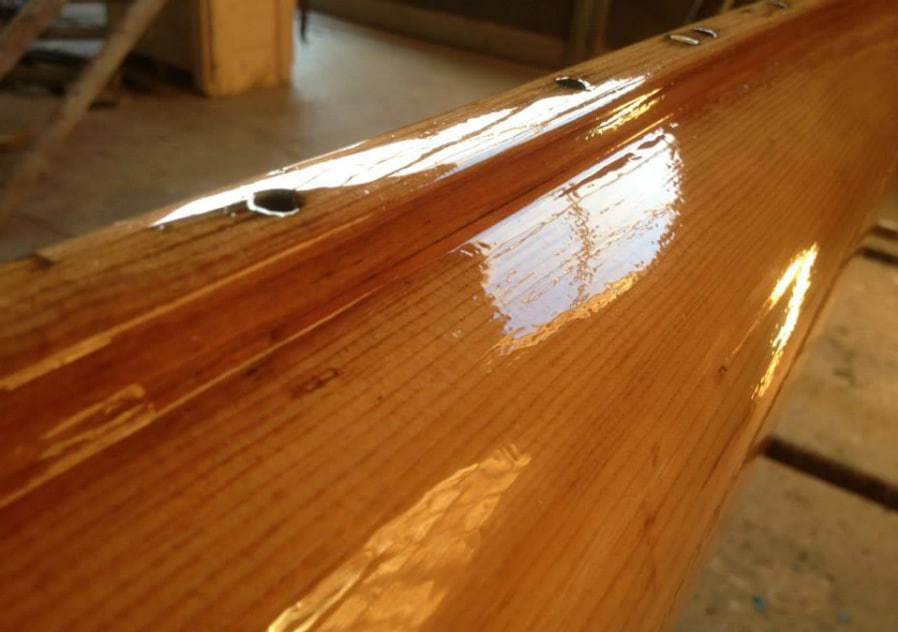
- "EpoxyWood" – Wood Restoration Epoxy Resin for Deep Penetration and WaterproofingOriginal price was: £64.00.£39.85Current price is: £39.85."EpoxyWood" is a wood restoration resin designed for deep penetration and waterproofing of wooden surfaces.
- "Resinstone" – One-Component Methacrylic Resin for Concrete Floors and DrivewaysPrice range: £29.85 through £59.85"Resinstone" is a one-component methacrylic resin designed to seal and protect concrete floors and driveways with a waterproof, durable finish.
 "Trasparente" – Multipurpose Clear Epoxy Resin for Casting – Up to 2cmPrice range: £8.45 through £948.85"Trasparente" is a transparent multipurpose casting epoxy resin suitable for DIY and professional projects requiring a clear, glossy finish up to 2cm…
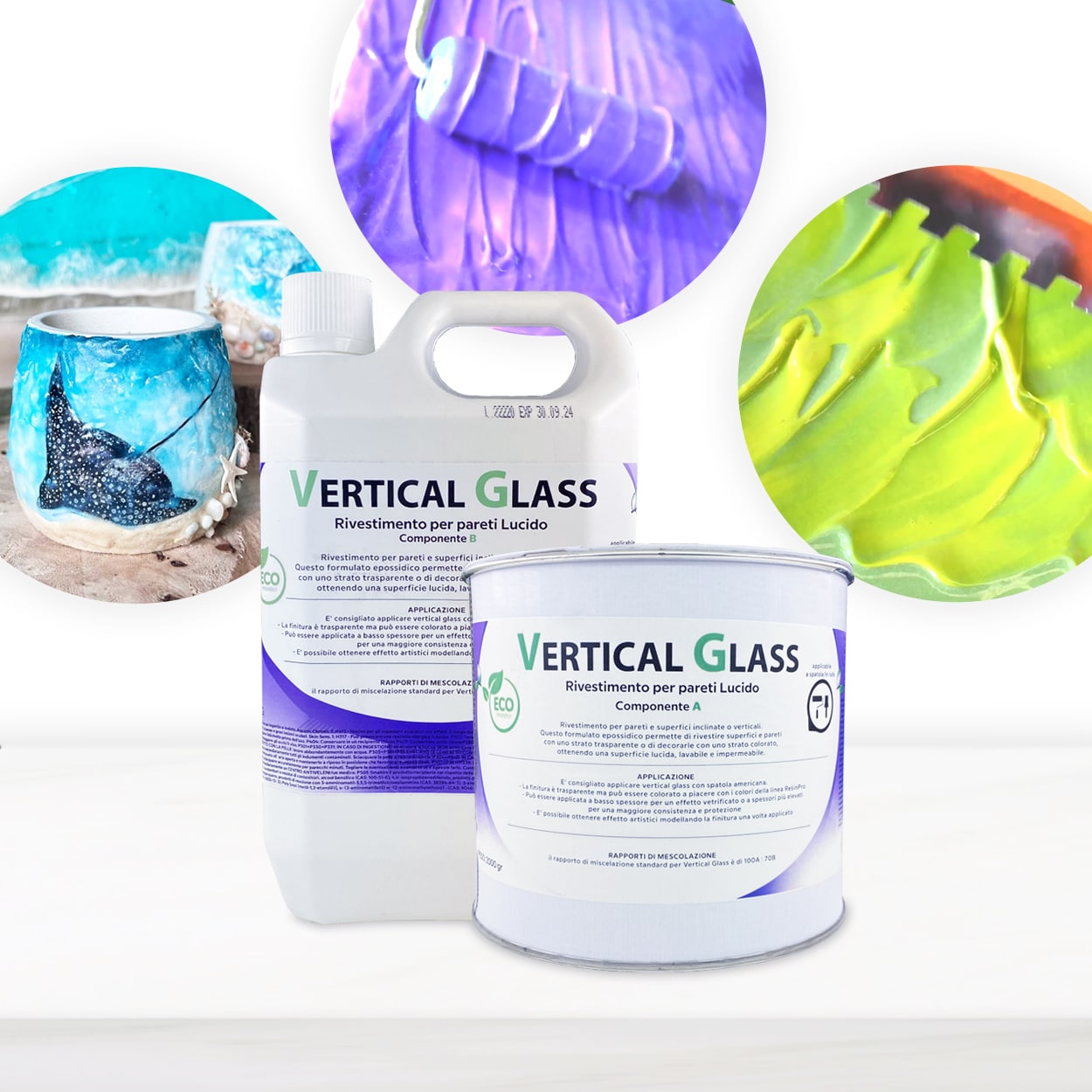 "Vertical Glass" – Thick Resin Decorative Wall CoatingPrice range: £128.85 through £179.85Vertical Glass offers a customisable, waterproof epoxy resin coating, suitable for decorative and robust protection on vertical and sloping surfaces.
Frequently Asked Questions
Is resin waterproof on wood, concrete, and vertical wall surfaces?
Yes, when applied correctly, resin forms a durable, moisture-proof barrier on wood, concrete, and many indoor wall finishes.
Do I need to sand surfaces before applying resin for waterproofing?
Sanding is essential on wood and concrete to enhance adhesion and ensure a secure, long-lasting waterproof coating.
How many coats of resin should I apply to achieve full waterproofing?
One to two coats are usually sufficient; follow product guidelines for your substrate and check for missed areas after the first coat.
How long does resin take to cure and become waterproof?
Initial hardness can be reached in several hours, but it is best to wait 24–72 hours before exposing the surface to moisture or stress.
What are common mistakes to avoid when using resin for waterproofing?
Skipping surface prep, applying too thickly, or not allowing full curing can reduce waterproofing effectiveness and cause defects.
Is it possible to tint or add decorative effects to waterproof resin layers?
Yes, specialised wall resins can be tinted with pigments for custom finishes on vertical or feature surfaces.