 Free shipping on orders over £29,85
  Shipping Tracking!


 Google
 Facebook
← Back to How to glue silicone rubber
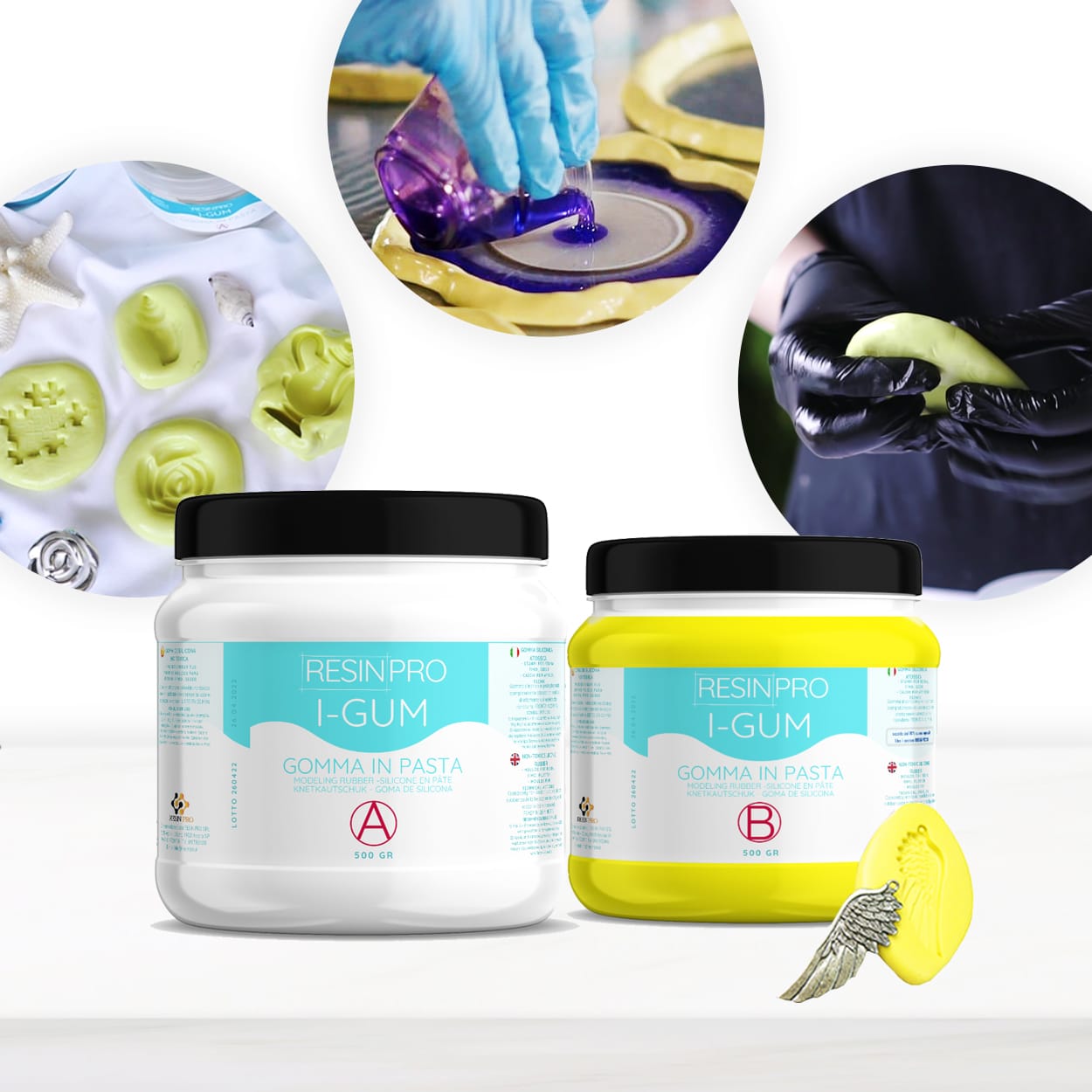
Silicone putty is a versatile material popular in crafts and mould making, but sometimes there’s a need to join two pieces securely. Here’s how to approach bonding silicone putty for your projects.
Is It Possible to Glue Silicone Putty?
Yes, silicone putty can be joined, but it requires the right adhesive and method. Standard glues typically don’t bond well with cured silicone surfaces. Specialised silicone adhesives are designed for this material and provide the best results. Before gluing, ensure both surfaces are fully cured, clean, and free from any dust, oils, or residue for maximum adhesion.
Practical Steps for Bonding
- Clean both surfaces: Use a mild solvent or soapy water and let them dry thoroughly.
- Check that putty is fully cured: Adhesive performance is best on cured, stable silicone.
- Apply silicone adhesive: Use a thin, even layer. Press the pieces together firmly.
- Cure as instructed: Allow recommended curing time according to adhesive instructions.
If you are using a specialist putty like the “I–Gum” – Non-Toxic Silicone Putty for Mould Making, follow the manufacturer’s guidance for best results.
When Bonding Matters Most
Bonding silicone putty is especially useful when repairing moulds, joining large pieces for custom shapes, or fixing accidental breaks. It ensures your projects remain durable and fit for repeated use in resin casting and similar applications.
Related products
Related guides
Successfully gluing silicone putty expands your creative possibilities, whether for repairs or new mould designs. For more detailed techniques, see our main guide on how to glue silicone rubber.