 Free shipping on orders over £29,85
  Shipping Tracking!


 Google
 Facebook
How to embed a dead fish in resin?
Step-by-step process for perfect clear resin fish displays

Embedding a dead fish in resin allows you to create a visually striking and permanent display, often used for taxidermy, fishing trophies, or scientific specimens. This guide outlines how to safely and effectively encase a preserved fish in clear epoxy, achieving professional and long-lasting results. Suitable for experienced resin artists and beginners with careful preparation, it covers important safety notes, detailed steps, and essential troubleshooting tips.
What You’ll Need
- “Epoxytable 10-Ten” – Deep Pour Epoxy Resin for Tables, Up to 10cm Casting for large or thick castings
- “EpoxyTable 5-Five” – Deep Pour Epoxy Resin for Tables and Large Projects – Up to 5cm for moderate-depth projects
- “Trasparente” – Multipurpose Clear Epoxy Resin for Casting – Up to 2cm for small or thin displays
- Dry, preserved fish specimen (ensure thoroughly dehydrated and odour-free)
- Mould for casting the fish and resin
- Nitrile gloves, protective eyewear and apron
- Mixing jugs, spatulas, and silicone spray release (optional)
- Sandpaper (various grits), polishing pads

Workspace and Materials Preparation
Before working with resin, arrange all your materials within arm’s reach. Lay down protective coverings and ensure your area is well ventilated. Wear gloves and eye protection at all times to safeguard against accidental splashes or contact with resin compounds. Organising tools and managing cleanliness will help prevent interruptions and unwanted dust in your finished casting.
Step 1: Prepare and Preserve the Fish
Getting the preservation right is the most critical aspect of embedding a biological specimen. Thoroughly dry and preserve the fish first, as any trapped moisture can cause decay, discoloration, or bubbles in the resin. Specialist methods, such as freeze-drying or desiccant baths, work best for larger specimens. Select a fish free of surface damage and remove all internal organs if possible. Dry with salt, silica gel, or drying agents for several days to weeks depending on size.
Confirm your fish is odourless and completely free from internal moisture before proceeding. Handle with gloves to avoid skin oils contaminating the surface.
Step 2: Prepare Your Workspace and Mould
Resin casting demands precision and safety. Work in a dust-free, controlled environment—well ventilated and away from direct sunlight or damp. Prepare your chosen mould, ensuring it fits the fish with at least 1–2 cm clearance on all sides for optimal encasement. Apply silicone spray or a dedicated release agent to prevent sticking.
Test-fit the dried fish and plan how it will sit in the final display. If needed, arrange supports to keep the fish suspended and its fins in the desired position when pouring resin.
Step 3: Mix and Pour the Resin in Layers
Choose a suitable resin for your project depth. For deep displays with a large specimen, Epoxytable 10-Ten – Deep Pour Epoxy Resin for Tables, Up to 10cm Casting offers excellent clarity and minimises exothermic heat, crucial for thicker pours. Smaller castings may use “EpoxyTable 5-Five” or “Trasparente” for thin layers. Choose your resin layer depth for clarity and safety—never pour a single layer thicker than the product’s maximum specification (usually 2–10cm, depending on resin type and total volume).
Mix according to manufacturer instructions, ensuring a slow, careful blend to avoid air bubbles. Pour a thin base layer of resin first and allow it to partially cure—this prevents the fish from settling all the way to the mould base. Gently place the fish on the tacky resin, then slowly pour additional resin to encase the specimen.
Pour resin in multiple stages if thickness exceeds product guidelines. Allow each layer to reach partial cure before adding the next, reducing heat build-up and preventing bubble formation.
Step 4: Remove Bubbles and Cure the Resin
Trapped air is a common problem when embedding organic items. Immediately after pouring, use a heat gun or torch gently over the resin surface to release bubbles. Be careful not to overheat or scorch the resin. For best results, tap or vibrate the mould to dislodge hidden bubbles near the fish.
Allow curing in a dust-free space, covered if possible, and leave undisturbed for the recommended time (often 24–72 hours per layer, depending on resin type and environmental conditions). Avoid moving the mould while curing to prevent distortion or air entrapment.
Step 5: Demould and Finish the Display
Once completely cured, gently remove the resin block from the mould. If edges are uneven or dull, sand through progressively finer grits (beginning with 400 and advancing to 2000 or finer). Use polishing compound or pads to restore a glass-like finish. Any surface tackiness indicates incomplete curing—allow more time if needed before handling.
Clean your finished project with a soft cloth. For a final professional touch, consider mounting the resin block on a stand or integrating it into a larger art or trophy piece.
Tips, Common Mistakes and Troubleshooting
- Plan the entire process and test with a dummy specimen first if possible.
- Avoid rushing the drying of the fish—residual moisture is a leading cause of cloudiness and biological spoilage.
- Always use gloves and eye protection when handling resin and curing agents.
- Never exceed the depth recommendations for your chosen resin to prevent overheating, cracking or yellowing.
- Cure one layer at a time for thicker castings to avoid trapped heat and exothermic runaway.
- Store your finished pieces away from direct sunlight to minimise UV-induced discolouration over many years.
Advanced Resin Embedding Examples
Professionals often experiment with multi-layer embedding, coloured pigments or natural backgrounds for enhanced artistic effect. Practice with smaller objects before attempting larger specimens to master bubble removal and clean finishes. Review product-specific instructions for the best optical clarity and maximum casting depth, especially when displaying irregular objects like fish.

- “Epoxytable 10-Ten” – Deep Pour Epoxy Resin for Tables, Up to 10cm CastingPrice range: £33.85 through £334.85“Epoxytable 10-Ten” is designed for deep pour resin projects such as tables with casting up to 10cm thickness.
- "EpoxyTable 5-Five" – Deep Pour Epoxy Resin for Tables and Large Projects – Up to 5cmPrice range: £16.85 through £1,099.85"EpoxyTable 5-Five" is suited for deep pour projects up to 5cm, offering clarity and scratch resistance within this theme.
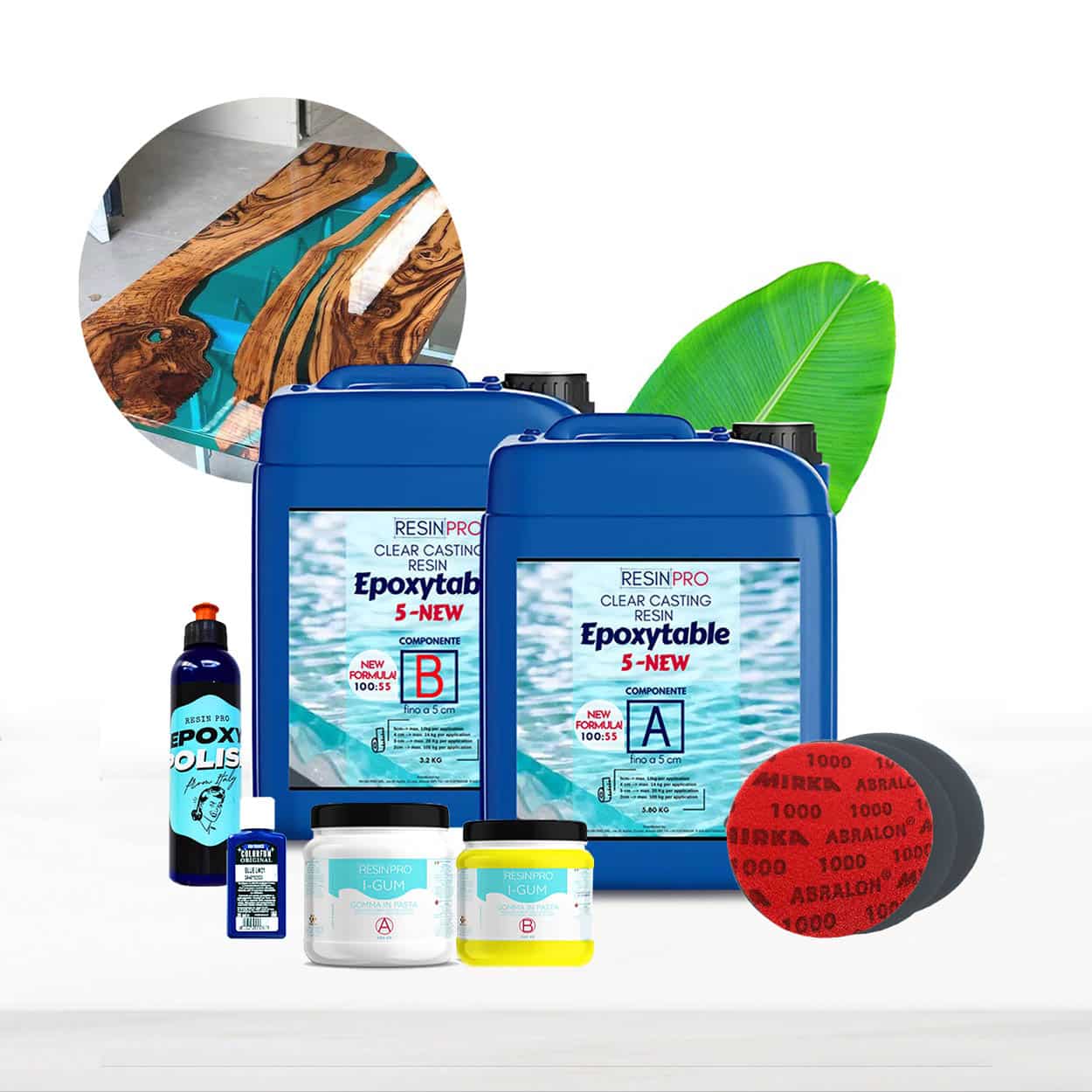 "River-Table" – Complete Kit for Creating Your First Epoxy Resin TablePrice range: £188.85 through £444.85"River-Table" kit provides materials and instructions to create a wood and resin table, suitable for beginners and modern craft projects.
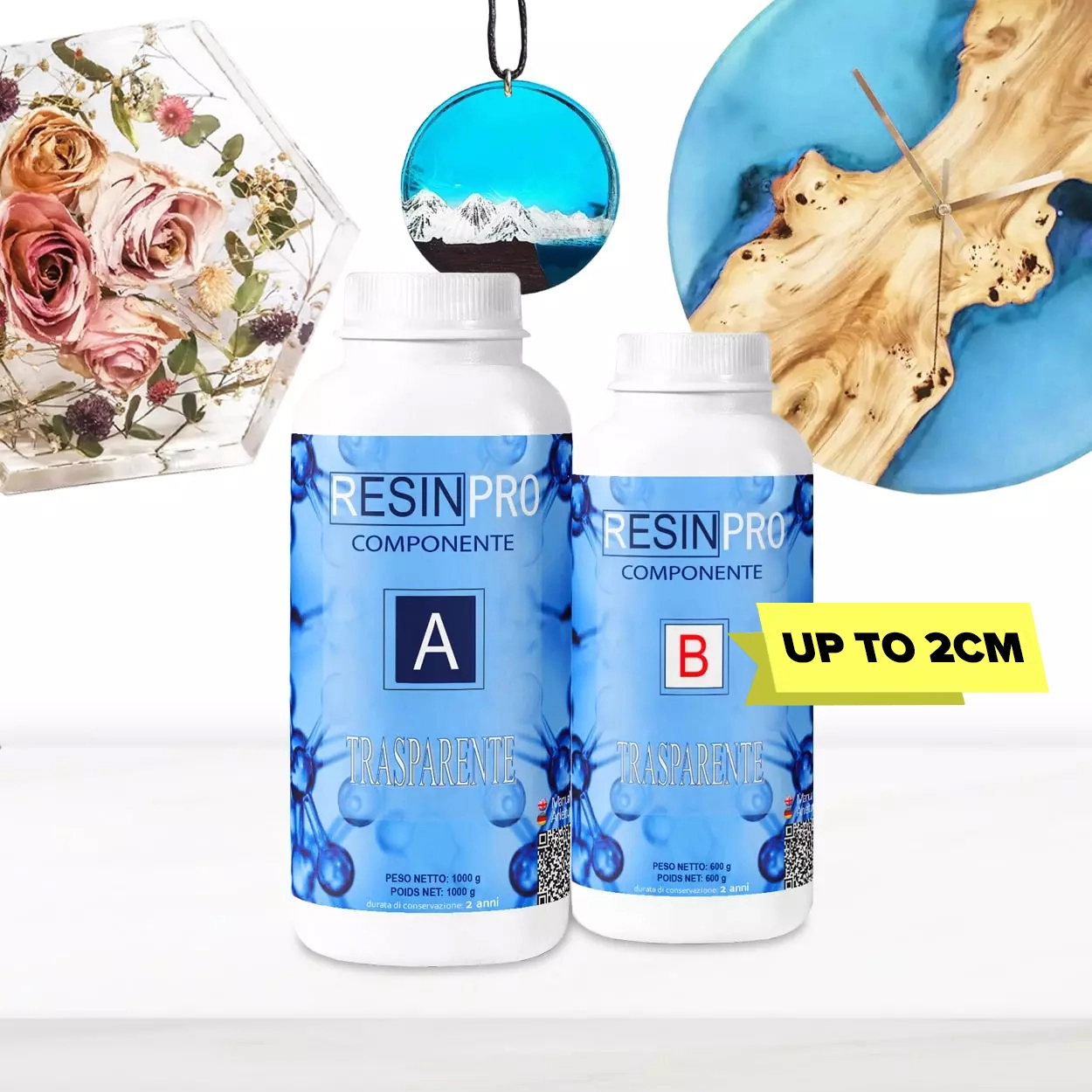 "Trasparente" – Multipurpose Clear Epoxy Resin for Casting – Up to 2cmPrice range: £8.45 through £948.85"Trasparente" is an ultra-clear, scratch-resistant casting epoxy resin suitable for detailed projects and layers up to 2 cm in this embedding theme.
Frequently Asked Questions
Can any fish be embedded in resin?
Only properly preserved and thoroughly dried fish should be embedded. Moisture or decay can ruin the cast and create odours.
How do I avoid bubbles around the fish?
Work slowly, pour in layers, and use a heat gun to gently remove surface bubbles after each pour.
What’s the maximum depth per resin pour?
Follow the manufacturer's advice. Deep pour resins like Epoxytable 10-Ten support up to 10cm per layer; standard resins less.
How long does the resin need to cure?
Curing takes from 24 to 72 hours per layer and depends on resin type, room temperature, and casting thickness.
How do I demould and finish the cast?
Gently remove after full curing. Sand and polish any rough surfaces for a clear, bright finish.
Why did my embedded fish turn cloudy?
Cloudiness usually results from trapped moisture in the specimen or insufficient resin mixing. Proper drying is crucial.
Is household resin suitable for specimens?
Always use professional-grade casting resins for embedding biological items. DIY types may cure too fast or lack clarity.