 Free shipping on orders over £29,85
  Shipping Tracking!


 Google
 Facebook
← Back to How to embed animals in resin
Yellowing is a common concern when embedding animals or other objects in resin. Taking the right steps—and choosing suitable products—helps preserve the original clarity and integrity of your creations for years to come.
Understanding Resin Yellowing and Its Causes
Over time, most epoxy resins will naturally discolour to some degree. The main culprit behind yellowing is exposure to ultraviolet (UV) light, which gradually alters the resin at a molecular level. Heat and certain chemicals can also accelerate this process. Not all resins are equally affected, as modern formulas often contain UV filters to provide added protection.
How to Minimise Yellowing: Resin Selection and Care
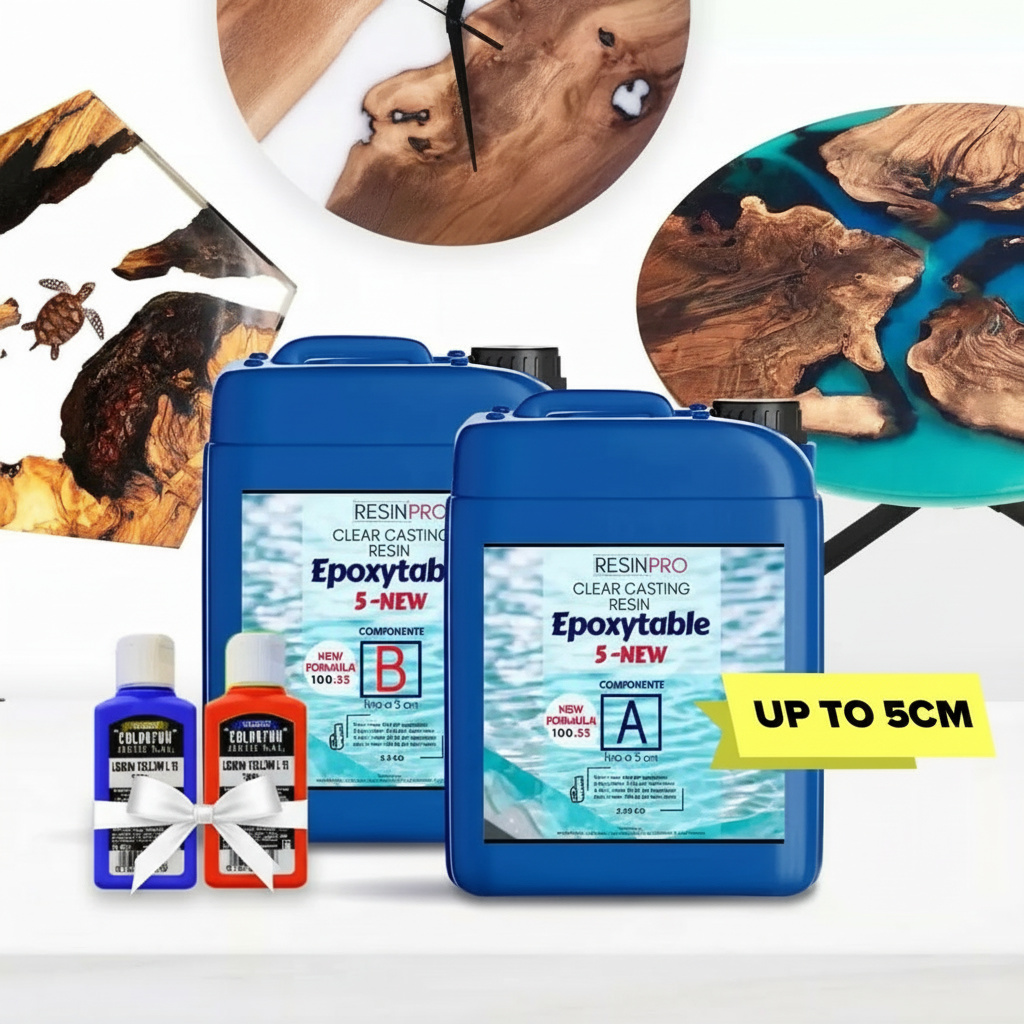
- Choose a resin with UV resistance: Resins designed with integrated UV filters, such as “Trasparente” or “EpoxyTable 5-Five”, provide enhanced defence against yellowing. Look for clear, multipurpose resins specifically formulated to maintain clarity for extended periods.
- Shield from sunlight: Finished resin casts should be kept out of direct sunlight, especially in display settings. Even UV-resistant resin is best preserved in shaded or indoor areas.
- Store and clean with care: Avoid leaving your castings in high-heat areas and clean only with mild, non-abrasive products to prevent surface degradation.
When Preventing Yellowing Really Matters
UV resistance is especially important for memorial pieces, collector items and displays where long-term clarity is essential. This is particularly relevant when showcasing intricate or meaningful animal embeds that should look their best for years to come.
Related products
Related guides
Preventing yellowing in animal resin embeds comes down to smart resin choices and sensible care. For more tips and in-depth techniques on the embedding process, see our main guide on how to embed animals in resin.