 Free shipping on orders over £29,85
  Shipping Tracking!


 Google
 Facebook
how to embed writing in resin
A step-by-step guide for crisp, clear embedded text

Embedding writing in resin lets you preserve special messages, calligraphy, or meaningful quotes in strikingly clear, lasting artworks or keepsakes. This guide will walk you through every stage, from preparing your materials to pouring resin around your chosen text, so you can achieve sharp, legible results in jewellery, decor, personalised gifts, plaques and more.
What You’ll Need
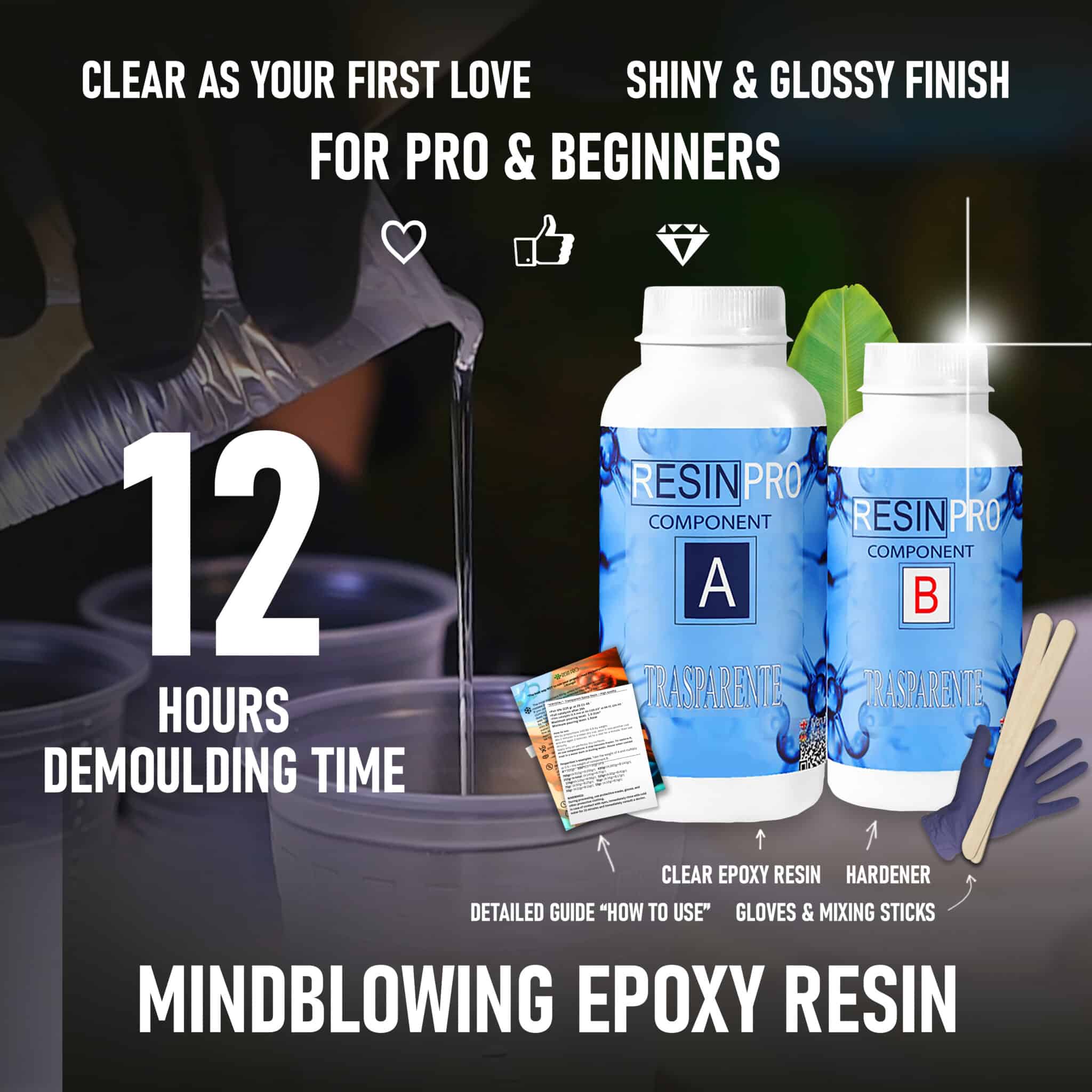
- “Trasparente” – Multipurpose Clear Epoxy Resin for Casting – Up to 2cm – for most small to medium embedding projects.
- “Icrystal” – Clear Epoxy Resin – Odourless Formula – Up to 1.5cm – best for shallow pours or when minimal odour is required.
- “EpoxyTable 5-Five” – Deep Pour Epoxy Resin for Tables and Large Projects – Up to 5cm – ideal for thick, large castings.
- “River-Table” – Complete Kit for Creating Your First Epoxy Resin Table – for table-sized projects with everything included.
- Printing or writing paper (laser-printed or inkjet, fully dry)
- Clear-drying sealant (e.g. PVA glue, acrylic medium, or spray varnish)
- Popsicle sticks, gloves, mixing cups, level mould or project base, and a heat gun or torch (for bubble removal)

See Writing Embedded in Crystal-Clear Resin
Notice how embedded text maintains sharpness and depth when surrounded by a glossy, bubble-free resin layer. Proper resin choice and sealing methods produce results with no distortion or ink running, suitable for creative art and custom gifts. For best clarity, choose a transparent casting resin specifically designed for embedding.
Step 1: Prepare and Seal the Written Material
Begin by printing or handwriting your chosen text onto a clean, dry piece of paper. Lightweight card or high-quality paper works best for clarity and minimal distortion once embedded. To prevent ink bleeding or moisture damage, seal paper or card thoroughly—cover both sides and edges with a thin layer of clear-drying sealant such as PVA glue, acrylic medium, or spray varnish. Allow to dry fully.
Check for an even, glossy coat and repeat the process if necessary, ensuring all exposed paper fibre is protected. Well-sealed writing will remain sharp and legible once covered with resin.
Step 2: Mix and Pour the First Resin Layer
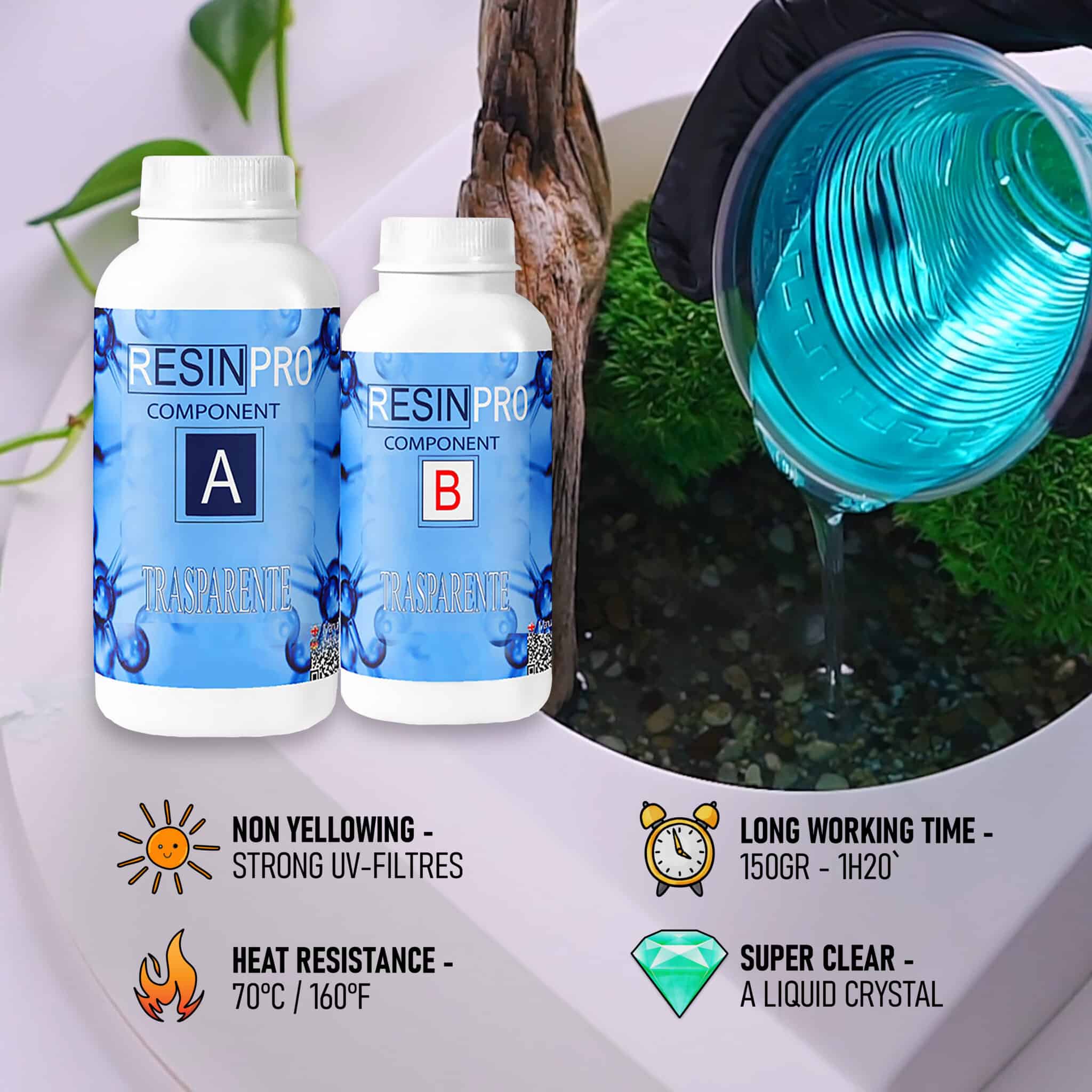
Set up your mould or project base on a level surface. Prepare your resin following the manufacturer’s instructions for precise mixing ratios and timings. For most projects, a highly transparent formula is vital—consider using “Icrystal” – Clear Epoxy Resin – Odourless Formula – Up to 1.5cm if working indoors or aiming for a shallow, flawless finish.
Pour just enough resin to form a thin base layer (1–2mm thick) in your mould. This anchors your writing and helps to prevent bubbles from forming around it later. Allow this layer to begin to set so it becomes tacky to the touch—usually 2–4 hours, depending on the resin.
Step 3: Position and Secure the Writing
Once the base layer is tacky, gently position your sealed writing onto the resin. Press out any trapped air beneath the paper or card, taking care not to tear or crease it. For dimensional effects, you can suspend writing mid-pour with spacer supports or sandwich it between layers.
Ensure the text is exactly where you want it, as adjustments after the next pour become difficult.
Step 4: Encapsulate the Writing with Resin
Mix a fresh batch of resin—“Trasparente” – Multipurpose Clear Epoxy Resin for Casting – Up to 2cm is a go-to choice for crystal clarity, or opt for “EpoxyTable 5-Five” – Deep Pour Epoxy Resin for Tables and Large Projects – Up to 5cm for deeper pours. Use slow, steady pours to cover the writing fully, and avoid pouring too thickly—too much at once raises the risk of overheating or bubbles.
If using a complete kit for a large piece, such as a resin river table, “River-Table” – Complete Kit for Creating Your First Epoxy Resin Table includes all materials and step-by-step instructions, simplifying pour management and material compatibility.
Remove air bubbles promptly with a heat gun or torch held a safe distance, taking care not to scorch or move the delicate text.

Step 5: Cure, Demould, and Finish
Allow the resin to cure in a dust-free, well-ventilated space. Follow the recommended cure time based on resin type and pour thickness—avoid touching or moving the project during this time to maintain maximum clarity.
Once cured, gently demould your project. Sand any sharp edges if needed, and polish for extra brilliance. The writing should now be fully encapsulated and sharply visible within the resin.
Tips and Common Mistakes to Avoid
- Mind the thickness limit—never exceed the manufacturer’s recommended pour depth to prevent heat build-up, clouding, or surface distortion.
- Avoid heat near delicate text—overheating can warp, discolour, or damage embedded writing. Always use gentle bubble removal techniques.
- Don’t forget to seal edges and both sides of paper before embedding, or moisture from the resin can cause ink bleed or cloudiness.
- Test unfamiliar paper or ink types with a small sample pour before committing to your main design.
Examples of Embedded Writing Projects
Embedded writing in resin brings a personal touch to gifts, signage, and jewellery. Whether using a clear epoxy resin for keepsakes or a deep pour resin for statement art pieces, practice and patience ensure stunning results.

- "Trasparente" – Multipurpose Clear Epoxy Resin for Casting – Up to 2cmPrice range: £8.45 through £948.85"Trasparente" resin is suitable for embedding writing and detailed casting projects with up to 2cm thickness, offering a clear, glossy finish.
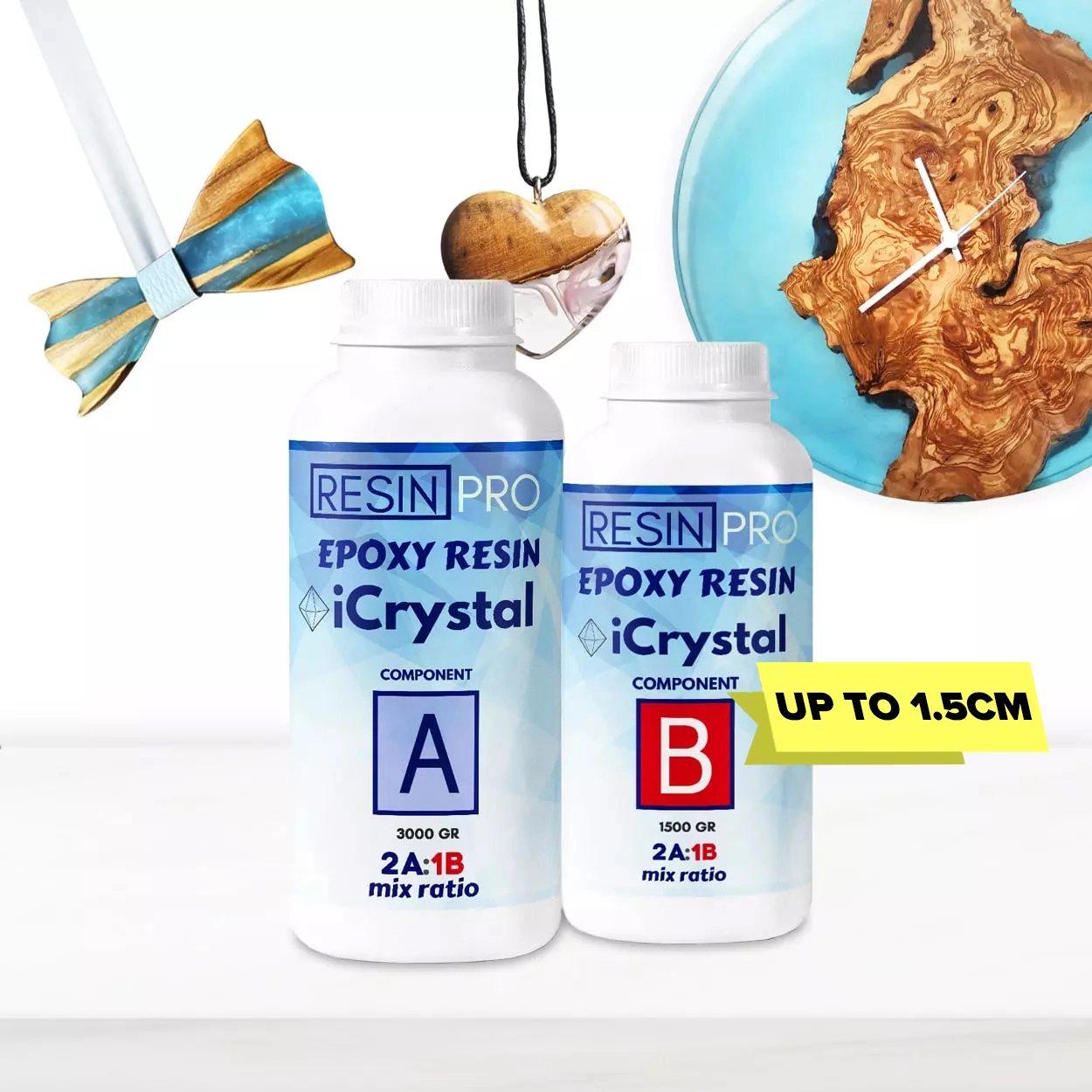 "Icrystal" – Clear Epoxy Resin – Odourless Formula – Up to 1.5cmPrice range: £11.65 through £954.85"Icrystal" offers a transparent, odourless epoxy resin suitable for crafting clear layers up to 1.5cm, fitting this theme.
 "EpoxyTable 5-Five" – Deep Pour Epoxy Resin for Tables and Large Projects – Up to 5cmPrice range: £16.85 through £1,099.85"EpoxyTable 5-Five" is a deep pour epoxy resin designed for tables and large projects, suitable for embedding writing in resin.
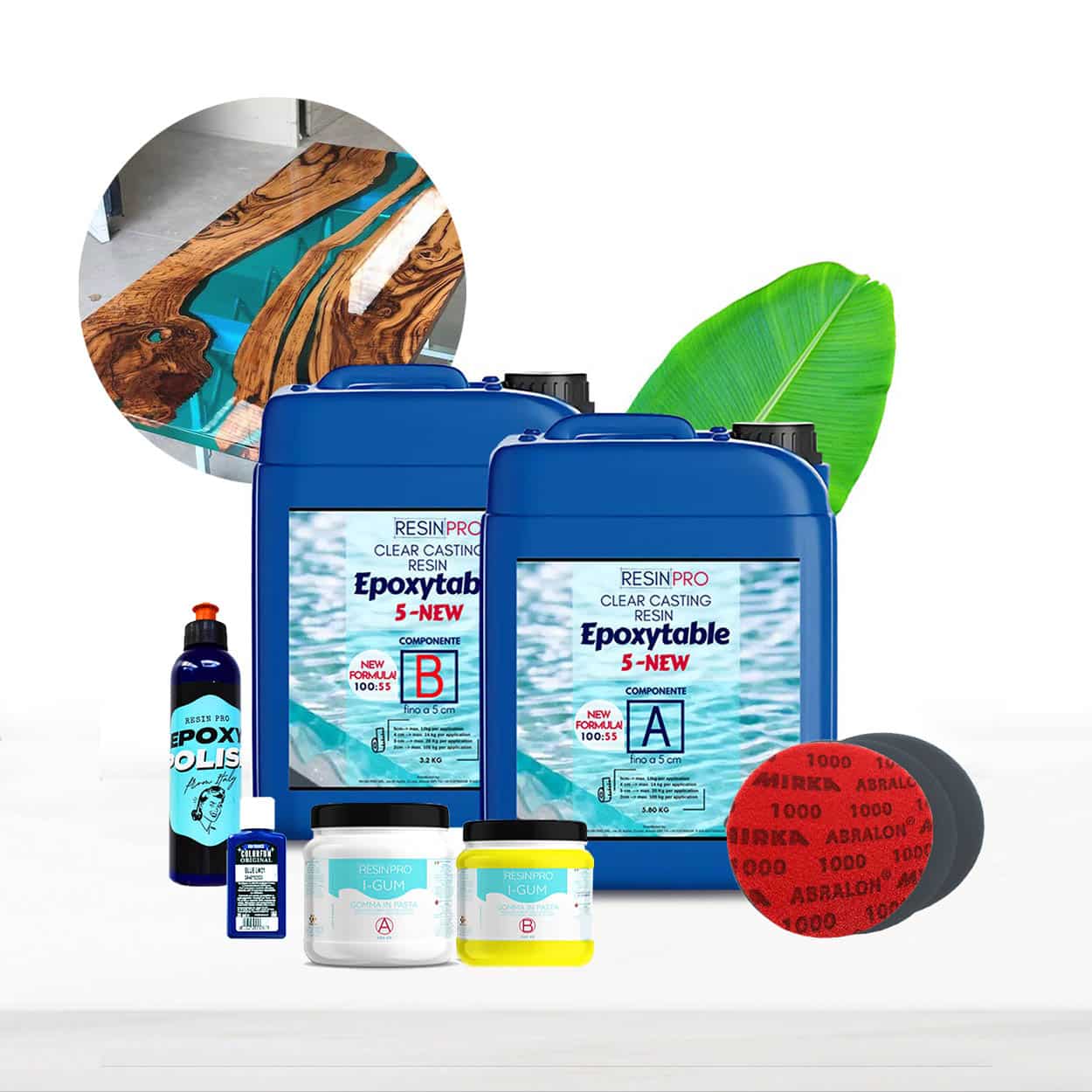 "River-Table" – Complete Kit for Creating Your First Epoxy Resin TablePrice range: £188.85 through £444.85"River-Table" kit includes materials and instructions for creating a wood and resin table, suitable for embedding writing in resin projects.
Frequently Asked Questions
Can you embed printed paper in resin?
Yes, just ensure the paper is fully sealed with a clear-drying medium to prevent ink bleeding and maintain sharp text.
How do you prevent bubbles around embedded writing?
Pour resin slowly and use a heat gun or torch gently to release any trapped air, especially around paper edges.
Why must paper be sealed before embedding?
Sealing prevents resin from soaking in, which can cause ink bleeding, cloudiness, or distorting the writing.
Which resin is best for thick embedded writing?
Use a deep pour resin designed for 2–5cm layers, such as "EpoxyTable 5-Five", to maintain clarity without overheating.
Can you embed handwritten notes in resin?
Absolutely, as long as the ink is dry and the note is sealed; handwriting is ideal for keepsakes and memorial projects.
Is odourless resin better for papercraft embedding?
Odourless resin makes indoor projects more comfortable, great for jewellery and small plaques using sensitive materials.