 Free shipping on orders over £29,85
  Shipping Tracking!


 Google
 Facebook
← Back to how to embed objects in resin
Achieving a flawless, crystal-clear resin finish begins well before your first pour. One of the simplest yet most important steps is ensuring your objects and work area are completely free of dust and tiny particles before embedding.
Why Dust Matters in Resin Work
Even the finest particles of dust can cause small imperfections, bubbles, or a hazy appearance within your finished resin piece. These flaws can be particularly obvious in high-gloss projects or when embedding objects like flowers, stones, or memorabilia. By thoroughly cleaning all surfaces and items you intend to embed, you minimise the risk of unsightly marks that are difficult to remove once cured.
How to Effectively Remove Dust
- Clean objects: Wipe each object to be embedded with a lint-free cloth or soft brush. For intricate items, consider compressed air.
- Prep your moulds and workspace: Ensure all tools, moulds, and your work surface are dust-free. Clean them with a damp microfibre cloth and let them dry fully.
- Minimise disturbances: Work in a still, clean environment. Avoid fans or open windows that may circulate dust while pouring your resin.
Practical Tips for a Smooth Epoxy Finish
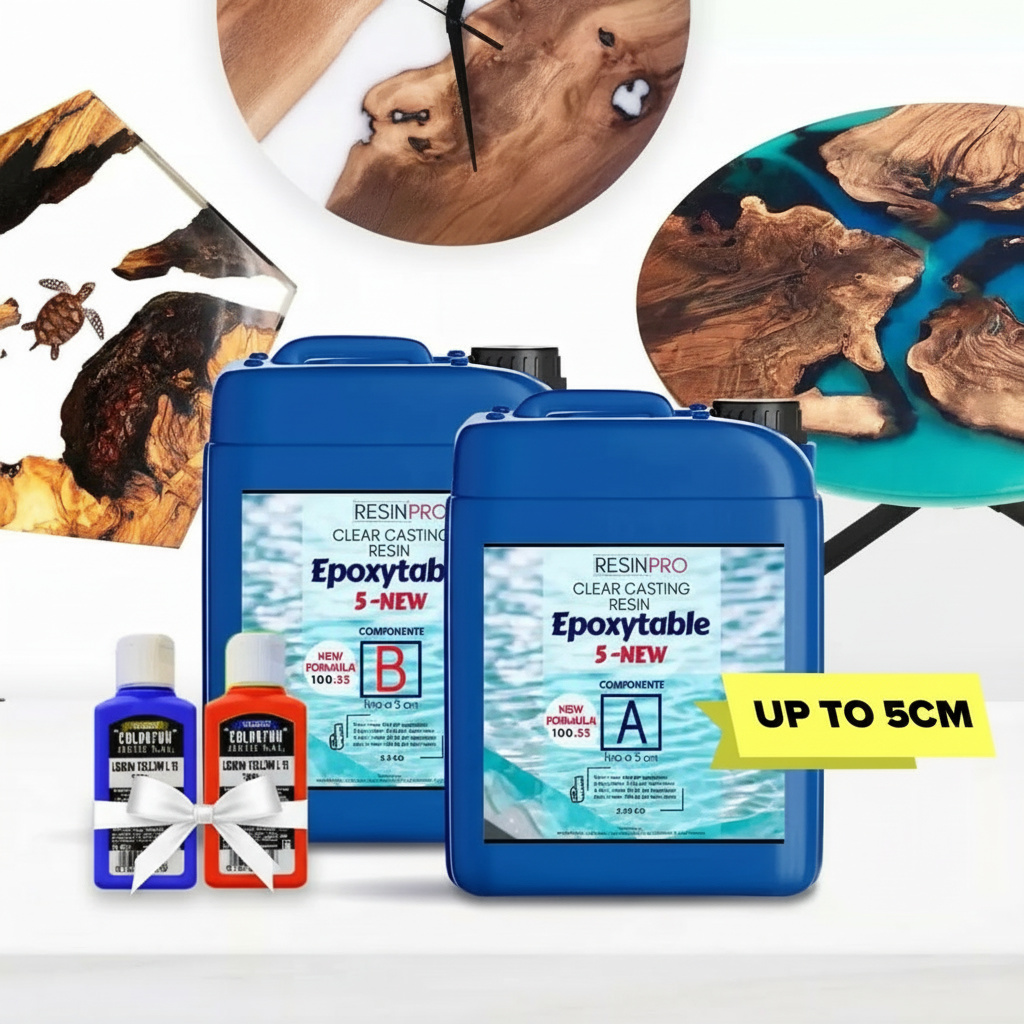
Poor preparation can lead to persistent flaws, even with the highest quality resin. For layers up to 5cm thick, EpoxyTable 5-Five is designed for crystal-clear results, but it will only achieve its best if surfaces are immaculate. Allow dust to settle after cleaning, and give your piece a final wipe-down just before pouring to capture any missed particles.
When Meticulous Cleaning Really Matters
Detailed cleaning is especially important when working with transparent resins or embedding delicate items, where even the smallest flaw will show. Taking a few minutes for thorough dust removal can make all the difference in the final clarity and professional feel of your piece.
Related products
Related guides
By carefully wiping away dust and preparing your workspace, you’ll lay the foundation for impeccable results when embedding objects in resin. For more in-depth advice and products, explore the full guide on how to embed objects in resin.