 Free shipping on orders over £29,85
  Shipping Tracking!


 Google
 Facebook
← Back to How do you remove resin residue?
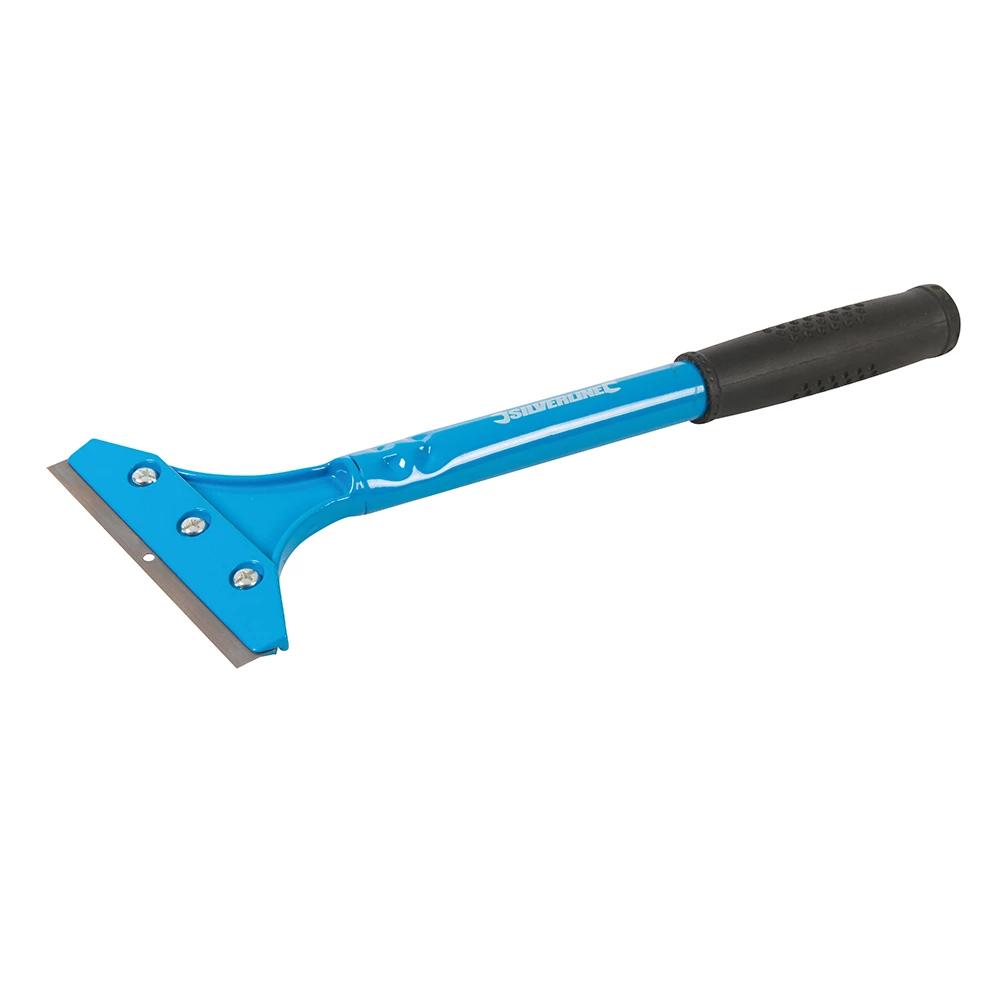
Hardened resin residue can present a particular challenge, but with careful technique and the right tools, you can return your surfaces or tools to a clean state. Here’s how to approach it safely and effectively.
Scraping Off Cured Resin
When resin has fully set, the most reliable removal method is mechanical scraping. Always use a tool designed for removing tough residues from hard surfaces, like the Heavy Duty Scraper for Paint and Epoxy Resin Removal. Apply steady pressure and keep the blade angled to avoid scratching the underlying surface, especially on delicate finishes. For glass or tiles, a window scraper with a sharp blade can work well, but take care to keep fingers safe and replace blades as needed.
Surface Cleaning After Scraping
Once most of the residue has been removed, stubborn traces may remain. Applying a small amount of isopropyl alcohol (99.9% pure) can help soften and dissolve any lingering film. On surfaces or tools where you want a gentler, solvent-free approach, try a natural technical degreaser. These are especially useful for multi-surface cleaning and are formulated to be kind to both surfaces and skin.
When This Matters Most
Act quickly after spotting cured resin, as older residues can bond tightly to surfaces. Efficient removal is crucial for maintaining tools, reusing moulds, or preserving the clarity of glass and tiles in art or renovation projects.
Related products
Related guides
Tackling hardened resin residue needn’t be daunting with the right approach and safe products. For more guidance on cleaning up resin in all its forms, see the main advice at How do you remove resin residue?.