 Free shipping on orders over £29,85
  Shipping Tracking!


 Google
 Facebook
← Back to How do you remove resin residue?
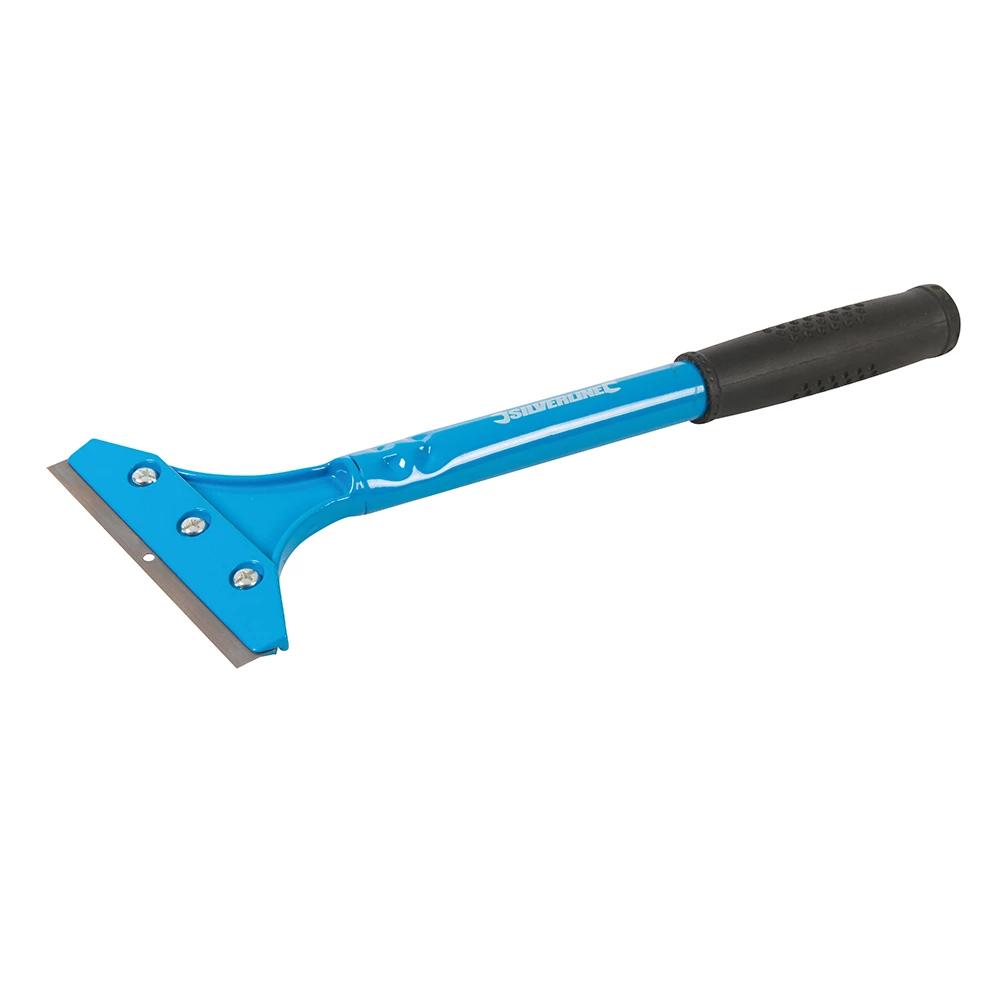
Removing resin or paint residue from wood furniture can be fiddly, and it’s natural to wonder if scrapers are a safe solution. With the right technique and tool selection, you can often use scrapers while protecting your wood’s surface from unwanted marks.
Choosing the Right Scraper
To avoid damaging wood furniture, opt for a fine, sharp blade rather than a heavy or abrasive scraper. Tools like the Heavy Duty Scraper for Paint and Epoxy Resin Removal offer control and precision, minimising the risk of gouges. Always check the blade’s sharpness and condition before use—dull or bent blades are more likely to scratch wood than clean ones.
Careful Technique for Safe Removal
Apply gentle, even pressure and keep the blade at a shallow angle to the wood. It’s better to make several light passes than to force the blade, which can leave visible marks. If residue is stubborn, you can soften it by dabbing with a small amount of natural degreaser or isopropyl alcohol, then carefully resume scraping once the area is lightly cleaned. Always test any liquid cleaner on an inconspicuous spot first.
When This Matters: Dealing with Delicate Finishes
Using scrapers is especially relevant if the resin residue is cured and cannot be wiped away with a cloth alone. Take extra care on antique or varnished wood, as finishes may be easily scratched; in such cases, try softening the resin first or consult a restoration specialist.
Related products
Related guides
Scrapers can be used on wood furniture with caution, helping to remove resin residue effectively. For more tips on safe cleaning techniques, see our main guide on how to remove resin residue.