 Free shipping on orders over £29,85
  Shipping Tracking!


 Google
 Facebook
How do you remove resin residue?
Practical techniques for tackling stubborn resin deposits


Tackling resin residue is essential to keep your tools, moulds, and surfaces spotless during and after epoxy resin projects. Whether you are a hobbyist or professional, learning the safest ways to remove stubborn epoxy or resin remnants can help you maintain your equipment, avoid scratches, and ensure every piece looks its best.
What You’ll Need
- Pure Isopropyl Alcohol 99.9% – 1000ml Bottle for Epoxy Resin Projects & DIY – For cleaning tools, silicone moulds, and softening fresh resin residue.
- Strong Technical Degreaser for Resin Projects – 100% Natural Formula – Used on various surfaces to lift cured or greasy resin stains without harsh chemicals.
- Scraper for Paint & Dry Resin Removal – 10 Double-Sided Blades – Ideal for safely removing dry resin on glass and smooth, flat surfaces.
- Heavy Duty Scraper for Paint and Epoxy Resin Removal – For stubborn residues and large surface areas, especially flooring or wall coverings.
- Protective gloves, cloths, and goggles for safety.

Tools and Materials in Action
Resin removal is made easier with the right tools. See how isopropyl alcohol, plant-based degreasers, and scrapers can work together to restore surfaces efficiently and safely. Protective wear is as important as the cleaning agent you use.

Step 1: Assess the Surface and Resin Type
Before selecting your approach, consider whether the resin residue is fresh or cured. Fresh or tacky resin is generally easier to remove, while fully cured resin requires more effort. Determine the underlying surface type as well—glass, metal, silicone, or wood—since some methods may cause damage on delicate finishes. Always work in a well-ventilated area and wear gloves to avoid skin contact.
Step 2: Wipe Away Fresh Resin with Alcohol or Degreaser
If the residue is still sticky or not fully set, act quickly for the easiest clean-up. Dampen a clean cloth with Pure Isopropyl Alcohol 99.9% and gently rub the affected area until the resin lifts. Isopropyl alcohol evaporates quickly, leaving minimal residue behind.
On surfaces sensitive to solvents or when a non-chemical method is preferred, apply a small amount of Strong Technical Degreaser for Resin Projects. Its plant-based formula breaks down greasy or resinous deposits without damaging skin or most surfaces.
Step 3: Remove Cured Resin Mechanically with a Scraper
For residue that has hardened, mechanical removal is often the most reliable solution. Choose the appropriate scraper based on the area and delicacy of the surface. Use the Scraper for Paint & Dry Resin Removal for glass or other smooth surfaces; its double-sided blades allow for fine control. Hold the scraper at a shallow angle and apply even, gentle pressure to avoid scratching.
For large, tough, or textured surfaces, the Heavy Duty Scraper for Paint and Epoxy Resin Removal provides greater leverage and a razor-sharp blade ideal for floors, tiles, or outdoor materials. Work slowly to prevent gouging or damaging the surface underneath.

Step 4: Clean and Finish the Surface
After bulk removal, wipe down the area with a cloth dampened with isopropyl alcohol or a gentle degreaser to eliminate any remaining haze or streaks. This final step ensures the surface is free of sticky residue and ready for painting, refinishing, or display. Allow the area to air dry, checking for any spots that may require a repeat clean-up process.

Tips, Mistakes, and Troubleshooting
Act promptly for best results—tackling residue before it fully cures makes removal much easier. Test on a small area first to ensure your cleaning method will not damage delicate surfaces. Avoid excessive force when scraping—let the tool do the work to prevent scratches. Proper safety precautions, including gloves and ventilation, are especially important when working with alcohol or chemical cleaners. If stubborn areas persist, repeat the process and alternate between chemical and mechanical methods for optimal results.
Before and After: Real-World Results
Notice the difference between a resin-stained surface and one restored with these methods. Using the correct products and techniques ensures pristine results without damaging sentimental projects or valuable tools.

- Pure Isopropyl Alcohol 99.9% – 1000ml Bottle for Epoxy Resin Projects & DIYPrice range: £9.85 through £19.85Pure Isopropyl Alcohol 99.9% is suitable for epoxy resin projects, removing bubbles and aiding creative resin effects.
- Strong Technical Degreaser for Resin Projects – 100% Natural FormulaOriginal price was: £10.00.£8.85Current price is: £8.85.Strong Technical Degreaser effectively cleans epoxy resin projects using a natural formula suitable for multiple surfaces with gentle, hypoallergenic…
- Scraper for Paint & Dry Resin Removal – 10 Double-Sided Blades£4.65The Scraper is designed for removing paint and dry resin from windows and smooth surfaces, suitable for both professionals and DIY users.
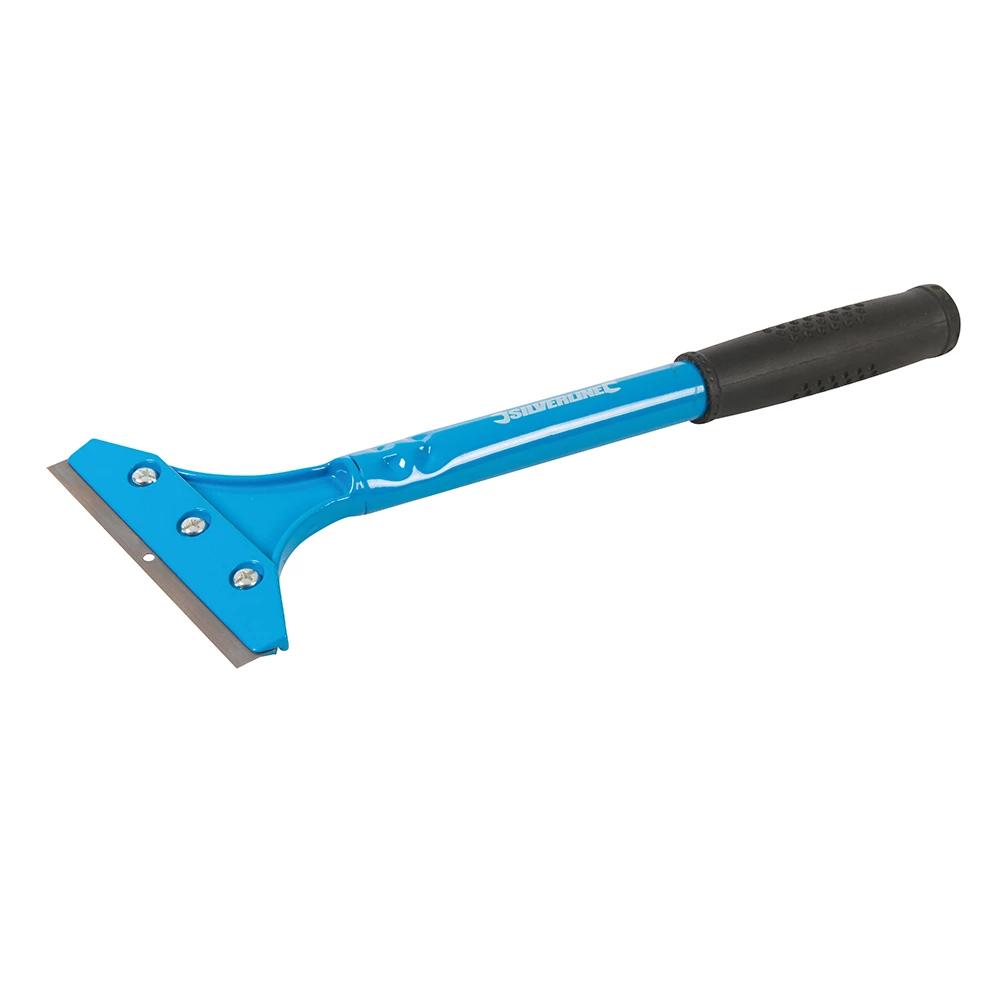 Heavy Duty Scraper for Paint and Epoxy Resin Removal£8.35Heavy Duty Scraper offers a lightweight, razor-sharp tool suitable for removal of paint and resin residue in renovation tasks.
Frequently Asked Questions
Does isopropyl alcohol remove sticky resin?
Yes, isopropyl alcohol is effective for wiping away uncured or sticky resin from surfaces and tools.
How do you remove resin from glass or windows?
Use a suitable scraper with gentle pressure, followed by cleaning the surface with isopropyl alcohol for best results.
What if the resin residue has hardened?
Cured resin usually requires careful mechanical scraping and possibly degreaser or alcohol for complete removal.
Is the degreaser safe for sensitive surfaces?
Plant-based degreasers are generally gentle, but you should always test on an inconspicuous spot first.
Can I use scrapers on wood furniture?
Use caution; select a fine, sharp blade and minimal pressure to avoid marking the wood.
How can I prevent resin residue build-up?
Clean up immediately after working with resin and use release agents on moulds to minimise future build-up.