 Free shipping on orders over £29,85
  Shipping Tracking!


 Google
 Facebook
How do you clean resin floors?
Simple steps to maintain flawless, gleaming resin floors


Resin floors are popular for their sleek appearance, durability, and ease of maintenance. Cleaning your resin floor properly preserves its lustre, protects its structure, and prevents damage that can dull the finish over time. This guide walks you through safe and proven methods for keeping your resin flooring spotless, shiny, and in top condition whether at home, in garages, workshops or commercial environments.
What You’ll Need
- Strong Technical Degreaser for Resin Projects – 100% Natural Formula: A natural, gentle degreaser ideal for removing grease and silicone from resin surfaces.
- Pure Isopropyl Alcohol 99.9% – 1000ml Bottle for Epoxy Resin Projects & DIY: Suitable for stubborn marks and streak-free cleaning.
- “Epoxy Polish” – Epoxy Resin Polishing System: For restoring gloss and removing fine scratches if your floor has dulled.
- Coloured Microfibre Cloths – Pack of 10 Multi-Coloured Cleaning Cloths: Lint-free, reusable cloths for a gentle, non-abrasive clean.
- Broom or vacuum cleaner (soft brush attachment)
- Buckets, warm water, optional mop with microfibre head
- Protective gloves (optional for sensitive skin)

Visual Guide: Tools and Materials for Resin Floor Cleaning
See key cleaning products—like gentle degreasers and lint-free microfibre cloths—used in action on resin floors. Notice how the right tools prevent scratches and enhance shine while keeping surfaces hygienic.

Step 1: Remove Debris and Dust Regularly
Before any wet cleaning, thoroughly sweep your resin floor with a soft broom or use a vacuum with a brush attachment to lift dust, soil, and loose particles. This stops grit being dragged across the surface during cleaning, preventing scratches and premature wear. Make this dry clean a routine part of your floor maintenance schedule, ideally daily in high-traffic areas.
For spot removal of sticky residues or marks, a Coloured Microfibre Cloth can be dampened and gently wiped over the patch. Always ensure the cloth is clean and free from abrasive debris before use.
Step 2: Use Gentle Cleaners, Not Harsh Chemicals
Mix a mild cleaning solution using warm water. Avoid caustic, acidic, or bleach-based products which can cloud or permanently damage resin finishes. For greasy marks, shoe scuffs, or stains, apply Strong Technical Degreaser for Resin Projects – 100% Natural Formula with a damp microfibre cloth. This natural, solvent-free formula lifts grease and silicone deposits without harming your floor’s surface or emitting harsh odours.
Spread the degreaser evenly and let it sit for a short period before wiping residue away. Rinse the cloth thoroughly if needed and ensure no degreaser is left behind to avoid slipperiness.
Step 3: Avoid Excess Water on Resin Surfaces
While resin floors are resistant to water, soaking them can encourage seepage into wall edges or underfloor structures. Mop lightly with a well-wrung microfibre mop or cloth, working section by section to ensure you never leave standing water. For streak-free drying and to tackle stubborn water spots, dampen a cloth with Pure Isopropyl Alcohol 99.9% – 1000ml Bottle for Epoxy Resin Projects & DIY, then wipe across the surface and allow to evaporate fully.
Ventilate the area and keep direct sunlight to a minimum during the drying process for best results.

Step 4: Buff or Polish for a Lasting Shine
If your resin floor has become dull, scuffed, or slightly scratched, polishing can rejuvenate its gloss. After cleaning, apply “Epoxy Polish” – Epoxy Resin Polishing System as per instructions, working with a polishing pad or buffer over the affected area. This will remove micro-scratches and bring back a mirror-like sheen without leaving swirl marks.
For a finishing touch or quick shine, use a clean, dry microfibre cloth to buff the surface and ensure a streak-free appearance.

Tips and Common Mistakes to Avoid
Remove debris and dust regularly to prevent abrasion. Use gentle cleaners, not harsh chemicals as the latter can degrade the resin. Avoid excess water on resin surfaces to prevent seepage and staining. Buff or polish for a lasting shine only after fully removing all residues; otherwise you risk locking in marks or haze.
Do not drag heavy furniture or grit across the floor and place mats at entrances to catch dirt. Always test any new cleaning product on a small, inconspicuous section before full application. Well-maintained resin floors will keep their distinctive, glossy look for years.
Resin Floor Maintenance Results
Real-world before and after images show how proper cleaning and gentle polishing revive the clarity and gloss of resin flooring, eliminating scuffs and restoring a pristine, professional look.

- Strong Technical Degreaser for Resin Projects – 100% Natural FormulaOriginal price was: £10.00.£8.85Current price is: £8.85.Strong Technical Degreaser is a natural formula cleaner suitable for removing grease and silicone from surfaces encountered in resin projects.
- Pure Isopropyl Alcohol 99.9% – 1000ml Bottle for Epoxy Resin Projects & DIYPrice range: £9.85 through £19.85Pure Isopropyl Alcohol 99.9% is suitable for epoxy resin projects and resin art, used to remove bubbles and create effects in resin mixtures.
- "Epoxy Polish" – Epoxy Resin Polishing SystemPrice range: £17.85 through £44.85"Epoxy Polish" is designed to deliver a glossy finish on resin surfaces, suitable for cleaning and polishing resin floors.
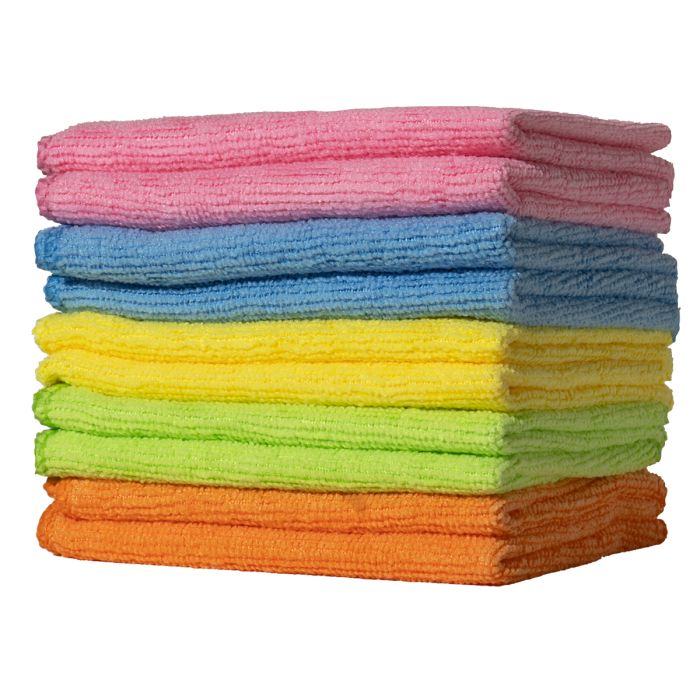 Coloured Microfibre Cloths – Pack of 10 Multi-Coloured Cleaning Cloths£4.45Multi-coloured microfibre cloths suitable for cleaning and protection tasks around the home, including leather and fabric.
Frequently Asked Questions
How often should I clean my resin floor?
Ideally, sweep or vacuum daily and wet clean weekly, or more often in high-traffic areas.
What kind of cleaner is safe for resin floors?
Use mild, non-abrasive cleaners—never harsh chemicals, bleach, or acidic solutions that could damage the resin.
Is it safe to use water on resin floors?
Lightly damp mopping is safe, but avoid excessive water to prevent seepage and possible damage at floor edges.
How do I restore shine to a dull or scratched resin floor?
Use a resin-approved polish and buff the floor with a microfibre cloth or recommended pad to revive the glossy finish.
Can I use isopropyl alcohol for resin floor cleaning?
Yes, it helps remove streaks and stubborn marks, but should be used sparingly and in a well-ventilated area.
Can I polish my resin floor?
Polishing is suitable for restoring gloss if the resin floor becomes dull or lightly scratched. Use products formulated for resin.