 Free shipping on orders over £29,85
  Shipping Tracking!


 Google
 Facebook
How do you work with resin on wood?
Step-by-step guide for strong, glossy, and beautiful wood projects
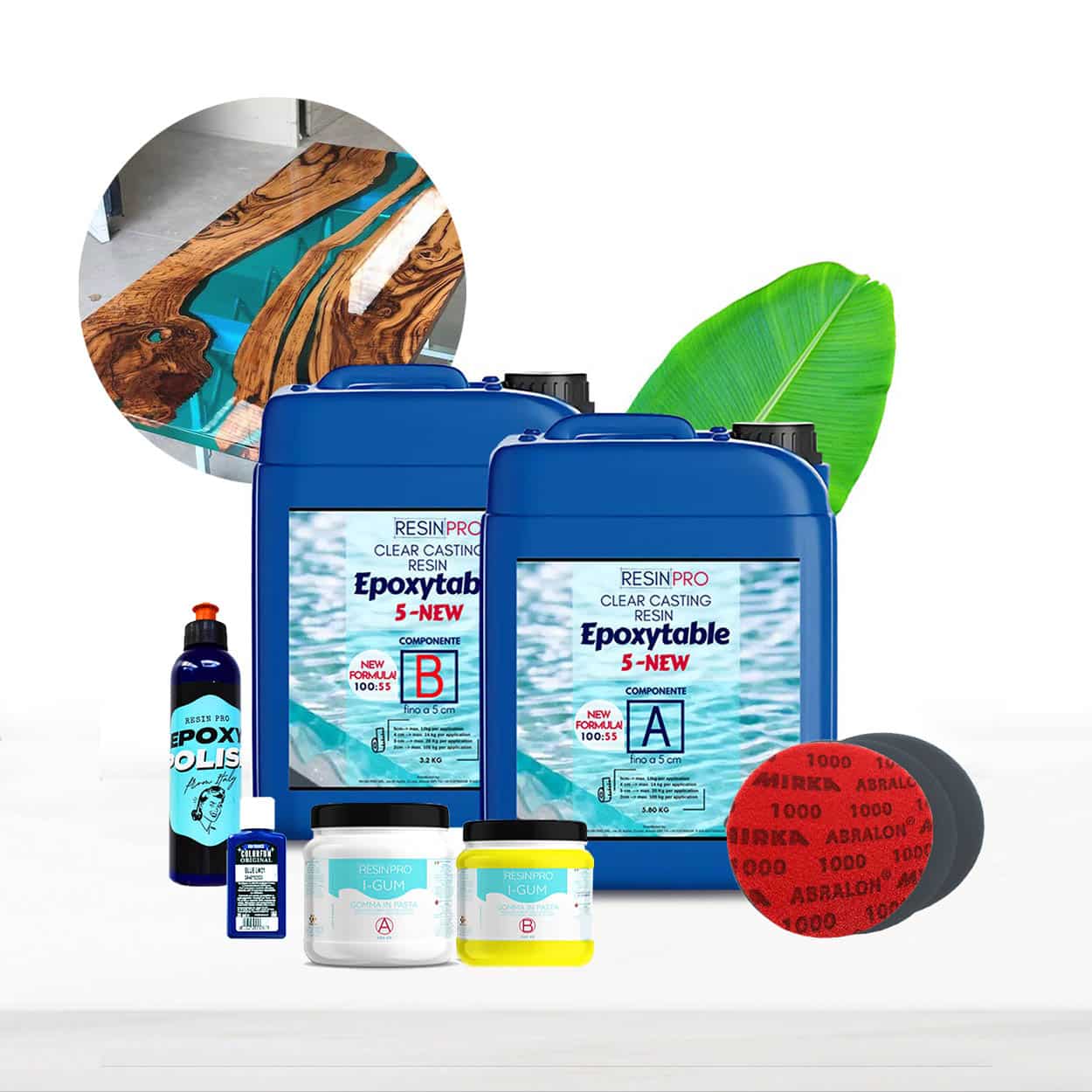
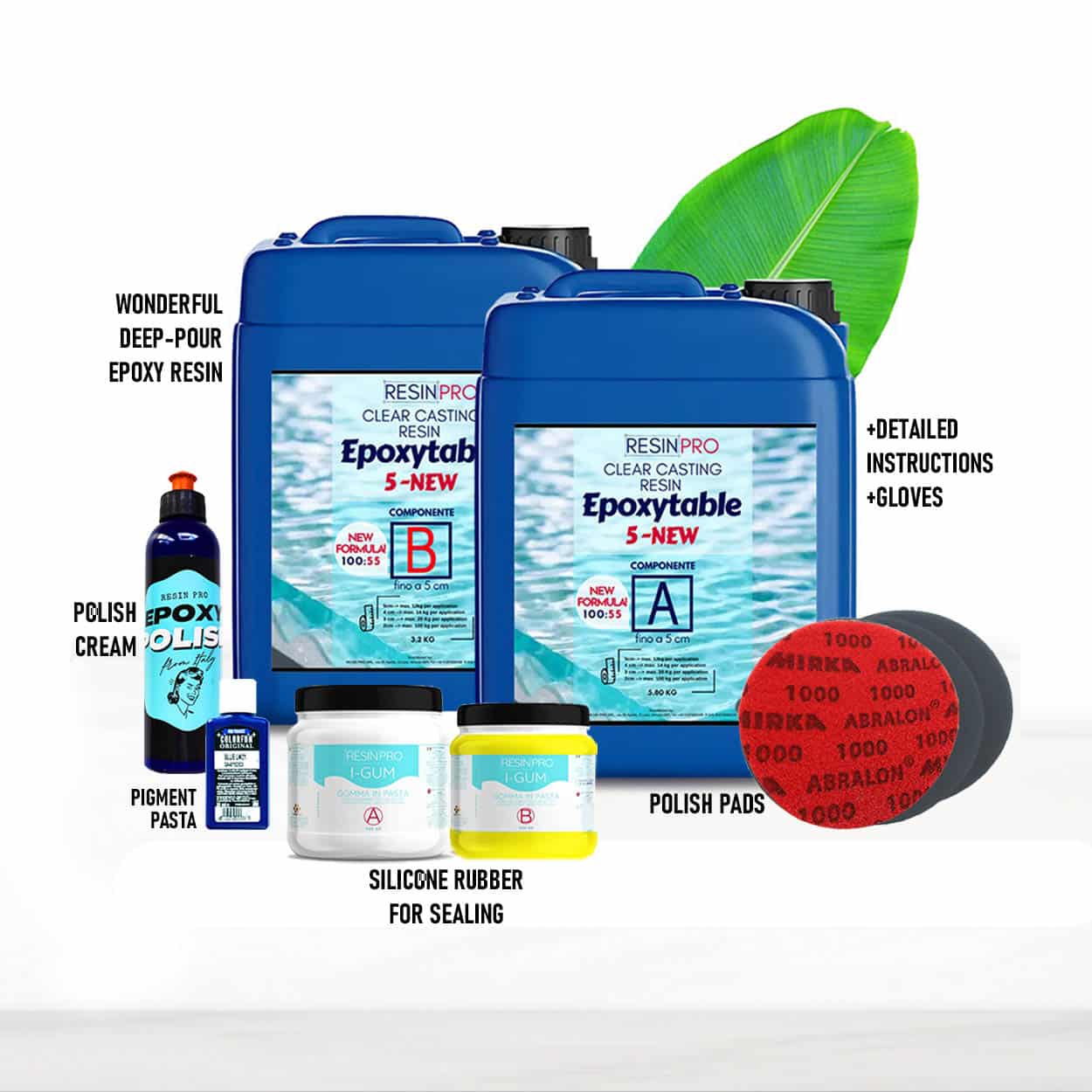
Working with resin on wood is a versatile technique used for everything from table making to surface repair. Whether you’re aiming to achieve a glass-like finish or want to reinforce and waterproof timber, learning the correct process is essential for achieving durable and attractive results. This guide will cover what you need, core preparation steps, pouring and finishing techniques, and tips for a flawless project outcome.
What You’ll Need
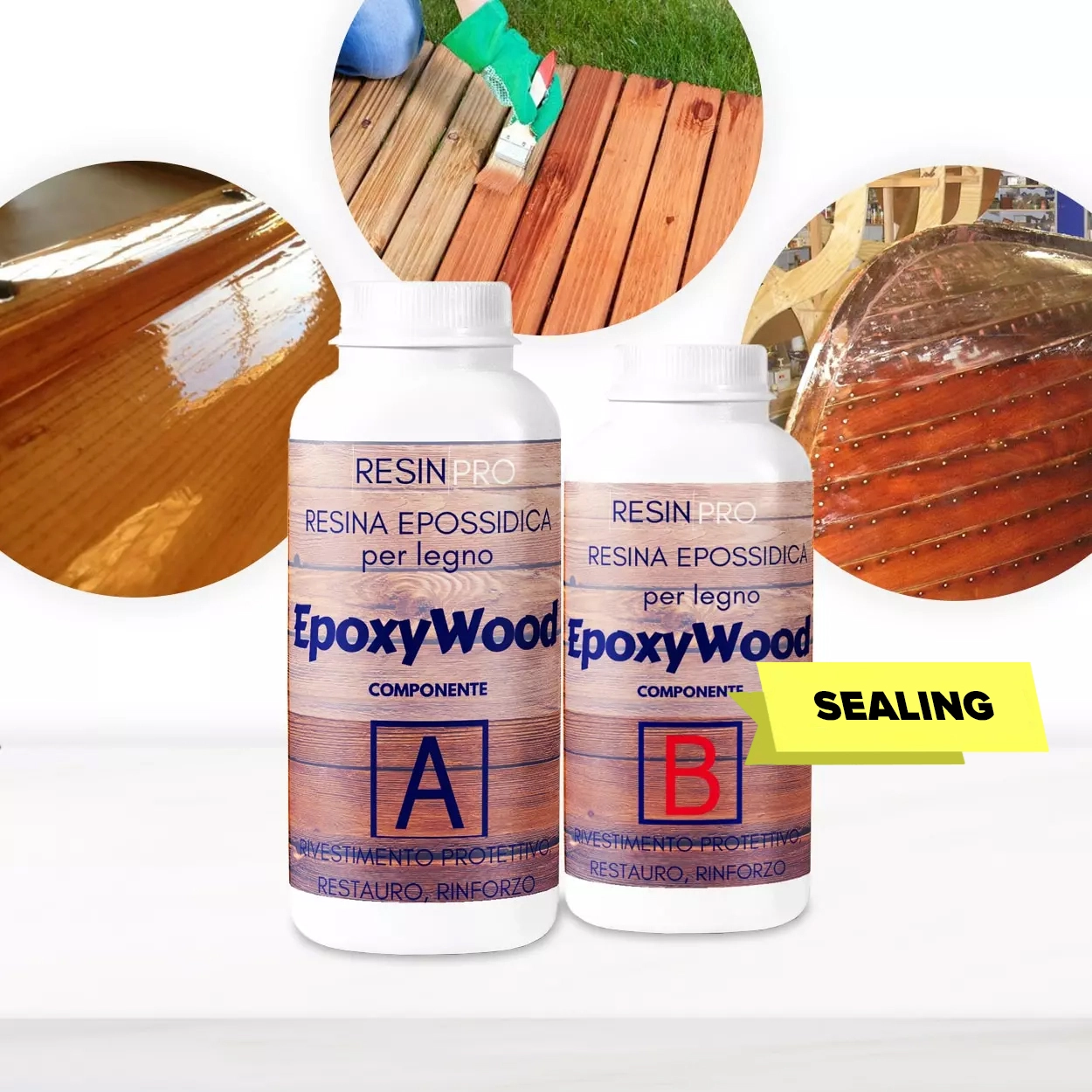
- “EpoxyWood” – Wood Restoration Epoxy Resin for Deep Penetration and Waterproofing: Deep restoration and waterproofing of wood surfaces
- “Trasparente” – Multipurpose Clear Epoxy Resin for Casting – Up to 2cm: For clear coatings and casting projects
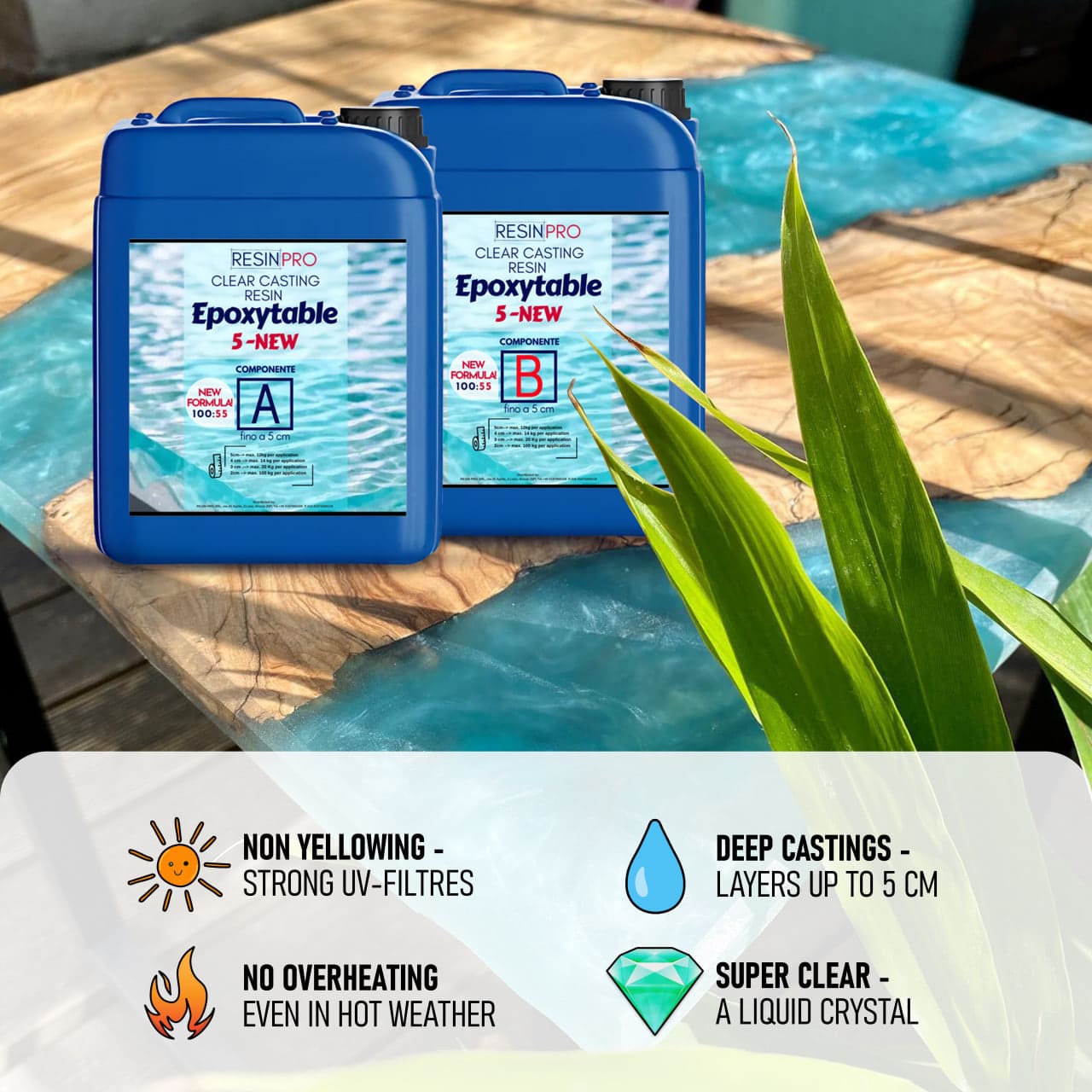
- “Epoxytable 10-Ten” – Deep Pour Epoxy Resin for Tables, Up to 10cm Casting: For tables and deep-pour artistic wood applications
- “River-Table” – Complete Kit for Creating Your First Epoxy Resin Table: All-in-one set for river tables and DIY furniture
- Protective gloves, goggles, and a dust mask
- Sanding block or electric sander
- Mixing containers and stirrers
- Drop sheets or disposable table protectors
Essential Tools for Resin and Wood Projects
For the best results on any wood and resin project, choose high-quality mixing containers and ensure your workspace is protected. Use measuring tools and gloves to keep both your materials and your safety in check. Carefully selected, project-specific products help guarantee a smooth workflow and an exceptional finish, whether restoring an old surface or crafting a brand-new river table.

Step 1: Prepare the Wood Surface
Successful resin projects begin with meticulously prepared wood. Start by ensuring your wooden surface is clean, dry, and free from oil, dust, or loose debris. Sand all surfaces smoothly, moving from coarse to fine grit to open the pores and remove any existing finishes. For woods with high moisture content, allow them to dry fully before proceeding, as trapped moisture can cause bubbles and cloudiness under resin.
After sanding, wipe the entire surface with a lint-free cloth to remove dust. Pay close attention to crevices, knots, and live edges, as resin will reveal—even magnify—imperfections. Attention to groundwork makes all the difference in the final clarity and adhesion of your resin layer.
Step 2: Seal and Prime the Wood
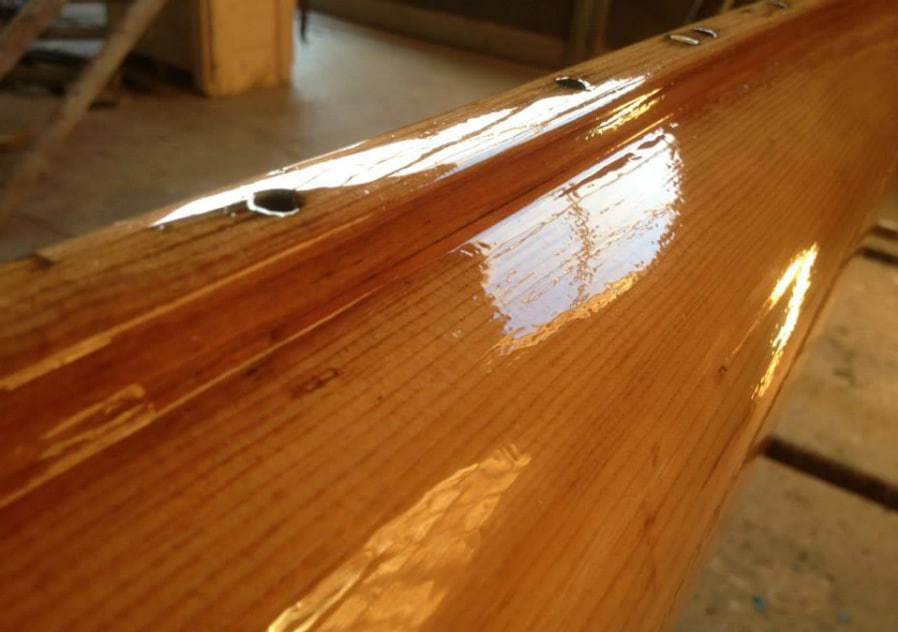
To avoid air release and absorbency issues, seal wood before the main pour. For restoration or porous timbers, a penetrating resin such as “EpoxyWood” – Wood Restoration Epoxy Resin for Deep Penetration and Waterproofing is ideal. Apply a thin layer using a brush, working it deep into the grain to fill voids and prevent oxygen from escaping during your flood or casting coat.
Allow this initial seal coat to cure according to the manufacturer’s instructions, usually several hours. This step is particularly important for live-edge or old planks, as it locks the grain and ensures uniform resin behaviour in subsequent applications.
Step 3: Mix and Pour the Resin
Measuring and mixing accuracy is critical when working with epoxy. Use precise ratios and mix thoroughly, scraping the sides and bottom of your container to avoid unmixed sections that may remain sticky. For clear coatings or smaller casting projects up to 2cm thick, a product such as “Trasparente” – Multipurpose Clear Epoxy Resin for Casting – Up to 2cm is suitable.
For deep pour or river table applications, choose dedicated solutions like “Epoxytable 10-Ten” – Deep Pour Epoxy Resin for Tables, Up to 10cm Casting to avoid overheating. Pour resin slowly to allow bubbles to rise, and gently pass a heat gun or torch over the surface to pop any remaining bubbles. If building up in layers, ensure each cure fully before the next pour.

Step 4: Finish and Polish
Once the resin has cured completely, inspect for any imperfections or trapped dust. Lightly sand the surface with fine-grit paper, then move to a polish or buffing compound for a glass-smooth finish. Take care not to rush; full curing may take several days depending on the resin and environmental conditions.
If making a table or furniture, edges can be chamfered and polished for a professional look. River table and DIY furniture projects benefit from using comprehensive kits like the “River-Table” – Complete Kit for Creating Your First Epoxy Resin Table, which includes polishing compounds and clear instructions for premium results.
Tips, Common Mistakes and Troubleshooting
Allow for complete curing between layers to avoid cloudiness or tackiness in the finished piece. Bubbling can often be traced to air in open wood grain; sealing and careful pouring can help eliminate this problem. If an area remains sticky, it may be due to incorrect mixing ratios—sand back and re-coat with freshly mixed resin.
Always work in a well-ventilated area and use appropriate PPE, as even low-odour resins may emit fumes during curing. For temperature-sensitive products, ensure your workspace is within the recommended range to avoid curing problems or yellowing over time. Patience and attention to detail at each stage are key for achieving resilient and beautiful results with wood and resin projects.
Project Inspiration: Wood and Resin Applications
From eye-catching river tables to intricate art pieces, wood and resin combine for limitless creativity. Explore resin restoration, table making, or even sculpture with the right products and careful technique. Every project benefits from practice and meticulous preparation—transform your designs with confidence using professional guidance and quality materials.
- "EpoxyWood" – Wood Restoration Epoxy Resin for Deep Penetration and WaterproofingOriginal price was: £64.00.£39.85Current price is: £39.85."EpoxyWood" is designed for repairing and protecting wooden surfaces with deep penetration and waterproofing in mind.
- "River-Table" – Complete Kit for Creating Your First Epoxy Resin TablePrice range: £188.85 through £444.85This kit provides materials and instructions for creating wood and resin tables with a detailed guide for forming and casting.
 "Trasparente" – Multipurpose Clear Epoxy Resin for Casting – Up to 2cmPrice range: £8.45 through £948.85"Trasparente" is a clear, multipurpose casting resin suitable for woodworking and art projects, providing a glossy, self-levelling finish up to 2cm…
 “Epoxytable 10-Ten” – Deep Pour Epoxy Resin for Tables, Up to 10cm CastingPrice range: £33.85 through £334.85Epoxy resin for deep pours up to 10cm, suitable for tables and large artistic projects, designed for use with wood surfaces.
Frequently Asked Questions
How do I prepare wood for an epoxy resin coating?
Sand thoroughly, remove all dust and debris, and ensure the wood is clean and dry before applying any resin for proper adhesion.
What resin should I use for deep pour table projects?
Use a deep pour resin such as “Epoxytable 10-Ten” for layers up to 10 cm for river tables and large projects.
How can I prevent bubbles when pouring resin over wood?
Seal wood before pouring and use a heat gun to remove surface bubbles during the curing process.
What are common mistakes when using epoxy on wood?
Frequent mistakes include incorrect mix ratios, insufficient curing time, and failing to properly seal very porous woods.
Is EpoxyWood resin suitable for restoring external wood?
Yes, EpoxyWood is suitable for sealing and reinforcing dry external wood surfaces for improved weather resistance.
How long should I wait for epoxy to cure on wood?
Curing time varies by resin, but most require 24 to 72 hours for handling and up to 7 days for a full cure.