 Free shipping on orders over £29,85
  Shipping Tracking!


 Google
 Facebook
how do you work with transparent resin?
Achieve flawless, crystal-clear finishes with the right technique
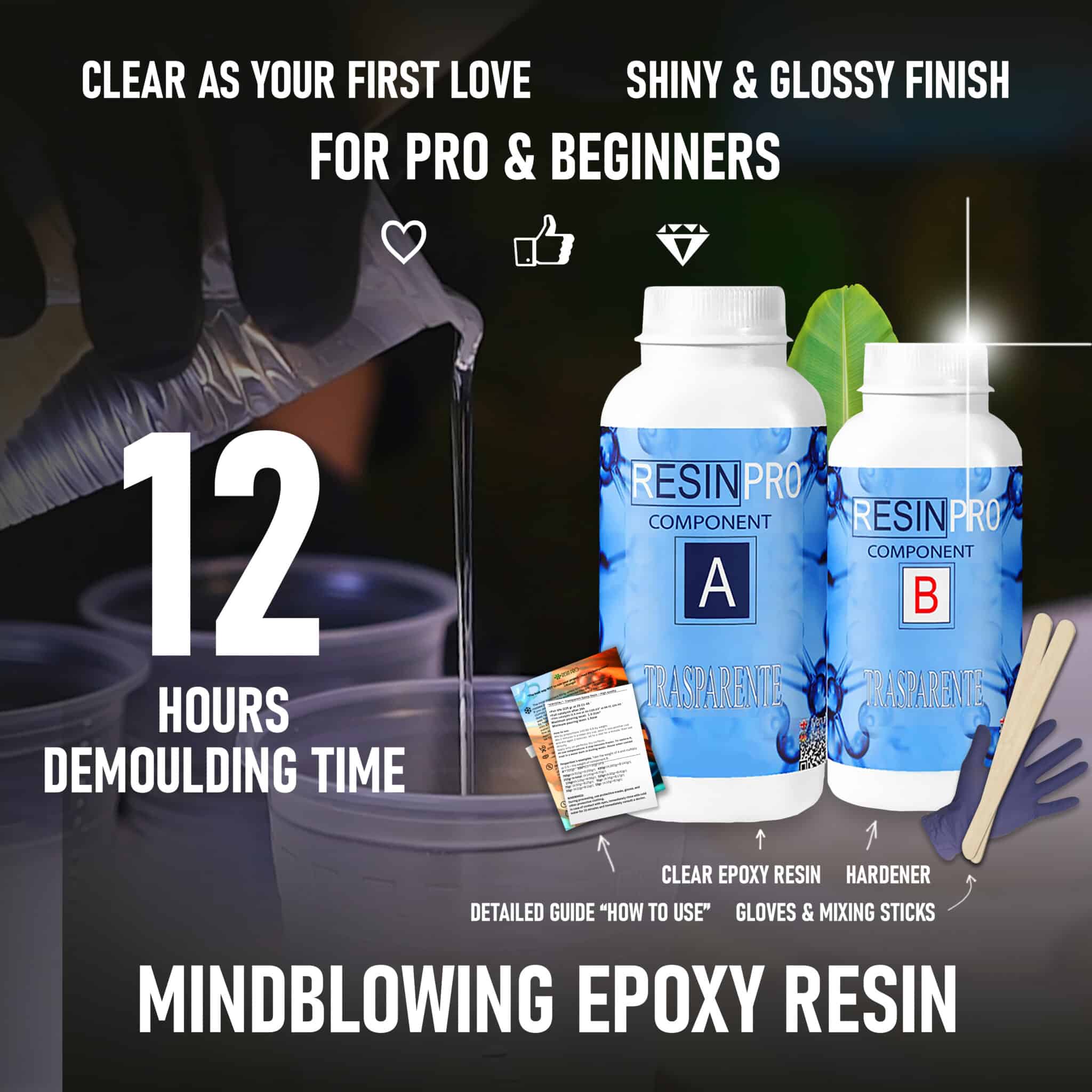

Achieving beautifully transparent, glass-like results with resin opens up a world of creative and practical projects, from jewellery and crafts to table coatings and art. This guide covers essential tips and step-by-step methods to help both beginners and experienced makers work confidently with transparent resin, ensuring clarity and professional finishes every time.
What You’ll Need
- “Trasparente” – Multipurpose Clear Epoxy Resin for Casting – Up to 2cm for detailed casting, tables, and general projects up to 2cm thick
- “Icrystal” – Clear Epoxy Resin – Odourless Formula – Up to 1.5cm suitable for craft, art, and jewellery in thinner layers
- “Art Pro” – Clear Epoxy Resin for Artists and Surface Coating for precise, high-gloss decorative coatings and art
- Protective Sheet Film for Resin Projects, 4x4m Surface Cover to keep your workspace clean and shielded
- Disposable gloves and mixing sticks (often included with resin kits)
- Digital scales for accurate measurement
- Mixing cups (preferably clear)
- Heat gun or torch for degassing (optional)
- Respirator mask (if specified by manufacturer or working in an unventilated space)
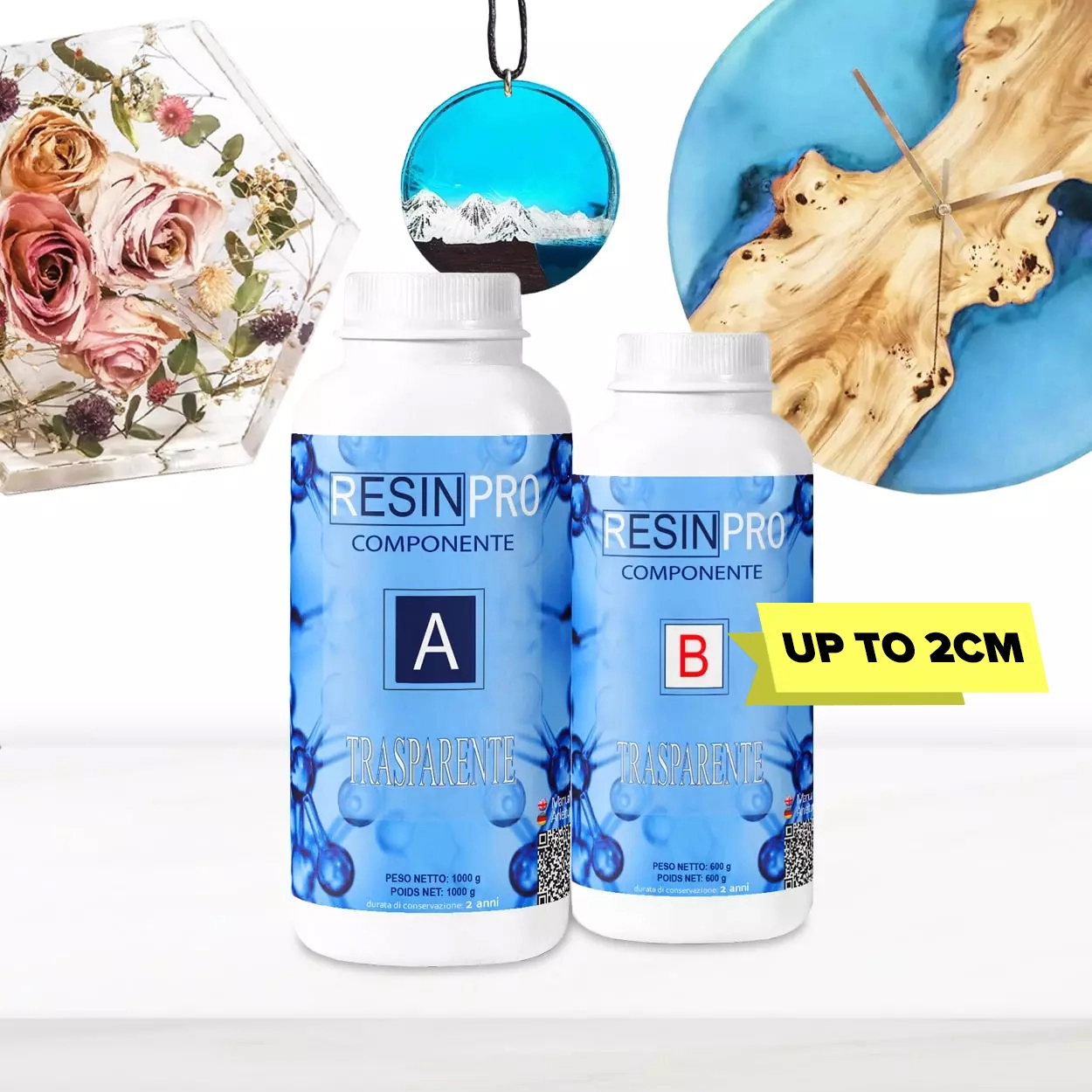
Essential Tools for Transparent Resin Success
Gather high-quality, purpose-designed tools for best results, including an ultra-clear epoxy resin, precise scales, disposable gloves, and a protective sheet to protect your workspace. Attention to setup sets the foundation for a flawless outcome.
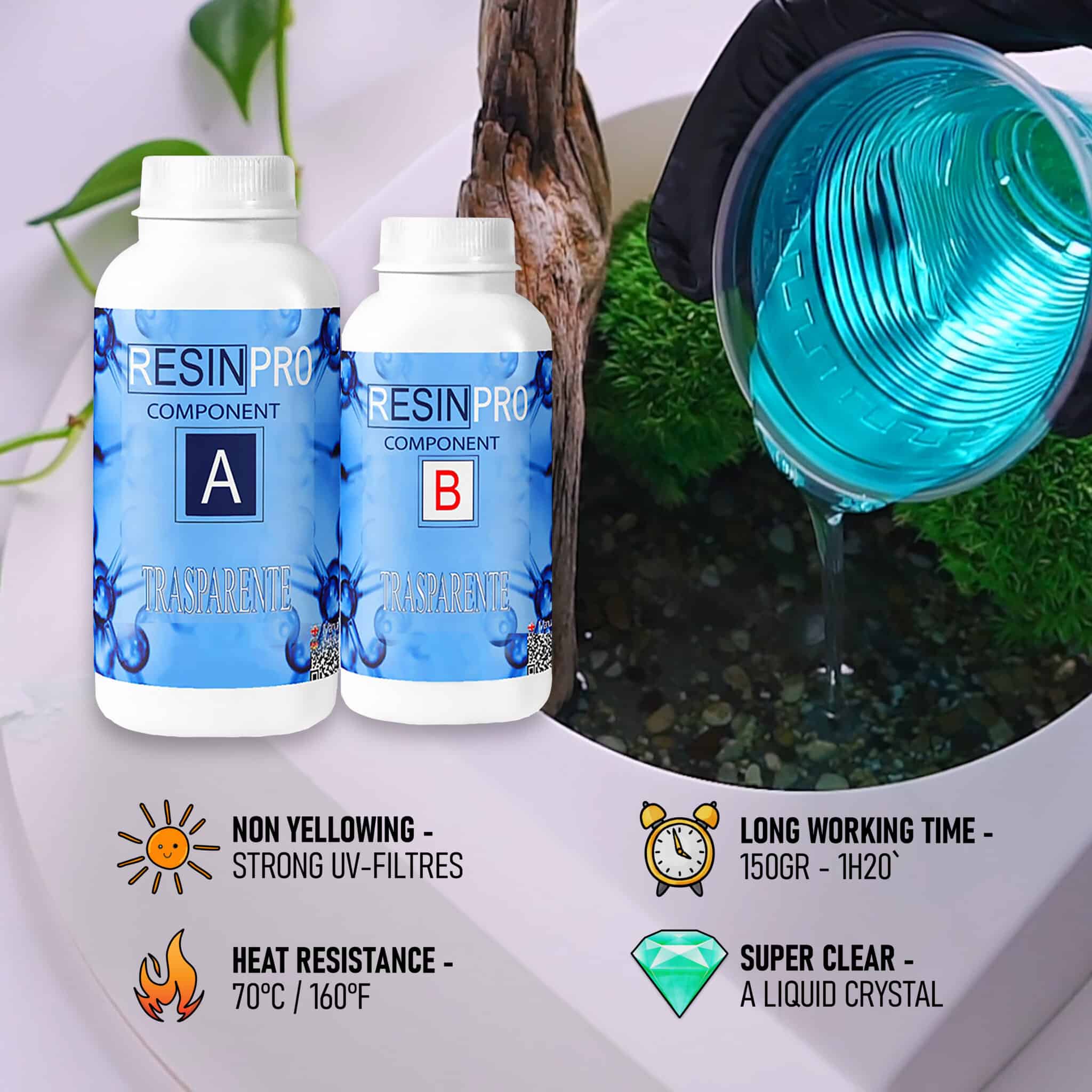
Step 1: Prepare Your Workspace and Materials
Work in a clean, dust-free, and well-ventilated area to prevent particles or fumes from interfering with the resin. Lay down a Protective Sheet Film for Resin Projects, 4x4m Surface Cover on tables or floors to protect against drips or spills. Ensure all containers, stirrers, and measuring tools are dry and free from contaminants, as any moisture can lead to cloudiness or compromised curing.
Check that your materials are at room temperature—cold resin can become too viscous, while high temperatures may speed up curing and trap bubbles. Allow your resin and hardener bottles to sit in a warm room (around 18-22°C) before starting.
Step 2: Measure and Mix the Resin Precisely
Use accurate digital scales to weigh the resin and hardener according to the manufacturer’s instructions—typically by weight, not volume. The correct ratio is crucial for transparency and strength. Pour the resin and hardener into your mixing cup slowly to avoid introducing air. Mix gently but thoroughly for the recommended time (usually 2–3 minutes), scraping the sides and bottom to achieve an even blend.
For casting up to 2cm thick, “Trasparente” – Multipurpose Clear Epoxy Resin for Casting – Up to 2cm offers crystal-clear results, while thinner craft and art projects may benefit from “Icrystal” – Clear Epoxy Resin – Odourless Formula – Up to 1.5cm or “Art Pro” – Clear Epoxy Resin for Artists and Surface Coating for easier handling in finer layers.
Step 3: Pour the Resin and Remove Bubbles
Pour in shallow layers to control heat and prevent overheating, which can cause yellowing or cracking. For deep pours, pour in multiple stages, letting each layer partially set before adding the next. Pour slowly in the centre of the mould or surface, allowing the resin to spread naturally and retain its transparency.
Eliminate bubbles gently by passing a heat gun or torch a few centimetres above the resin surface, being careful not to scorch or overheat the resin. If bubbles persist, let the resin rest for a few minutes before further action. Protect the piece from dust by covering it while it cures.

Step 4: Curing, Demoulding, and Finishing
Allow for full curing as specified by your chosen resin—typically 24 to 72 hours. Resist the urge to move or touch the piece during this period, as fingerprints and dust can mar the surface. Once cured, carefully demould castings or, for table and surface coatings, peel away the protective sheet from surrounding areas. Sand edges lightly if needed, progressing from fine to extra-fine grit under water for a flawless finish.
For pieces requiring a high-gloss or additional protection, a light polish with suitable compound can bring out further clarity, especially for jewellery or decorative surfaces.

Tips, Common Mistakes, and Troubleshooting
Always check mix ratios and avoid working in cold or overly humid conditions, as these can cause cloudiness or sticky surfaces. Cover your project as it cures to prevent airborne dust or debris settling on the tacky resin. Remember to use only as much resin as your project needs—mixing excessive amounts increases the risk of exotherm (overheating).
If you notice any surface tackiness after full curing time, recheck your mix ratios and ensure thorough blending next time. Sanding or recoating may resolve surface blemishes. For deeper pours or intricate moulds, pour slowly and in stages to avoid trapped air or uneven curing.
Troubleshooting: Achieving a Glass-Like Resin Finish
If your piece looks hazy or develops air bubbles, ensure that environmental temperature is steady and that materials are properly mixed. Protecting from dust and pouring in gradual layers helps you achieve a pristine, professional result every time.

- "Trasparente" – Multipurpose Clear Epoxy Resin for Casting – Up to 2cmPrice range: £8.45 through £948.85"Trasparente" offers an ultra-clear, self-levelling finish suitable for detailed castings and tables up to 2cm thick.
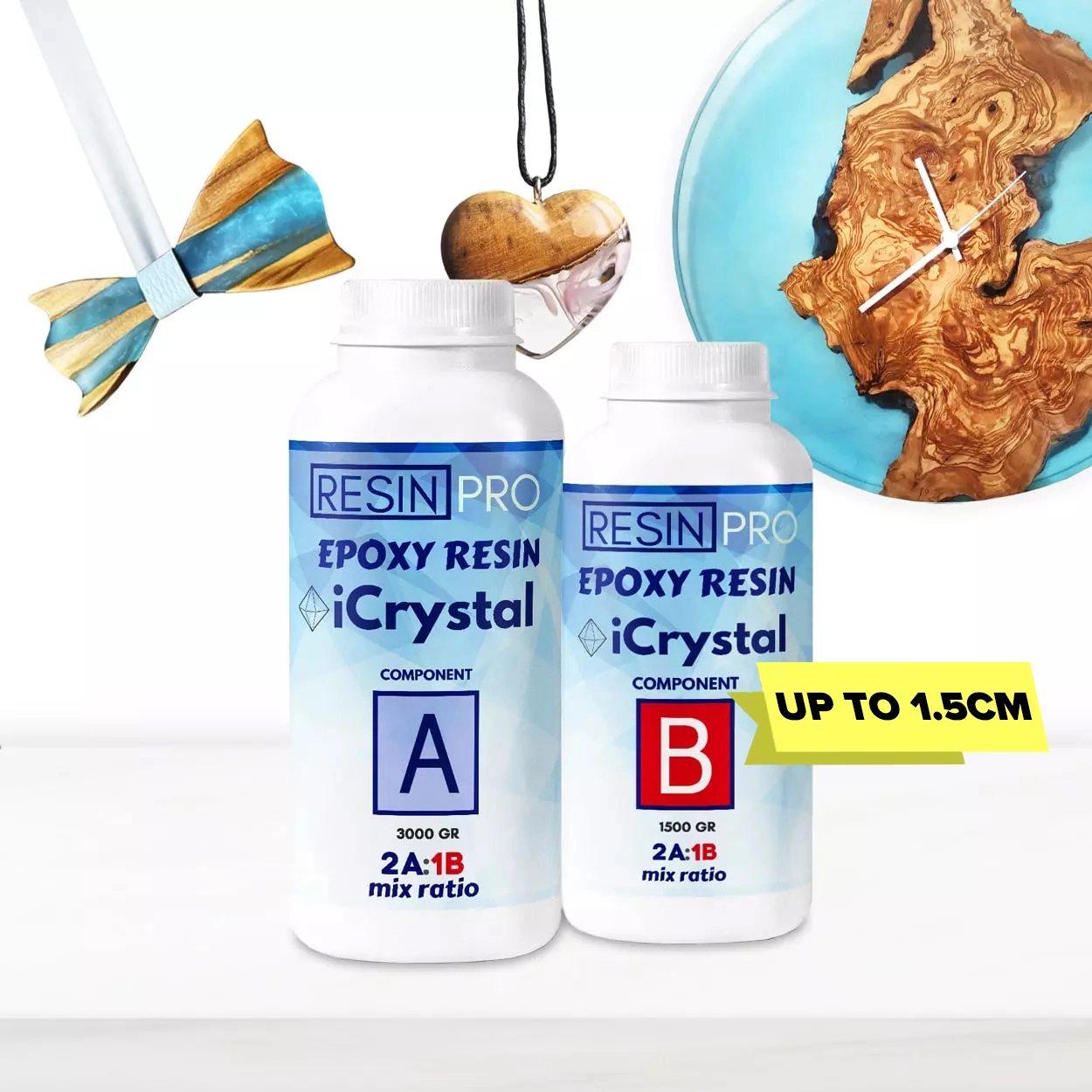 "Icrystal" – Clear Epoxy Resin – Odourless Formula – Up to 1.5cmPrice range: £11.65 through £954.85"Icrystal" is a transparent epoxy resin suitable for craft and art projects, designed for clear, scratch-resistant finishes.
 "Art Pro" – Clear Epoxy Resin for Artists and Surface CoatingPrice range: £31.15 through £388.85Art Pro clear epoxy resin is suitable for artists and crafters aiming for durable, high-gloss transparent finishes on decorative surfaces like…
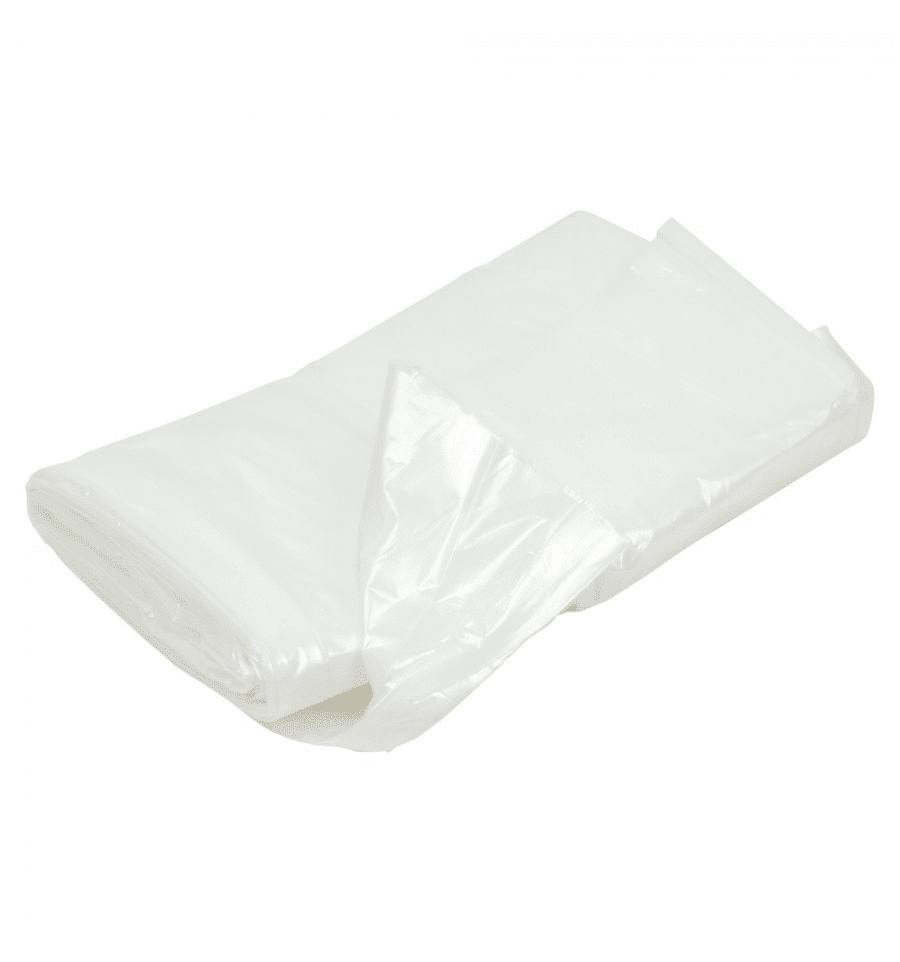 Protective Sheet Film for Resin Projects, 4x4m Surface Cover£2.85Protective Sheet Film offers lightweight, durable surface protection for resin and DIY projects in a 4x4m size.
Frequently Asked Questions
What is the correct mixing ratio for transparent resin?
Always follow the manufacturer's guidelines. Most resins require ratios by weight rather than volume to ensure clarity and cure strength.
How do I remove bubbles from transparent resin after pouring?
Gently use a heat gun or torch above the surface. Pour slowly to minimise trapped air and avoid rapid mixing.
Why is my transparent resin still sticky even after curing?
Incorrect mixing ratios, insufficient blending, or high humidity can cause tackiness. Sand and recoat if needed.
How do I prevent transparent resin from yellowing over time?
Choose resins with UV filters and cure away from direct sunlight. Store finished pieces in cool, shaded areas.
What is the best environment for working with transparent resin?
A dust-free, well-ventilated workspace at 18-22°C is ideal. Lay protective covers to ease clean-up.