 Free shipping on orders over £29,85
  Shipping Tracking!


 Google
 Facebook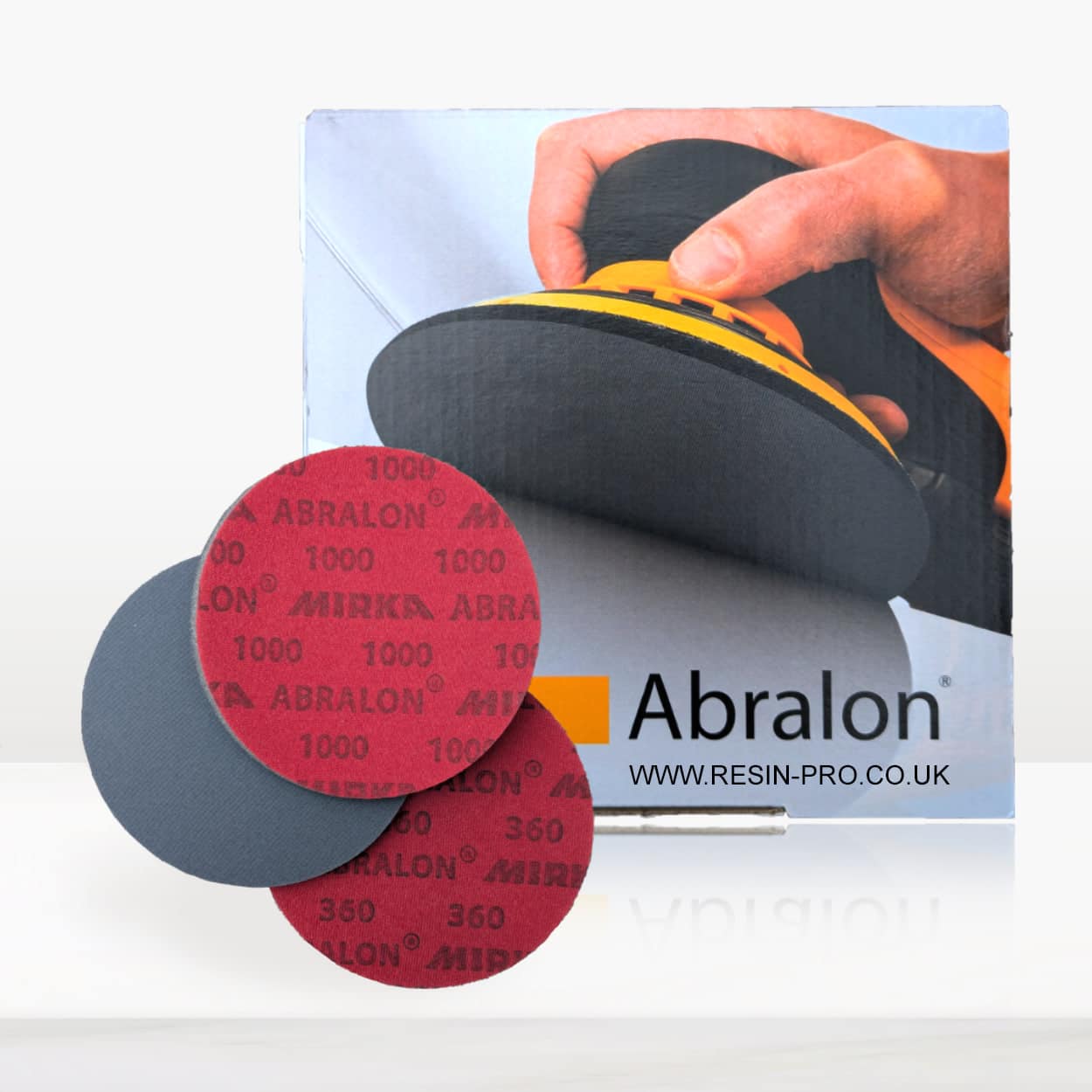
Sanding resin requires selecting the right starting grit to achieve a flawless, glass-like finish. The initial grit you choose forms the foundation for a smooth and professional result.
Choosing Your Starting Grit
If your resin surface has substantial imperfections, begin with a 320 or 400 grit abrasive. This removes high spots and uneven areas efficiently. For surfaces that are already quite smooth and just need minor touch-ups, you may start with an 800 grit instead. Progressing from coarser to finer grits ensures that scratches left by each previous stage are effectively removed in the next.
- 320–400 grit: For sanding down drips, bubbles, or uneven surfaces
- 800 grit: For light surface marks or prepping for polishing
Practical Tips for Sanding Resin
Always sand in stages, switching to finer grits as the surface improves. Using products designed for resin work, such as the Ebonite Abralon Sanding Pads, can make this process smoother. Wet sanding is highly recommended for resin as it helps reduce scratching and prevents resin dust, especially when using waterproof sanding papers. Ensure you wipe away residue between grit changes to assess progress accurately.
When Grit Choice Matters Most
Choosing the correct starting grit is crucial if your project involves large flat surfaces or any decorative pieces where clarity and gloss are a priority. An overly coarse grit risks deep scratches, while too fine a grit will make it difficult to flatten larger blemishes.
Related products
Related guides
Getting your grit selection right sets you up for a seamless sanding experience and a stunning finish. For a deeper dive on sanding methods and polishing tips, visit our main how to sand resin guide.