 Free shipping on orders over £29,85
  Shipping Tracking!


 Google
 Facebook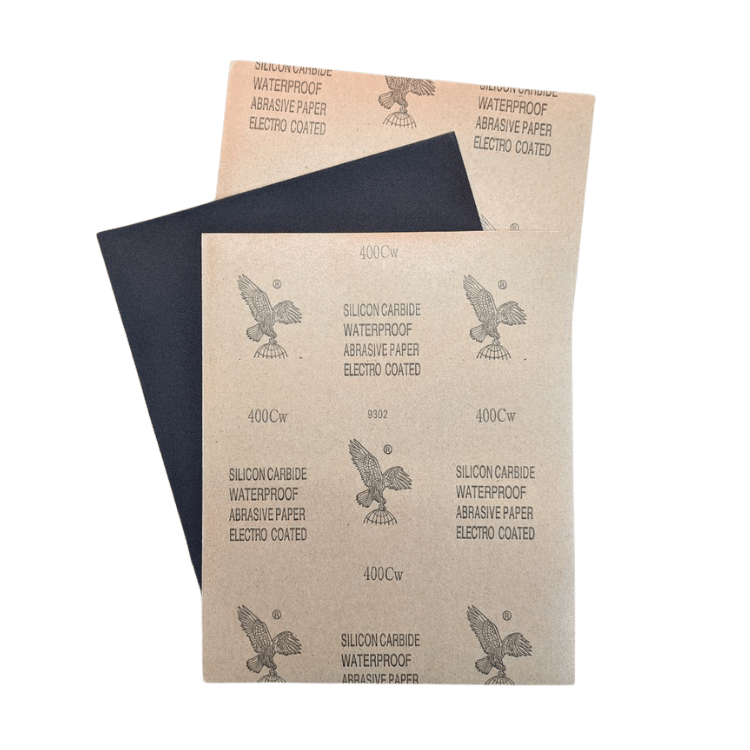
When it comes to sanding resin, not all sanding papers are created equal. For a flawless finish, it’s important to choose the right type of sandpaper suitable for both the material and your technique.
Why Waterproof Sanding Paper Is Best for Resin
Resin surfaces can scratch easily if the wrong sanding paper is used. Waterproof sanding papers, sometimes labelled as wet/dry sandpaper, are specifically designed for both wet and dry applications. Wet sanding with these papers helps reduce dust, minimises scratching, and keeps your surface smooth throughout the process. Avoid standard papers not rated for wet use as they can degrade quickly or leave marks on your resin.
Choosing the Right Grit and Format
Progress through sanding by starting with a coarser grit and finishing with a finer one. This approach ensures imperfections are removed without leaving deep scratches. Packs like the A4 Waterproof Sanding Paper offer a variety of grits and are ideal for crafting and resin art, allowing you to tailor your approach for each stage of your project. Foam-backed sanding pads and interface pads can provide more even pressure and help achieve a seamless finish, especially on curved or detailed surfaces.
When This Matters Most
Choosing the right sandpaper is especially important for clear or glossy resin items, where scratches are highly visible. If your project will be used as a display piece or for items like jewellery and tabletops, using a high-quality waterproof sanding paper and progressing through the grits will give you that professional, glass-like finish.
Related products
Related guides
Using the proper waterproof sanding paper is key to beautifully finished resin projects. For more tips on sanding technique and perfecting your work, visit our full How to Sand Resin guide.