 Free shipping on orders over £29,85
  Shipping Tracking!


 Google
 Facebook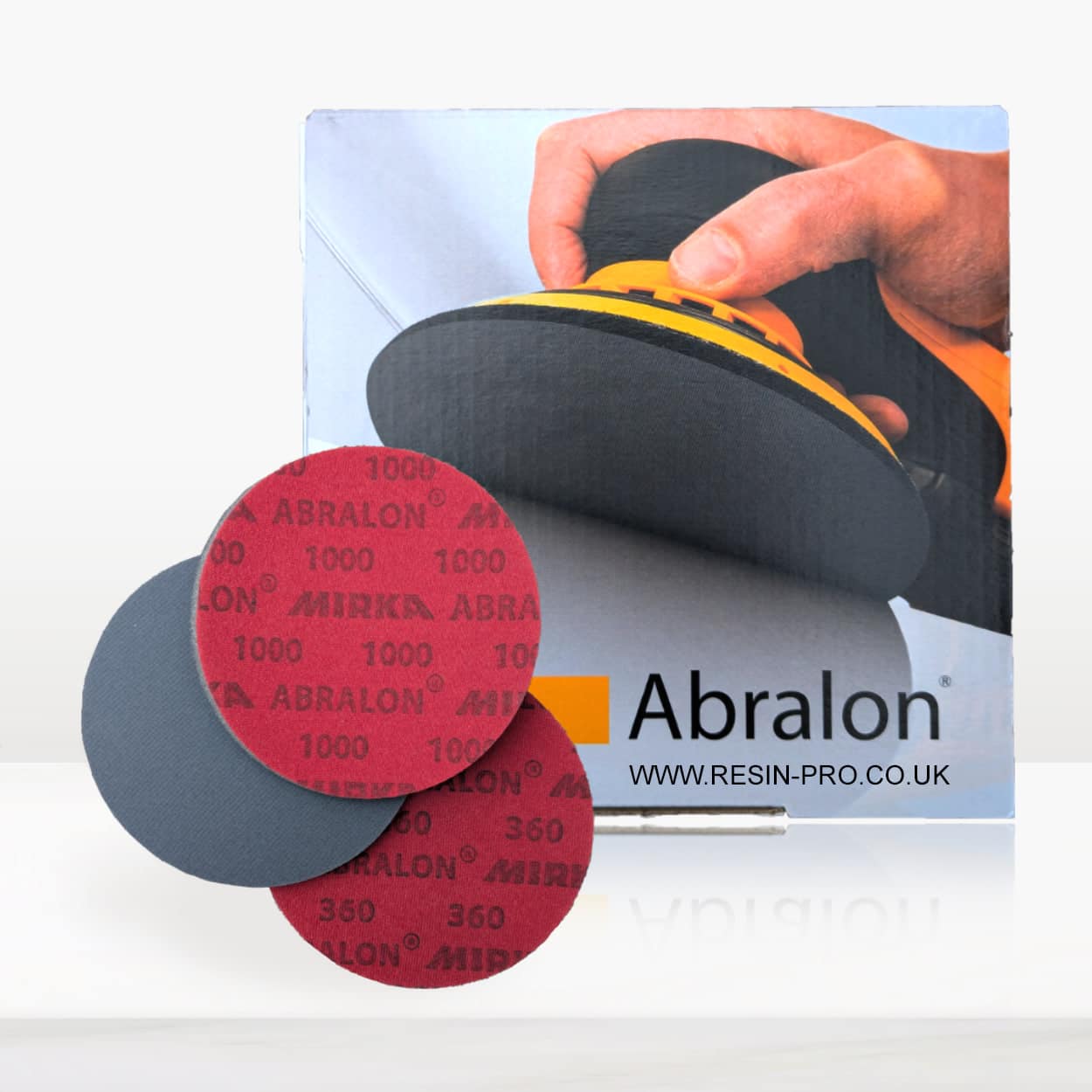
When sanding resin, it’s essential to take personal safety seriously. The process creates fine dust and fragments that can be harmful if inhaled or if they come into contact with your skin and eyes. Let’s explore why protection is important and which items you’ll need.
Why Use Protection for Resin Sanding?
Sanding down cured resin releases tiny particles into the air. These particles may irritate your airways and skin and, if airborne, can be difficult to remove from your workspace. Even if you’re working with high-quality sanding products, adequate protection ensures you stay comfortable and avoid potential allergic reactions or long-term respiratory concerns.
Essential Protective Gear
- Dust mask or respirator: Prevents inhalation of fine resin particles.
- Safety eyewear: Shields your eyes from flying debris and dust.
- Gloves: Stops resin dust from causing skin irritation.
All three are recommended, whether you’re lightly smoothing edges or carrying out major reshaping. For best results, combine personal protection with good ventilation and regular cleaning of your work area.
Practical Tips for Sanding Safely
Choose sanding tools and abrasives designed for resin, such as the “Ebonite Abralon” Sanding Pads, which are suitable for wet or dry use and help minimise dust dispersal when used wet. Keep your protective gear in good condition and replace disposable items as needed. Always change out of work clothes before moving to clean areas to avoid spreading dust.
When Protection Matters Most
Protection is especially important when finishing complex or large resin pieces, or when using higher grit papers and power tools that generate more airborne particles. Even with smaller projects, always err on the side of caution.
Related products
Related guides
Staying safe while sanding resin gives you peace of mind to focus on getting the smooth, polished finish you want. For more tips on achieving great results with resin, visit our full guide on how to sand resin.