 Free shipping on orders over £29,85
  Shipping Tracking!


 Google
 Facebook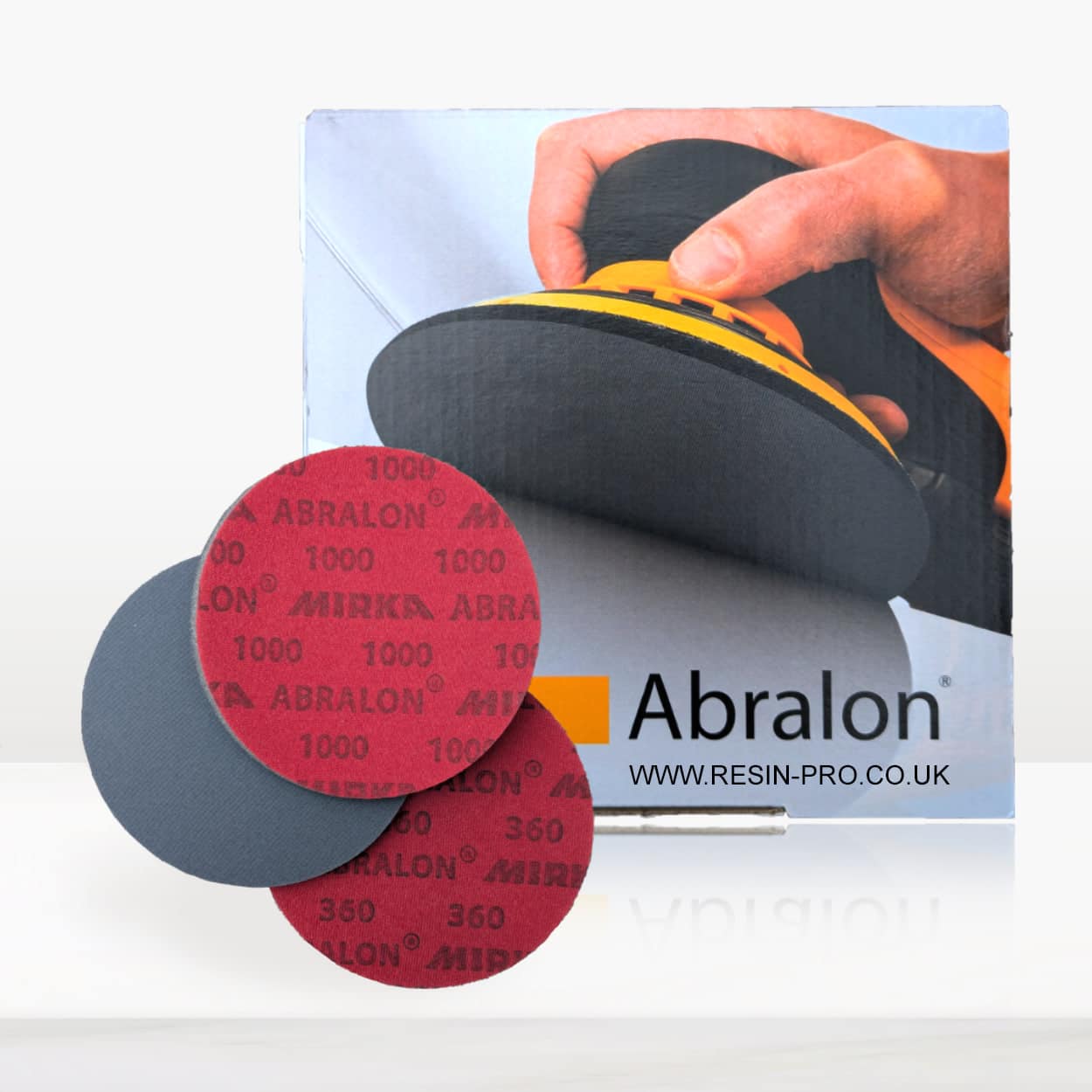
Dry sanding is a popular option for shaping and finishing resin, whether you’re a hobbyist or a professional. Understanding when and how to use this method helps you achieve smooth, flawless results on your resin projects.
Understanding Dry Sanding for Resin
Dry sanding uses abrasive materials, such as sanding pads or paper, without adding water or liquid. This method is often chosen for its simplicity and less mess during clean-up. Dry sanding is especially effective for removing sharp edges, levelling uneven areas, and quickly shaping resin surfaces. However, it can create dust, so always work in a ventilated area and consider wearing a dust mask for your safety.
Choosing the Right Tools and Technique
For best results, combine quality sanding pads—like the “Ebonite Abralon” Sanding Pads—with a rotary polisher or a suitable pad holder. These pads come in various grits (from coarse to ultra-fine), allowing gradual and consistent smoothing. If you need a softer touch or wish to refine small details, interface pads such as the Mirka Sanding Interface Pad can help distribute pressure and prevent over-sanding. Start with lower grit for material removal, moving up to finer grit for a smooth finish.
When Dry Sanding is the Right Choice
- You want quick material removal without added moisture.
- Wet sanding might risk water stains or isn’t practical on your project.
- You prefer a straightforward clean-up routine or work in areas where water use is restricted.
Related products
Related guides
While dry sanding is effective for many resin surfaces, the right approach depends on your project’s needs. Reliable sanding pads and suitable accessories make the process smoother and connect perfectly with broader tips found on our how to sand resin guide.