 Free shipping on orders over £29,85
  Shipping Tracking!


 Google
 Facebook
How to polish resin jewellery?
Achieve professional shine and flawless finish on resin pieces


Polishing resin jewellery transforms your handmade creations from dull to dazzling, revealing depth, colour and clarity in every piece. Mastering the technique ensures your work stands out with a professional, glass-like finish that resists scratching and daily wear. Whether you create pendants, earrings, rings or more, a flawless polish makes all the difference for gifting, selling, or personal enjoyment.
What You’ll Need
- “Ebonite Abralon” – Sanding Pads 360-4000 Grit for Resin and Wood — for refining and smoothing the resin surface through progressive grits.
- Manual Polishing Pad Holder for Sanding & Polishind Pads — for comfortable and even hand sanding or polishing in detailed areas.
- “Epoxy Polish” – Epoxy Resin Polishing System — a dedicated polishing compound for bringing out a clear, glossy finish.
- (Optional) “Carbon Polish” – Polishing System for Dark and Black Surfaces, 250ml — best for resin items with deep or dark colours.
- Soft, lint-free microfibre cloths and clean water.
- Gloves and protective eyewear for safety.

Watch the Transformation: Polishing in Action
See the difference a professional polish makes—from initial sanding to final buffing, each stage reveals more depth and shine in your resin jewellery. Detailed finishing not only enhances appearance but protects your creations long-term.

Step 1: Sand the Resin Smooth
Begin by inspecting your jewellery piece for sharp edges, uneven seams, or rough spots. Use the lowest grit of your “Ebonite Abralon” – Sanding Pads 360-4000 Grit for Resin and Wood and gradually work through finer grits. Start around 360 or 600 grit for initial smoothing, moving to 1000, 2000 and finishing with 4000 grit for the final pass. Always sand evenly in a gentle, circular motion.
Choose the correct grit and move progressively. Do not skip grits or press too hard—this may leave irreversible scratches or dull spots. Wet sanding helps minimise dust and keeps the resin cool, preventing surface burns.
Use a Manual Polishing Pad Holder for Sanding & Polishind Pads for excellent control, especially on flat or hard-to-reach details, ensuring a uniform surface.
Always keep the surface moist when sanding to avoid overheating and get a silky finish ready for polishing.
Step 2: Apply Polishing Compound
After sanding, thoroughly rinse and dry your piece. Now, apply a small amount of “Epoxy Polish” – Epoxy Resin Polishing System onto the surface. Using a soft cloth or, for best results, a polishing pad holder as before, gently buff the surface using circular motions.
Polish until you begin to see the clarity and reflectiveness return to your jewellery. The compound will lift any fine haze left by sanding and enhance the gloss. If your piece is very dark in colour, swap to an appropriate dark-surface polish for best results, such as “Carbon Polish” – Polishing System for Dark and Black Surfaces, 250ml, to avoid any white residue.
Buff thoroughly and patiently for a perfect shine. Resist the urge to rush; take time and do multiple gentle passes if needed for high clarity.
Step 3: Clean and Inspect Your Jewellery
Finish by carefully wiping away any residue with a clean, lint-free microfibre cloth. Inspect the surface under good lighting from multiple angles to check for missed spots or streaks. Repeat any sanding or polishing as needed on small imperfections.
Protect your polished resin jewellery from harsh chemicals, excess moisture, and direct sunlight to keep the glass-like shine for longer.
Tips and Common Mistakes When Polishing Resin Jewellery
Take your time and keep the work area clean from dust and debris, which can scratch resin. Always use clean water for wet sanding and fresh cloths for each stage.
Never use household abrasives or skip sanding grits, as these can permanently mar the finish. Replace any worn pads or cloths to prevent scratching. Avoid solvent-based cleaners, which may soften or dull the resin surface.
If you are polishing pieces with intricate details, make use of manual tools for greater control and access. Store finished pieces separately to avoid scratching between them.
Project Inspiration: Before and After Gloss
Get inspired by real examples of resin jewellery projects that have been carefully polished to brilliance. Notice how proper technique highlights clarity, depth, and true colour.

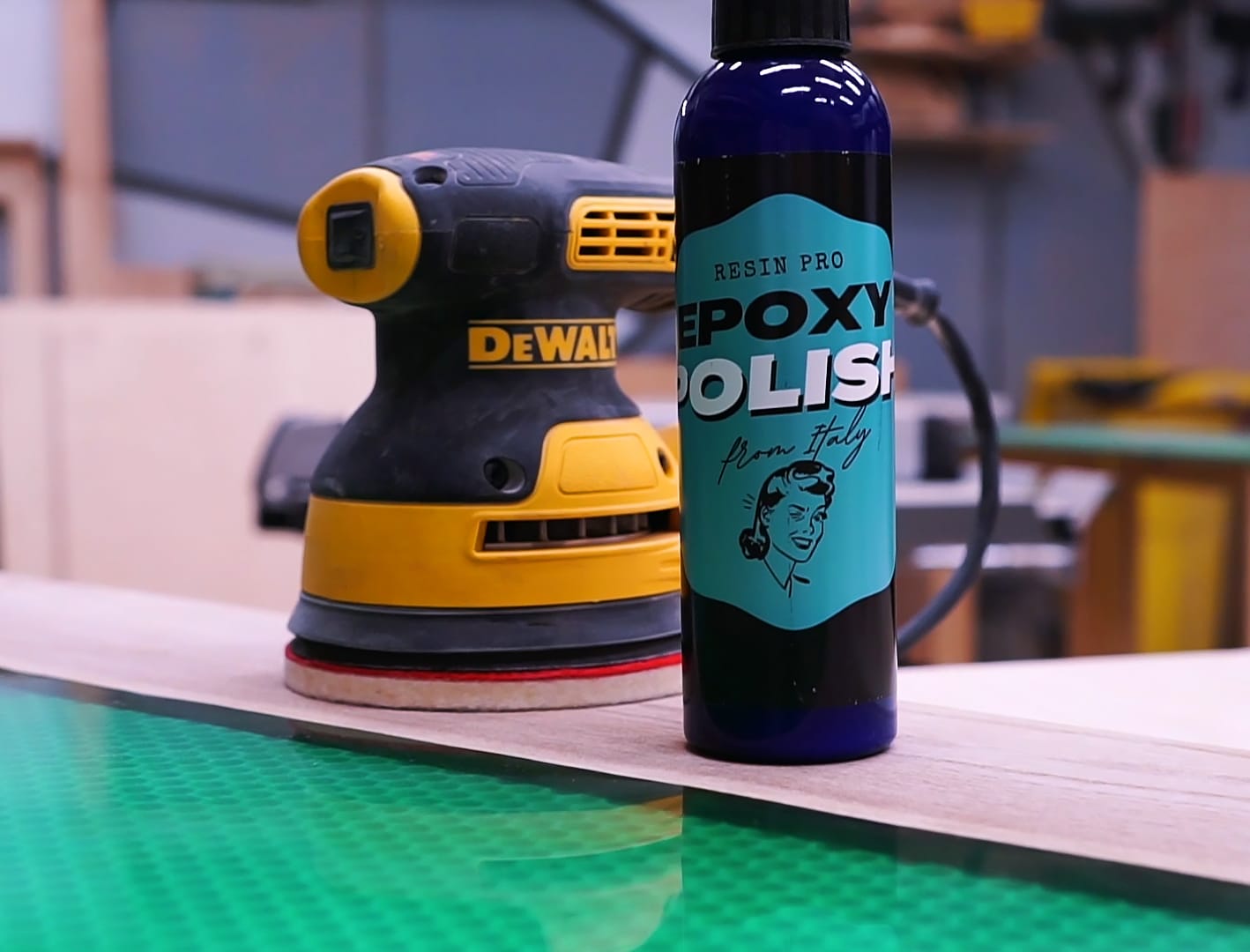
- "Epoxy Polish" – Epoxy Resin Polishing SystemPrice range: £17.85 through £44.85"Epoxy Polish" offers a system for polishing epoxy resin surfaces to a glossy, mirror-like finish, suited for resin art and jewellery.
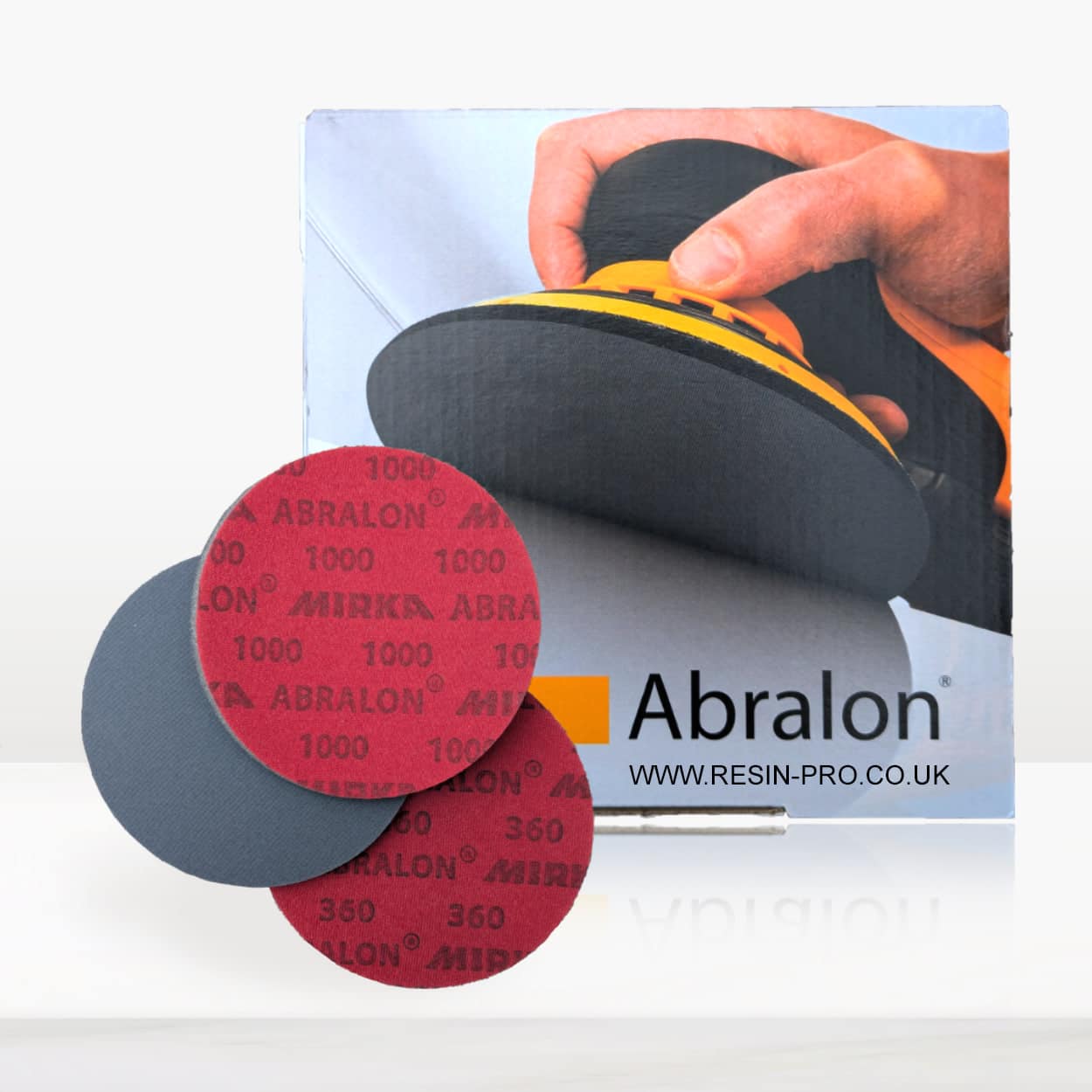 "Ebonite Abralon" – Sanding Pads 360-4000 Grit for Resin and Wood£3.95"Ebonite Abralon" sanding pads offer a range of grits for precise polishing of resin and wood, suited to careful finishing tasks.
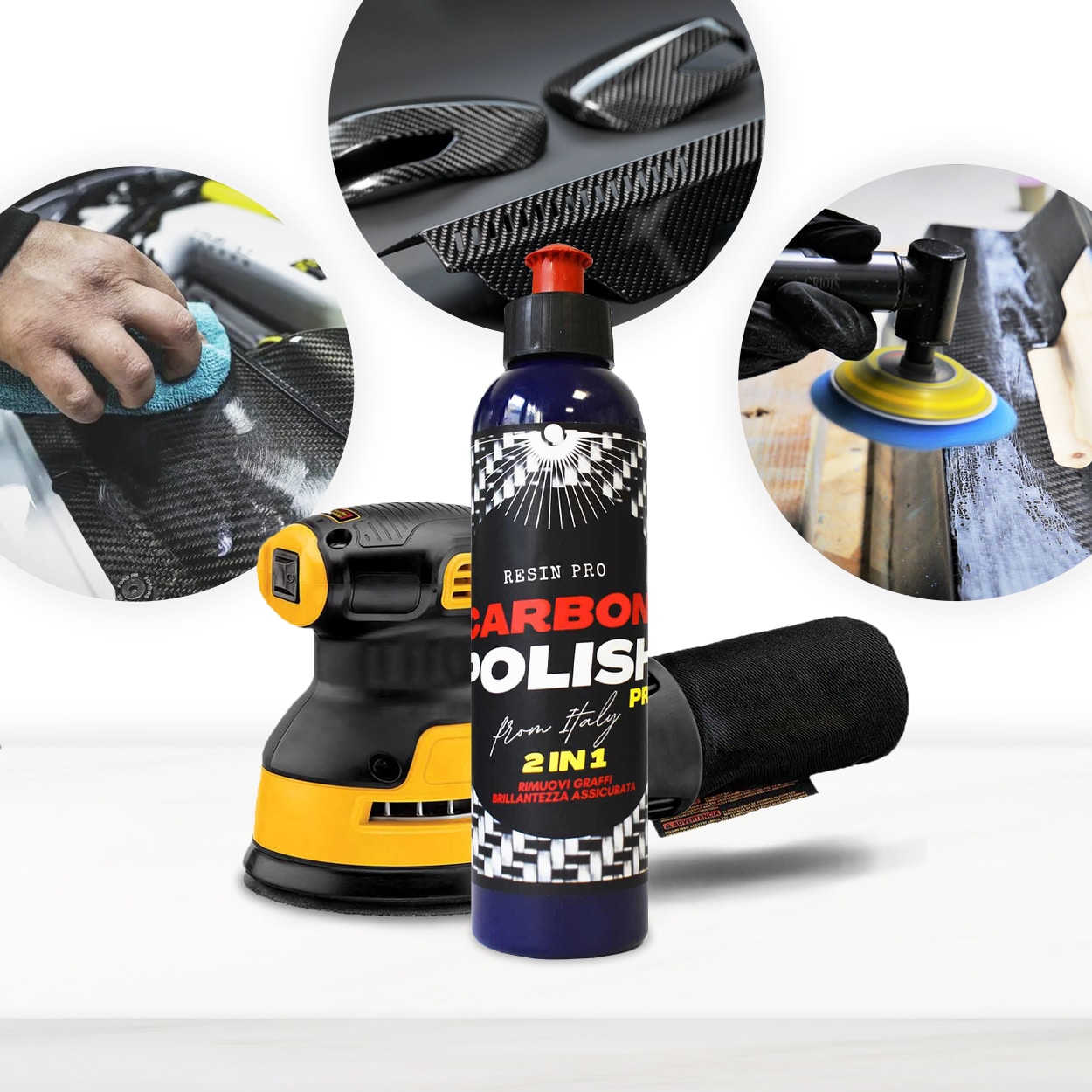 "Carbon Polish" – Polishing System for Dark and Black Surfaces, 250mlPrice range: £17.85 through £44.85"Carbon Polish" is designed for polishing dark and black surfaces, suitable for epoxy resin projects aiming for a smooth, gloss finish.
 Manual Polishing Pad Holder for Sanding & Polishind Pads£4.85The Manual Polishing Pad Holder supports effortless manual polishing and sanding, suitable for detailed resin jewellery work.
Frequently Asked Questions
Do I need to use a polishing compound for resin jewellery?
Polishing compounds are highly recommended for the final stage to achieve a glass-like finish and remove any lingering haze left from sanding.
What grit should I use before polishing resin?
Finish with 3000–4000 grit for best polishing results; starting with lower grits and working up prevents scratches and dullness.
Can I polish resin jewellery by hand without power tools?
Yes—manual sanding and hand polishing are effective, especially when using a dedicated pad holder for even pressure.
What causes a cloudy finish after polishing resin?
Cloudiness usually results from incomplete sanding progression or insufficient buffing—make sure each stage is thorough and even.
Should I wet or dry sand when polishing resin jewellery?
Wet sanding is preferred to reduce dust, prevent overheating, and achieve a smooth, professional base for polishing.
Can I use household polish on resin jewellery?
Household polishes may contain solvents or abrasives that can damage resin; always use compounds designed for epoxy surfaces.