 Free shipping on orders over £29,85
  Shipping Tracking!


 Google
 Facebook
How do you polish crystal resin?
Step-by-step guide for perfect clarity and shine every time


Polishing crystal resin is the key to transforming your resin pieces from a sanded, matt surface to a dazzling, high-gloss finish. Whether you are working on jewellery, artwork, or a table, mastering the polishing process elevates your projects with superb clarity, depth, and brilliance. This guide will walk you through each step, from initial sanding to the final polish, helping you achieve results that truly stand out.
What You’ll Need
- “Ebonite Abralon” – Sanding Pads 360-4000 Grit for Resin and Wood – Essential for progressive sanding and a smooth base
- 1200W Polisher for Sanding and Buffing – Variable Speed, D-Handle – Recommended for controlled, even polishing on larger surfaces
- Polishing Sponge Discs 150mm – 2 Pack – For the crucial buffing stages to boost shine
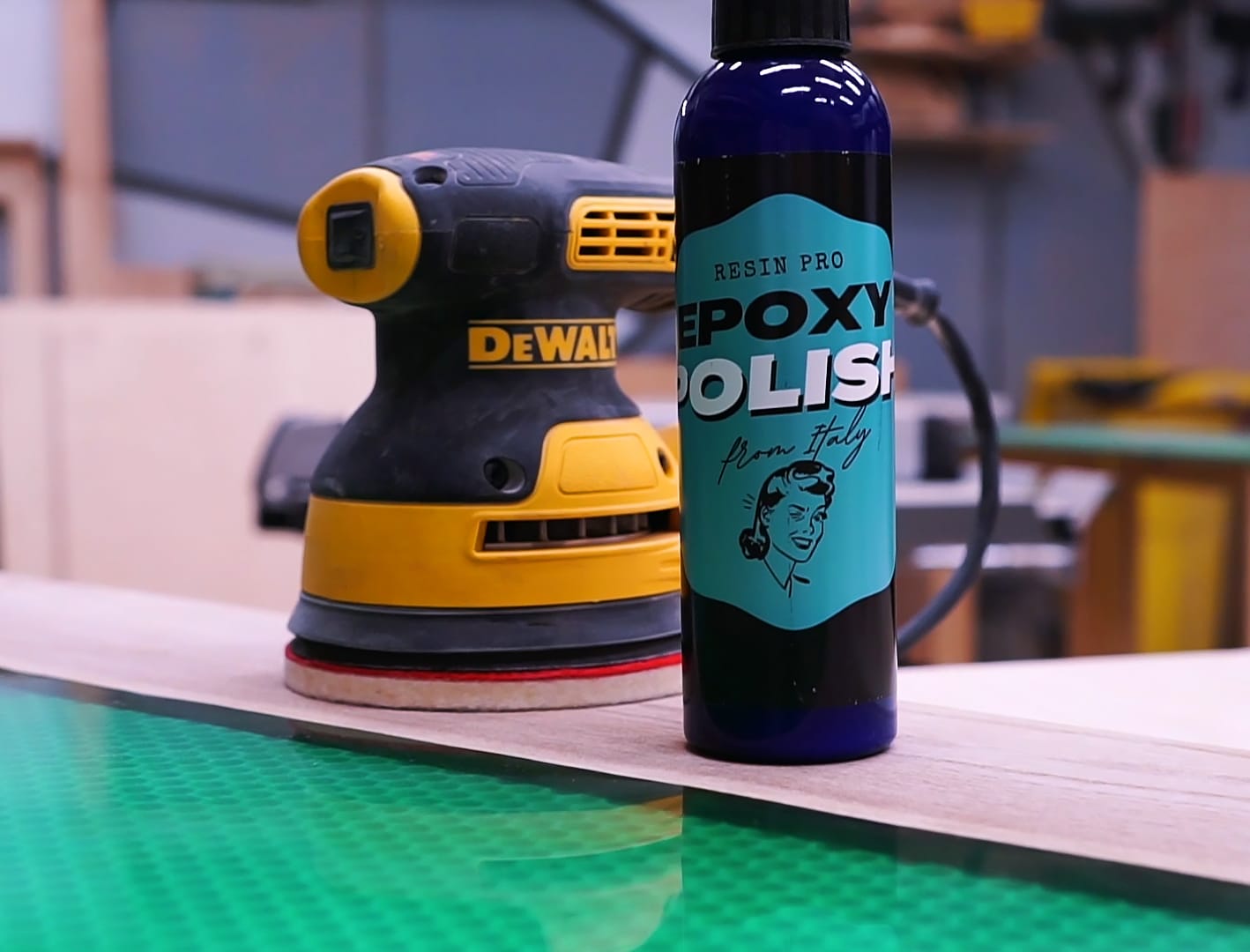
- “Epoxy Polish” – Epoxy Resin Polishing System – Specially formulated polish for resin surfaces, delivering high-gloss clarity

Essential Tools for Resin Polishing Success
Achieving a flawless, glossy resin finish requires proper preparation and the right tools. Choose sanding pads of varying grits, a reliable polisher for large projects, and specialist compounds designed for resin. Each item in your toolkit streamlines the process, helping you turn dull or scratched surfaces into gleaming, professional results.

Step 1: Sand the Resin Surface Smoothly
Begin by ensuring your resin piece is fully cured and clean of any dust or debris. Use a series of sanding pads, increasing the grit gradually, to smooth and even out the resin. The goal is to remove casting marks, slight imperfections, or any dullness from the surface. For small pieces, hand sanding works well; for larger areas, a variable speed polisher can provide uniform pressure and even results.
Work gradually through the grits, starting with a coarser pad (around 360) and progressing step-by-step up to 4000. Wet sanding is preferable for crystal-clear resin, as it reduces dust and avoids surface overheating. Always sand in circular motions and rinse the surface between each grit to remove residue.
Tip: The “Ebonite Abralon” – Sanding Pads 360-4000 Grit for Resin and Wood are designed for this detailed, multi-stage sanding process, supporting both wet and dry techniques.
Step 2: Refine the Surface and Remove Micro-Scratches
Once the surface feels uniformly smooth, inspect for any remaining scratches or matte areas. Repeat sanding with the finest pad as needed, ensuring the whole piece is even and ready for polishing. Rinse thoroughly and pat dry with a soft cloth before proceeding.
Refine the surface and inspect between steps to eliminate swirl marks and micro-abrasions. If using power tools like the 1200W Polisher for Sanding and Buffing – Variable Speed, D-Handle, maintain a low speed and keep the tool moving to prevent heat build-up, which can dull or distort resin.
Step 3: Apply and Buff the Polishing Compound
Now your surface is ready for the transformation from satin to shine. Choose a professional-grade compound formulated for epoxy resin. Apply a small amount of polish to the surface or directly onto a clean polishing sponge disc. Work the product in using overlapping circular motions, either by hand or with a polisher fitted with a sponge pad, until the polish is nearly invisible and the resin glows with a gloss finish.
Buff the resin to a true gloss using gentle, even pressure and gradual speed. Avoid overworking one spot—consistent movement is key to preventing hazing. For best results on intricate or flat surfaces, employ Polishing Sponge Discs 150mm – 2 Pack and “Epoxy Polish” – Epoxy Resin Polishing System for a lasting, mirror-like finish. If required, repeat the process until the surface is flawless.
Tips and Common Mistakes to Avoid
Avoid excessive pressure during sanding; let the abrasives do the work. Pushing too hard can create uneven spots or dull the resin. Ensure surface is clean and dust-free before polishing, as trapped grit may scratch your work. Check surface at every stage for smooth, even finish—skipping grits or rushing through steps often results in visible lines or cloudiness.
If the surface remains hazy, repeat the final sanding and polishing stages. Always test products on a spare sample if polishing a valued or delicate piece.
Visual Examples: Before and After Crystal Resin Polishing
Polished crystal resin transforms from a cloudy appearance to a reflective gloss. Real project examples show the difference made by careful sanding, refining, and the right polishing products, highlighting how clear, radiant finishes enhance every detail of your work.

- "Epoxy Polish" – Epoxy Resin Polishing SystemPrice range: £17.85 through £44.85"Epoxy Polish" offers a professional formula suitable for achieving a glossy finish on resin surfaces using a polishing system.
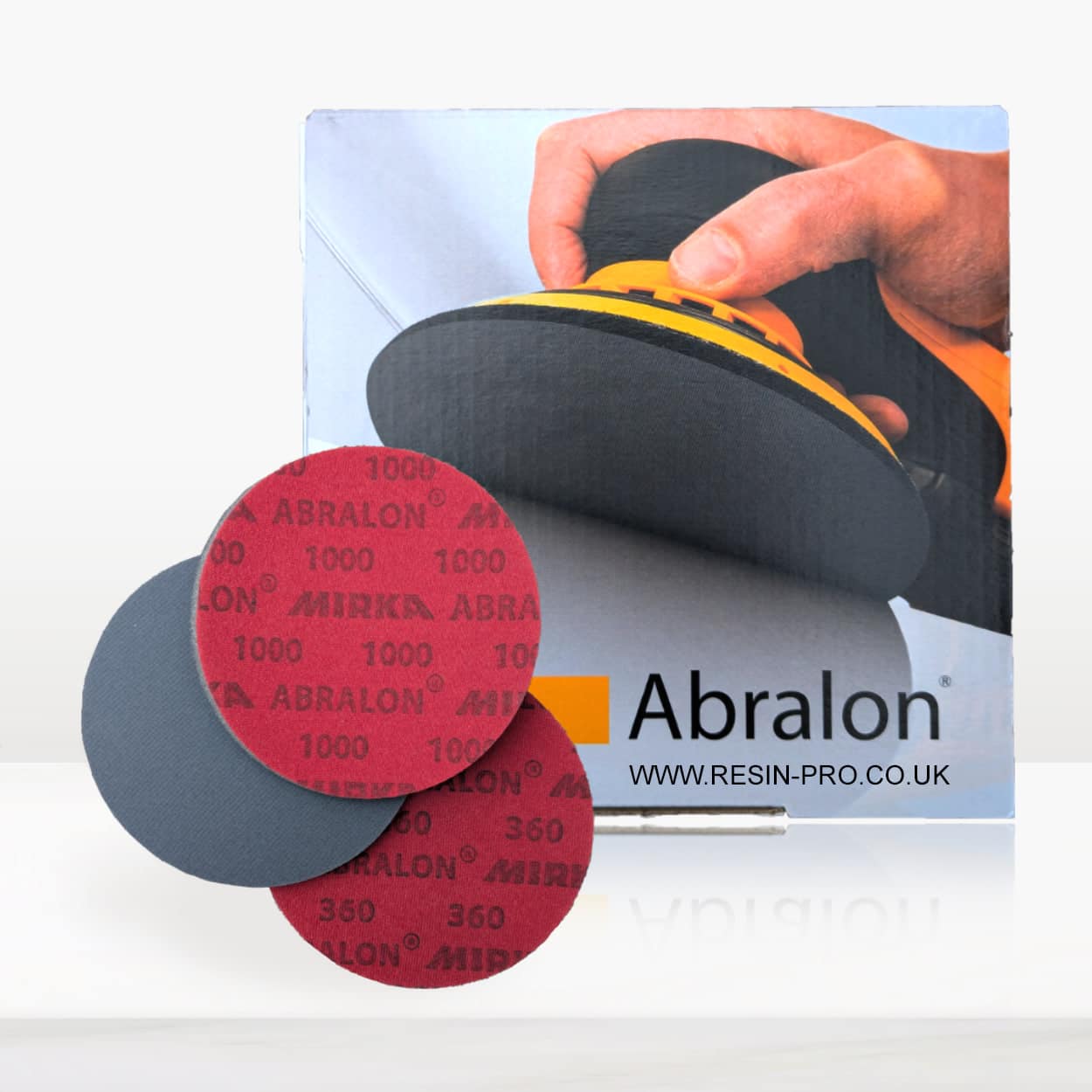 "Ebonite Abralon" – Sanding Pads 360-4000 Grit for Resin and Wood£3.95Ebonite Abralon Sanding Pads offer precise sanding for resin and wood with grits from 360 to 4000, suitable for wet or dry use.
 1200W Polisher for Sanding and Buffing – Variable Speed, D-Handle£85.95The 1200W Polisher provides variable speed control and a sturdy D-handle for sanding and polishing epoxy resin projects.
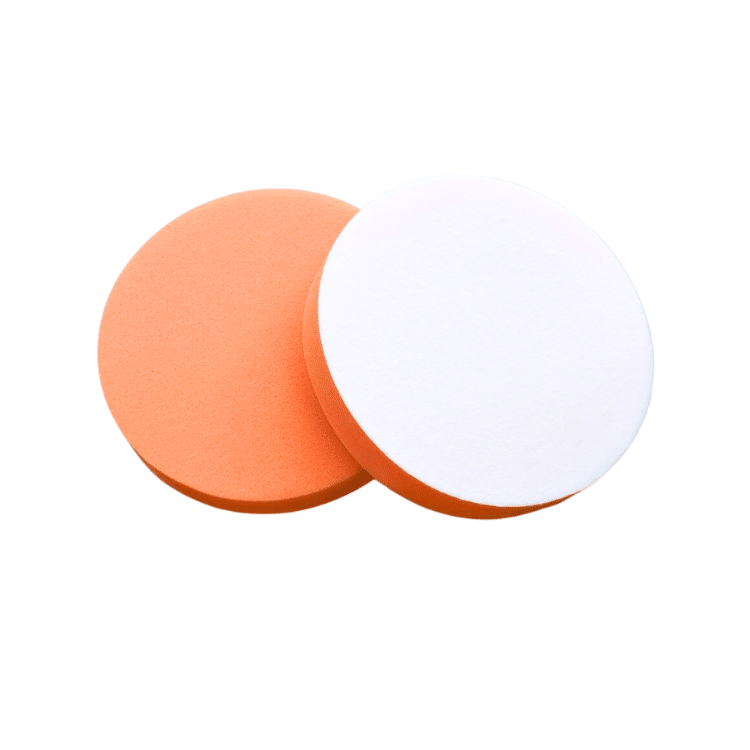 Polishing Sponge Discs 150mm – 2 Pack£7.85Polishing Sponge Discs 150mm – 2 Pack offer a professional finish for epoxy resin projects suitable for beginners and experienced users.
Frequently Asked Questions
Do you need a special polish for crystal resin?
Yes, specialist resin polishing compounds like those designed for epoxy produce a high-gloss and virtually scratch-free result.
Why is my crystal resin hazy after polishing?
Haze is usually due to incomplete sanding or skipping grits. Resume with a finer pad and polish thoroughly; always clean between each step.
Can I polish resin by hand without machines?
It is possible, especially on small objects. However, consistent, high-gloss finishes are much easier and faster with the help of polishing tools.
Should I wet sand resin, or is dry sanding better?
Wet sanding is recommended for resin as it minimises dust, reduces heat buildup, and gives a clearer, smoother result.
How do I prevent scratches during polishing?
Use progressively finer abrasives, clean thoroughly between steps, and apply polish with clean, soft discs or cloths.
Can I use car polish or wax on resin surfaces?
Dedicated resin polishes are recommended. Car polishes or waxes may be less effective and could impair the clarity of crystal resin.