 Free shipping on orders over £29,85
  Shipping Tracking!


 Google
 Facebook
← Back to How to polish DIY resin
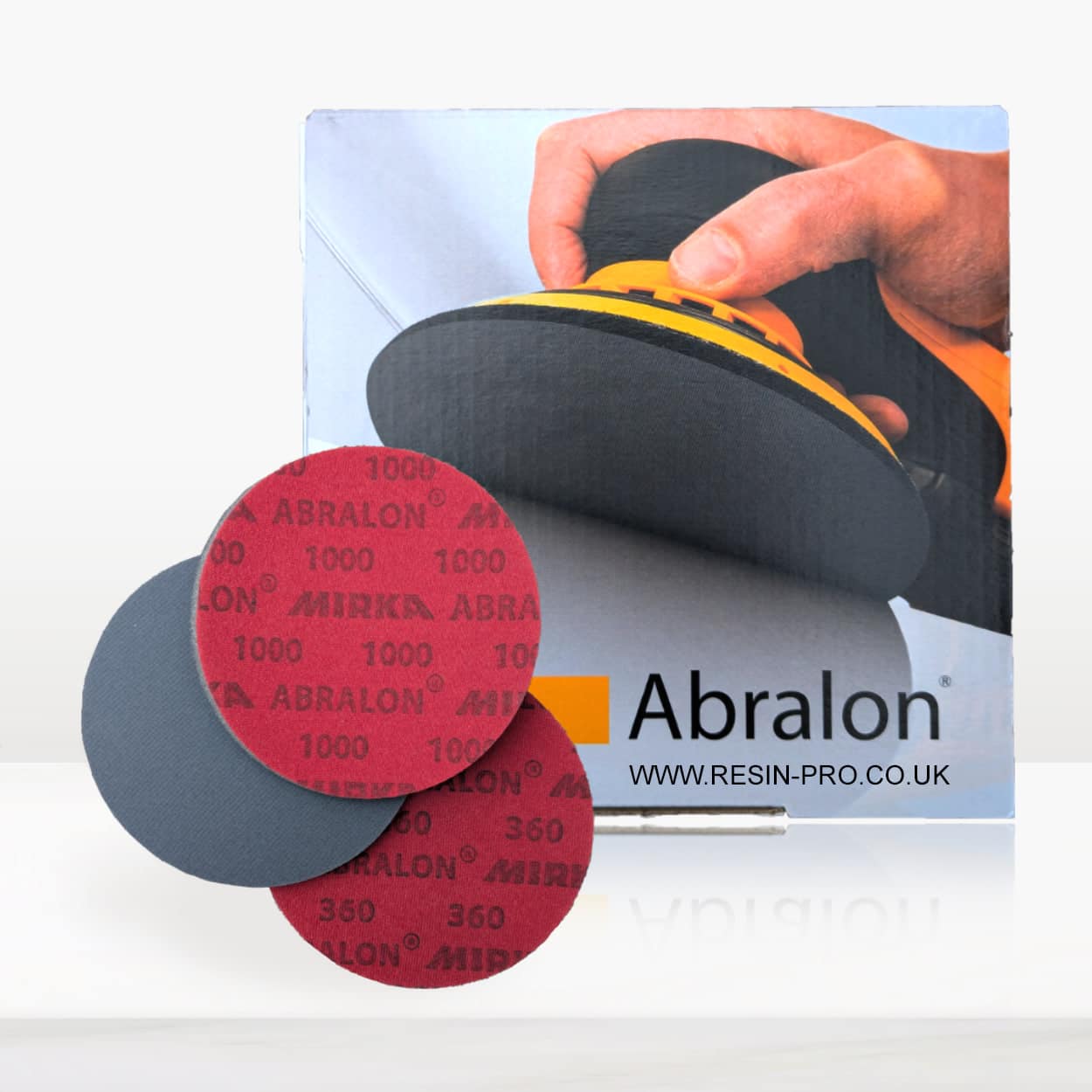
Choosing the correct sanding pad grit at every stage makes a world of difference to your resin project’s final shine. A thoughtful grit progression ensures quicker smoothing, fewer scratches and an easier path towards a truly glossy surface.
Understanding Grit Progression
When sanding resin, start with a coarser pad and gradually move to finer grits. For example, 360–800 grit pads remove larger imperfections, while 1200–4000 grit pads refine and prepare the surface for polishing. Progression is key—each level removes marks from the previous stage, resulting in a glassy finish. The Ebonite Abralon Sanding Pads offer a full grit range suitable for resin and wood.
Steps for Proper Sanding
- Initial sanding: Begin with 360 or 600 grit to smooth rough areas and remove larger defects.
- Intermediate steps: Move up through 800, 1200, and if needed, 2000 grit pads to refine the finish.
- Final smoothing: Finish with 3000–4000 grit for a satin look and ideal preparation for polishing.
Use wet sanding to reduce dust and keep resin cool throughout. Ensure each grit is used fully before progressing to the next.
Enhancing Results with the Right Tools
Manual sanding works well for small or detailed items, but for larger surfaces, a dedicated polisher such as the 1200W Polisher offers speed and consistent pressure. For the final gloss, apply a resin polishing system—for example, Epoxy Polish—to bring out a truly professional shine. Always clean the surface between grit changes to avoid contaminating finer pads.
When This Matters
Using the right grit is crucial for river tables, jewellery, and art castings where clarity and smoothness are essential. Skipping grit steps often leads to stubborn scratches that show up under polish.
Related products
Related guides
Mastering the sanding stages sets the foundation for flawless resin finishing. For more in-depth guidance on bringing out a stunning shine, see our complete guide to polishing DIY resin.