 Free shipping on orders over £29,85
  Shipping Tracking!


 Google
 Facebook
← Back to how to polish UV resin
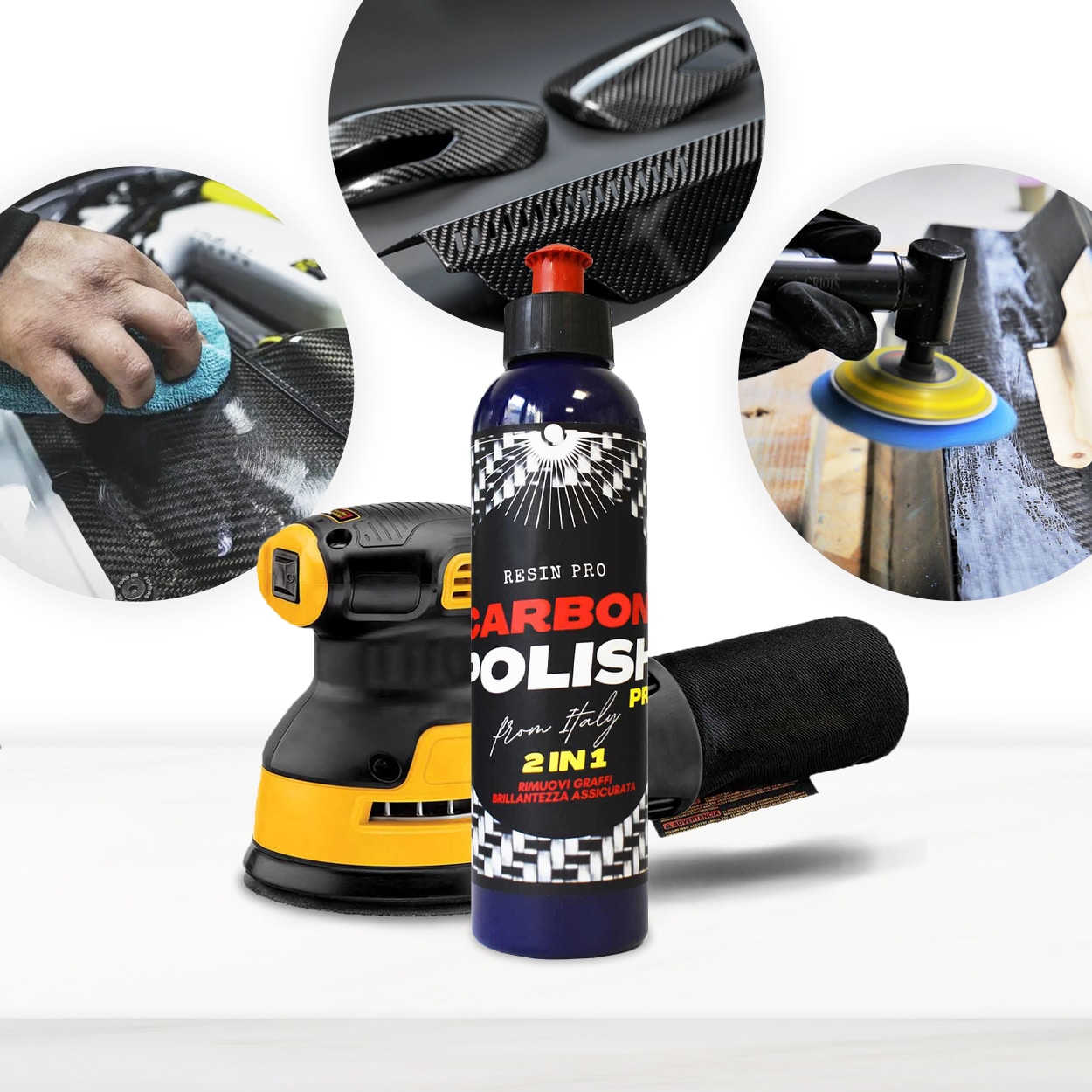
Polishing dark UV resin requires the right products to avoid unwanted whitening or streaks. Choosing a polish made for dark or black surfaces ensures the best finish on your project.
Why Regular Polish Can Leave White Marks
Standard polishes are often designed for clear or light surfaces and may leave a chalky residue or visible white marks on dark UV resin. This is particularly noticeable after polishing black or carbon-effect resin where a bright haze can spoil the deep finish. To achieve a flawless result, select a polish specifically formulated not to whiten dark surfaces.
The Best Type of Polish for Dark UV Resin
For dark UV resin, a dedicated product like Carbon Polish is ideal. Its gentle, silicone-free abrasives are developed for black and dark resin finishes, working to restore shine without the cloudiness that can come from conventional products. This polish suits both manual and machine application, letting you achieve a high-gloss finish while protecting your surface from the unsightly white effects generic abrasive pastes can cause.
Application Tips for a Glossy Black Finish
- Start by sanding the resin with fine-grit sanding pads, such as the Ebonite Abralon range, working up through the grades for a smooth base.
- Apply Carbon Polish with a microfibre cloth for smaller items or use an electric polisher on larger surfaces like table tops.
- Buff gently, making sure not to leave excess product on the surface. Multiple light passes usually achieve the best results.
When This Matters
If your project uses black pigments or features a carbon look, the right polish is crucial for maintaining vibrancy and clarity. It’s especially important for jewellery, display pieces, or any resin work where surface appearance is the focus.
Related products
Related guides
Selecting the correct polish keeps your dark UV resin projects looking stunning. For a step-by-step approach, see our advice on how to polish UV resin and achieve a truly professional result.