 Free shipping on orders over £29,85
  Shipping Tracking!


 Google
 Facebook
How to polish objects made of clear epoxy resin?
Step-by-step guide to restoring clarity and high-gloss shine


Polishing clear epoxy resin objects is an important finishing step if you want your work to achieve maximum transparency and a true glossy, mirror-like surface. Whether you craft resin jewellery, tables, or decorative pieces, effective polishing removes micro-scratches and restores that professional, glass-like lustre valued by resin artists. This guide will walk you through each stage, from surface preparation to final polish, helping you avoid common pitfalls and ensure your projects always look their best.
What You’ll Need
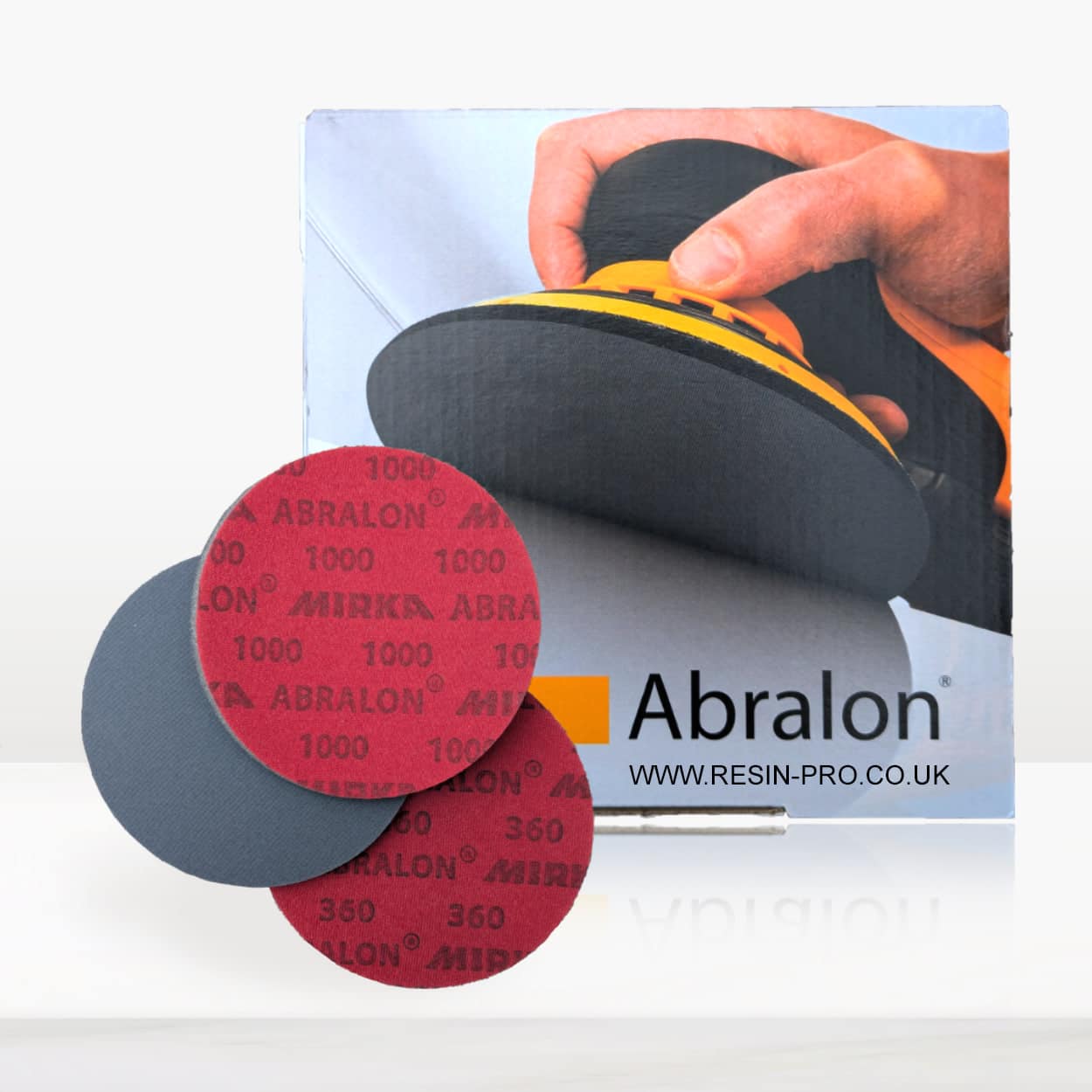
- “Ebonite Abralon” – Sanding Pads 360-4000 Grit for Resin and Wood – For even sanding and scratch removal.
- 1200W Polisher for Sanding and Buffing – Variable Speed, D-Handle – For consistent professional results on resin surfaces.
- “Epoxy Polish” – Epoxy Resin Polishing System – For the final high-gloss polish and scratch removal.
- Clean microfibre cloths and water for wet sanding and wiping residue.

See Professional Resin Polishing in Action
Watch demonstrations of expert sanding and polishing on clear epoxy resin projects to understand technique and see the transformation from dull to mirror finish. Visual examples can clarify each step, show grit progression, and highlight the importance of patience for a flawless shine.

Step 1: Prepare the Resin Surface
Begin by checking the cured resin object for surface imperfections such as bumps, marks, or embedded dust. Ensure the epoxy has fully cured and hardened. Remove any surface dust before sanding to avoid dragging debris across the object and causing scratches. Using a lint-free cloth or compressed air can be helpful at this stage. If the surface has heavy bumps or uneven edges, carefully trim them back with a scalpel or razor before moving to abrasives.
Step 2: Sand Away Imperfections
Sanding is the most important stage to achieve a flawless surface. Start with the right abrasive grit (often 360 or 500 grit) to remove rough spots and surface marks, then work progressively through finer grits (1000, 2000, 3000, and up to 4000). Ebonite Abralon sanding pads are specifically designed for both wet and dry sanding of epoxy resin and help maintain even pressure, reducing the risk of gouging the surface.
Wet sanding minimises heat and dust, creating a smoother finish and extending pad life. Keep the surface lubricated during sanding by applying water regularly and wiping away slurry build-up. Always sand in small, overlapping circles or in the direction of the object’s grain to avoid creating swirls. Take the time to thoroughly remove sanding marks from the previous grit before moving to the next finer one, as skipping grits can leave visible lines after polishing.
Step 3: Polish for a Mirror-Like Gloss
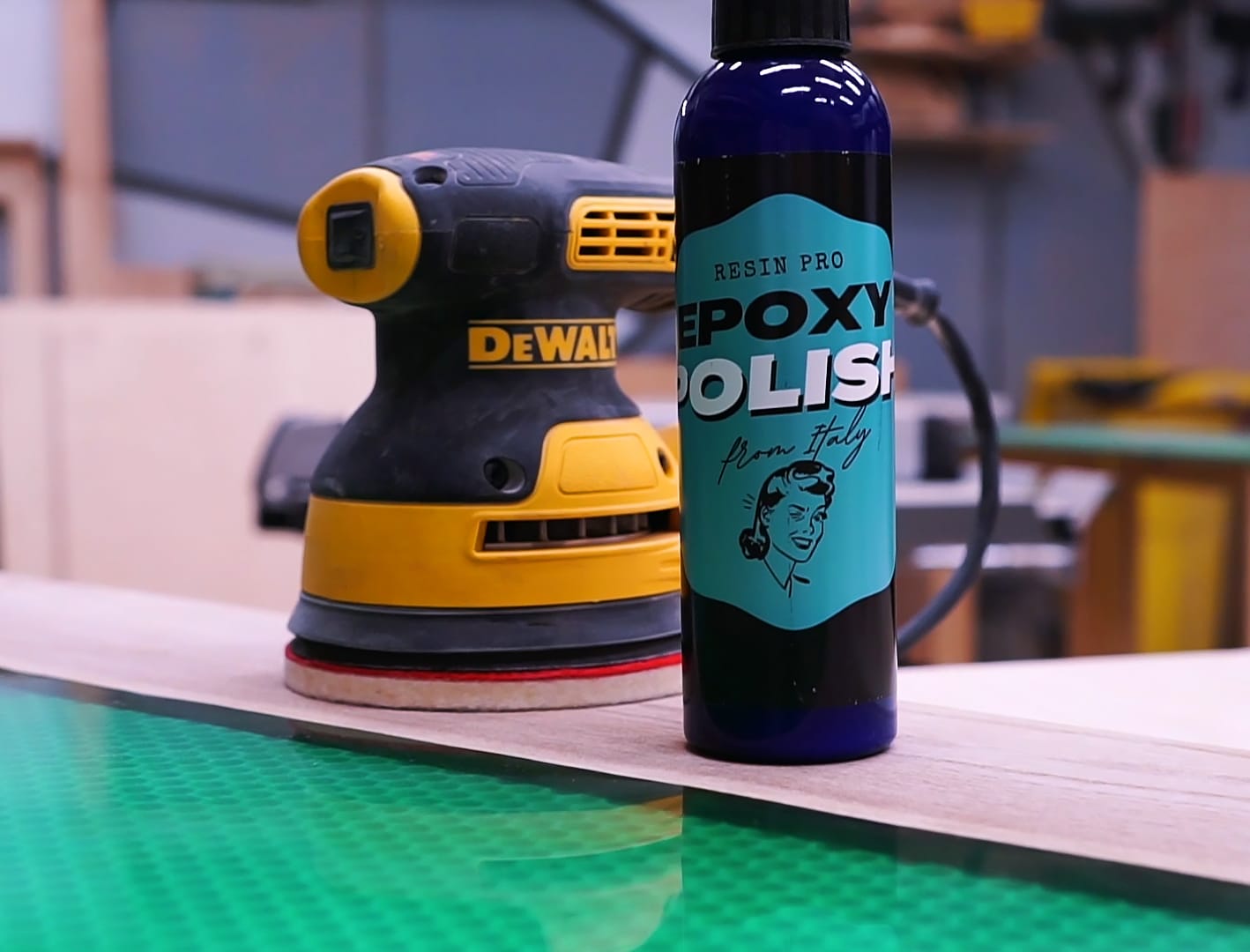
Once you have sanded through all the grits and are satisfied with the clarity, it’s time to polish. Apply a small amount of polishing compound to a clean, soft pad or microfibre cloth. If you want consistent, professional results, a 1200W Polisher for Sanding and Buffing with variable speed and D-handle grip allows you to fine-tune pressure and speed, avoiding excess heat or marring.
Epoxy Polish – Epoxy Resin Polishing System is specially formulated for clear epoxy, removing fine scratches and leaving no swirl marks. Buff with gentle, overlapping motions until the surface achieves the desired gloss. Wipe away any excess polish residue with a clean cloth to reveal the shine.
Step 4: Inspect and Finish the Piece
After polishing, inspect the resin under good lighting from different angles. If any cloudy patches or micro-scratches remain, you may wish to repeat the sanding and polishing steps using a finer grit or less pressure. It’s often useful to make a final polish by hand for control over delicate surface areas. Avoid excessive pressure when polishing as this can result in overheating and dull patches. With well-polished resin, you will notice a depth of clarity and a true reflective finish.
Tips, Common Mistakes, and Troubleshooting
Work with patience, especially on larger flat surfaces like tables, as corners and edges are prone to over-polishing or missed spots. Always check compatibility of abrasives and polish for your specific resin type. Replace sanding pads once they show signs of wear, and keep tools clean to avoid contamination. If you struggle to remove swirls or cloudiness, check for improper grit progression or try a final hand buff with a microfibre cloth.
Before and After: Resin Surface Transformation
Compare unpolished and fully polished epoxy resin objects side by side to appreciate the dramatic improvement that careful preparation and the right products can offer. Note the stark differences in gloss, clarity, and the absence of surface marks.

- "Epoxy Polish" – Epoxy Resin Polishing SystemPrice range: £17.85 through £44.85"Epoxy Polish" offers a polishing system suitable for restoring gloss to epoxy resin projects. It is designed for effortless scratch removal and is…
- "Ebonite Abralon" – Sanding Pads 360-4000 Grit for Resin and Wood£3.95"Ebonite Abralon" Sanding Pads offer grit options from 360 to 4000, suitable for polishing clear epoxy resin and wood surfaces.
 1200W Polisher for Sanding and Buffing – Variable Speed, D-Handle£85.95The 1200W Polisher is suitable for sanding and polishing epoxy resin, featuring variable speed and a sturdy D-handle for control.
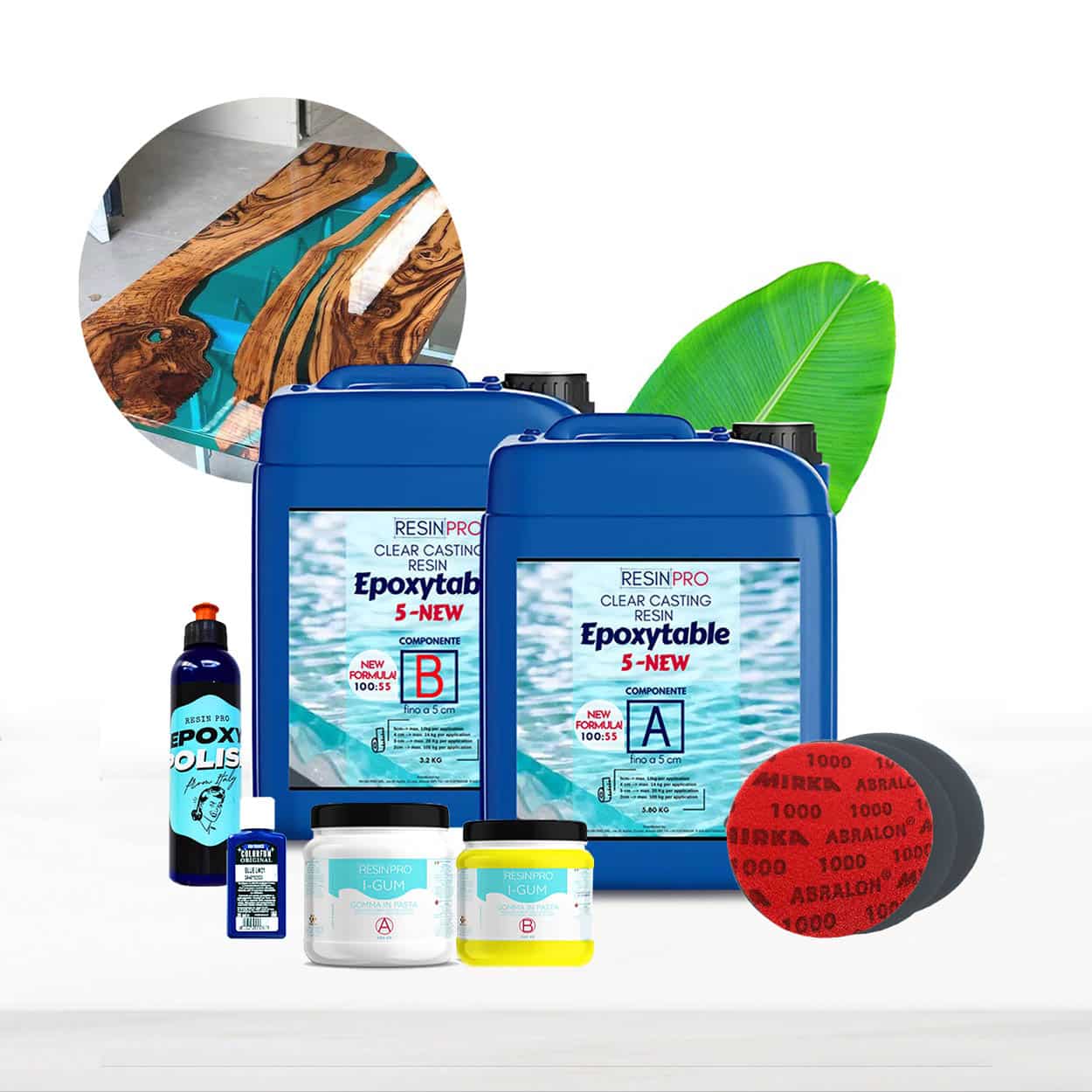 "River-Table" – Complete Kit for Creating Your First Epoxy Resin TablePrice range: £188.85 through £444.85The kit provides materials and instructions for creating resin tables and crafts including a polishing set for finishing.
Frequently Asked Questions
Can I polish epoxy resin by hand or must I use a machine?
You can polish smaller objects by hand, but a polisher provides faster, more consistent results for larger pieces.
Why is my polished resin surface still cloudy?
Cloudiness often results from skipping abrasive grits or rushing sanding. Progress through all grits and polish thoroughly.
How do I prevent scratches during polishing?
Ensure you clean the object before sanding and always use clean, un-worn sanding pads and polishing cloths.
Is wet sanding better than dry for epoxy resin?
Wet sanding helps reduce heat and dust, producing a smoother finish and prolonging pad life. It is recommended for epoxy resin.
What should I do if I overheat the resin whilst polishing?
Allow the resin to cool fully, then resume polishing with reduced speed and pressure to prevent further heat build-up.
Can I use any polishing compound on clear epoxy?
For best results, choose a compound formulated for epoxy resin to ensure a clear, high-gloss finish without residue.