 Free shipping on orders over £29,85
  Shipping Tracking!


 Google
 Facebook
← Back to How do you polish resin creations?
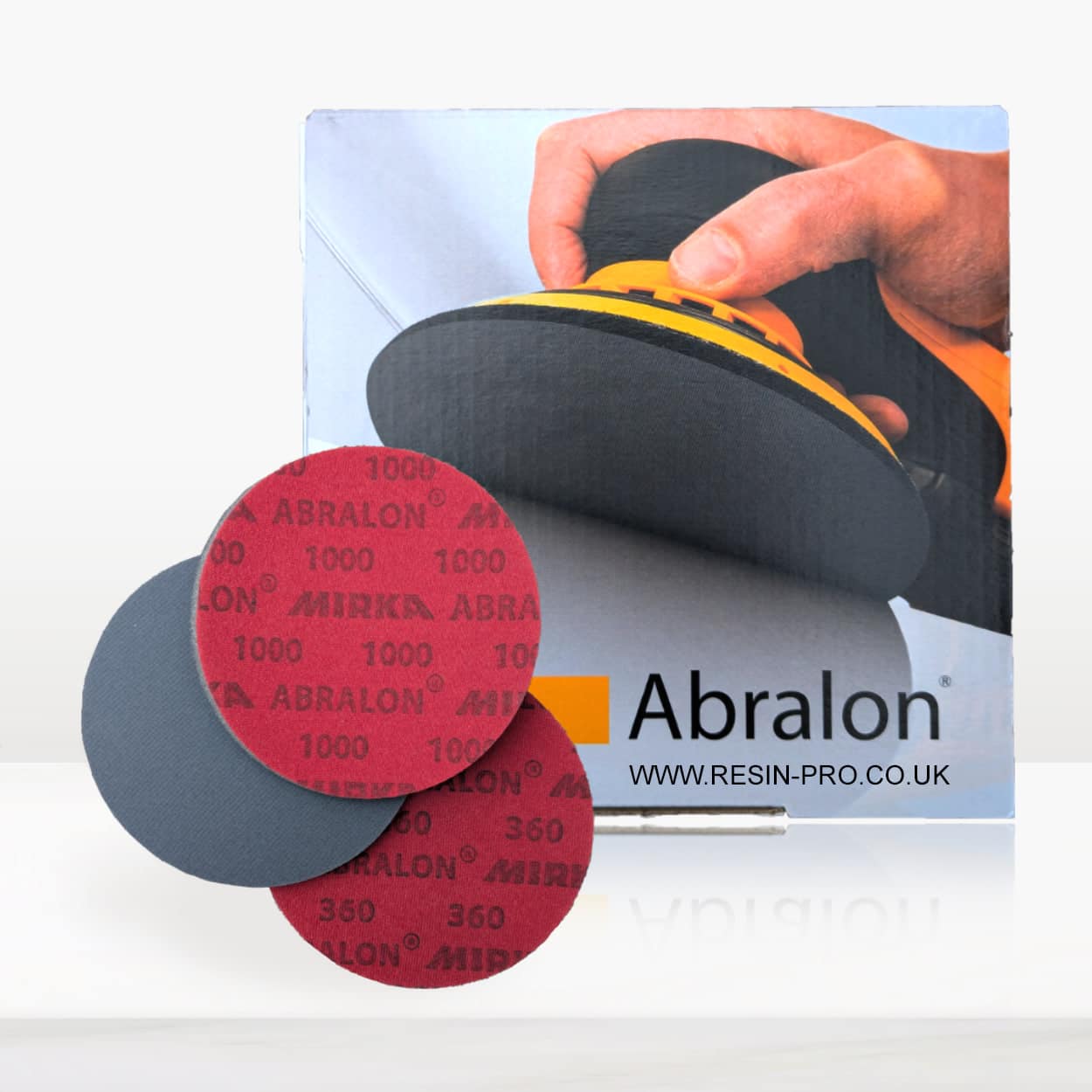
If you’re aiming to achieve a pristine, glossy finish on your resin projects, knowing whether sanding is needed before polishing is key. This step can make a dramatic difference to your results.
Why Sanding Comes First
Sanding is an essential part of resin finishing. The sanding process removes surface imperfections, such as bumps, dust, or minor marks, and smoothens out uneven spots that can happen during curing. Without sanding, even the best polish cannot deliver a flawless result, as remaining surface defects will still show up when light reflects off your finished piece.
How to Prepare Resin for Polishing
Begin sanding with a coarse grit pad, gradually working your way through finer grits to achieve a smooth, scratch-free surface. Specialist pads, like “Ebonite Abralon” Sanding Pads, offer grits from 360 up to 4000 and are ideal as they ensure consistent pressure and can be used wet or dry. Wet sanding is especially helpful for keeping resin cool and minimising dust.
Polishing for the Perfect Finish
Once sanding is complete, only then should polishing begin. Use a resin-specific polish, such as the “Epoxy Polish” Polishing System, with a buffing pad or rotary tool for best results. For large or professional projects, consider equipment like a variable-speed polisher to ensure even gloss and efficient application. Always work in clean stages—residues from sanding should be wiped away before polishing starts.
When This Matters Most
Thorough sanding is especially important for visible resin art, jewellery, table tops, or anytime a mirror-smooth finish is required. Skipping this step may result in dull spots and persistent flaws beneath the surface shine.
Related products
Related guides
Getting that crystal-clear polish on your resin creation all starts with the right prep. For more guidance on resin finishing and to explore the full process, see our main advice at how do you polish resin creations?.