 Free shipping on orders over £29,85
  Shipping Tracking!


 Google
 Facebook
← Back to How to polish a resin statue?
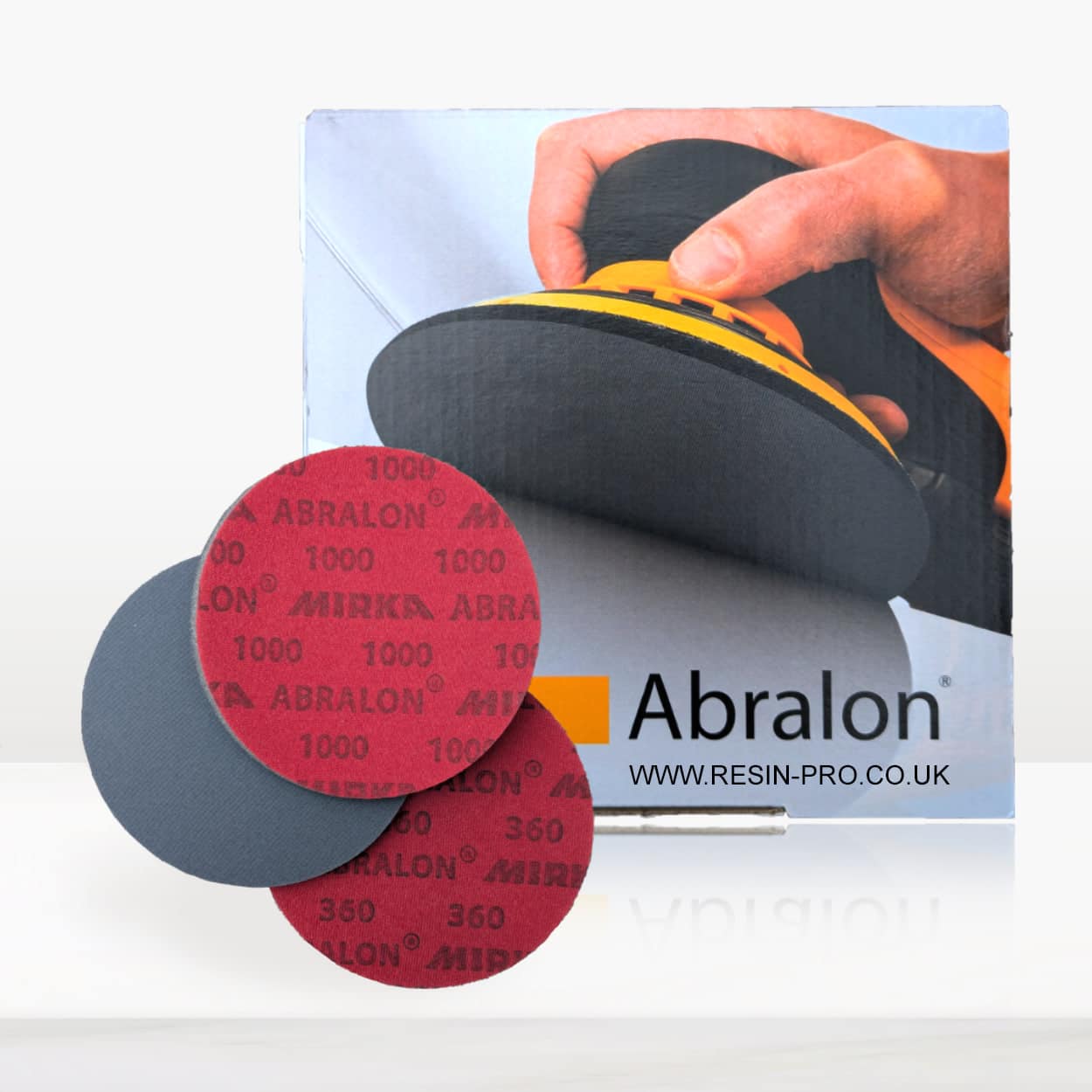
An even, mirror-like finish for your resin statue begins with thorough sanding. Selecting the right sequence of grits is essential to prepare the surface for effective polishing, revealing the full clarity and shine of the resin.
Sanding Grit Progression: From Coarse to Fine
To achieve a flawless surface, start with a low grit to eliminate bumps or flaws, then work your way up through progressively finer grits. For most resin statues, starting around 320–360 grit removes obvious imperfections. Next, continue through steps such as 600, 1000, 2000, and finish with ultra-fine grits like 3000 or 4000. Using pads such as Ebonite Abralon Sanding Pads makes it easy to move through these grits precisely. Always ensure each sanding stage removes scratches from the previous grit before moving on.
Practical Tips for Best Results
Wet sanding is often recommended, as it reduces dust and prevents excessive heating. Apply light, even pressure and sand in circular motions. For intricate statues, padding helps maintain gentle, consistent contact on curves and details. Changing water frequently and rinsing the piece helps prevent grit contamination.
Once satisfied with the ultra-fine grit, your statue will have a smooth, satin appearance—perfectly ready for polishing compounds like Epoxy Polish to bring out a deep gloss.
When Grit Progression Matters Most
Following the correct grit sequence is crucial when your piece has clear or highly reflective surfaces. Skipping grits or improper sanding can leave cloudy patches that polishing alone cannot remove. Particularly for display statues or gifts, taking time with each step pays off in the final lustre.
Related products
Related guides
Careful sanding with the correct grit sequence transforms a resin statue’s look, making the final polish truly shine. For more guidance, see our main guide on how to polish a resin statue.