 Free shipping on orders over £29,85
  Shipping Tracking!


 Google
 Facebook
← Back to How to apply resin to walls?
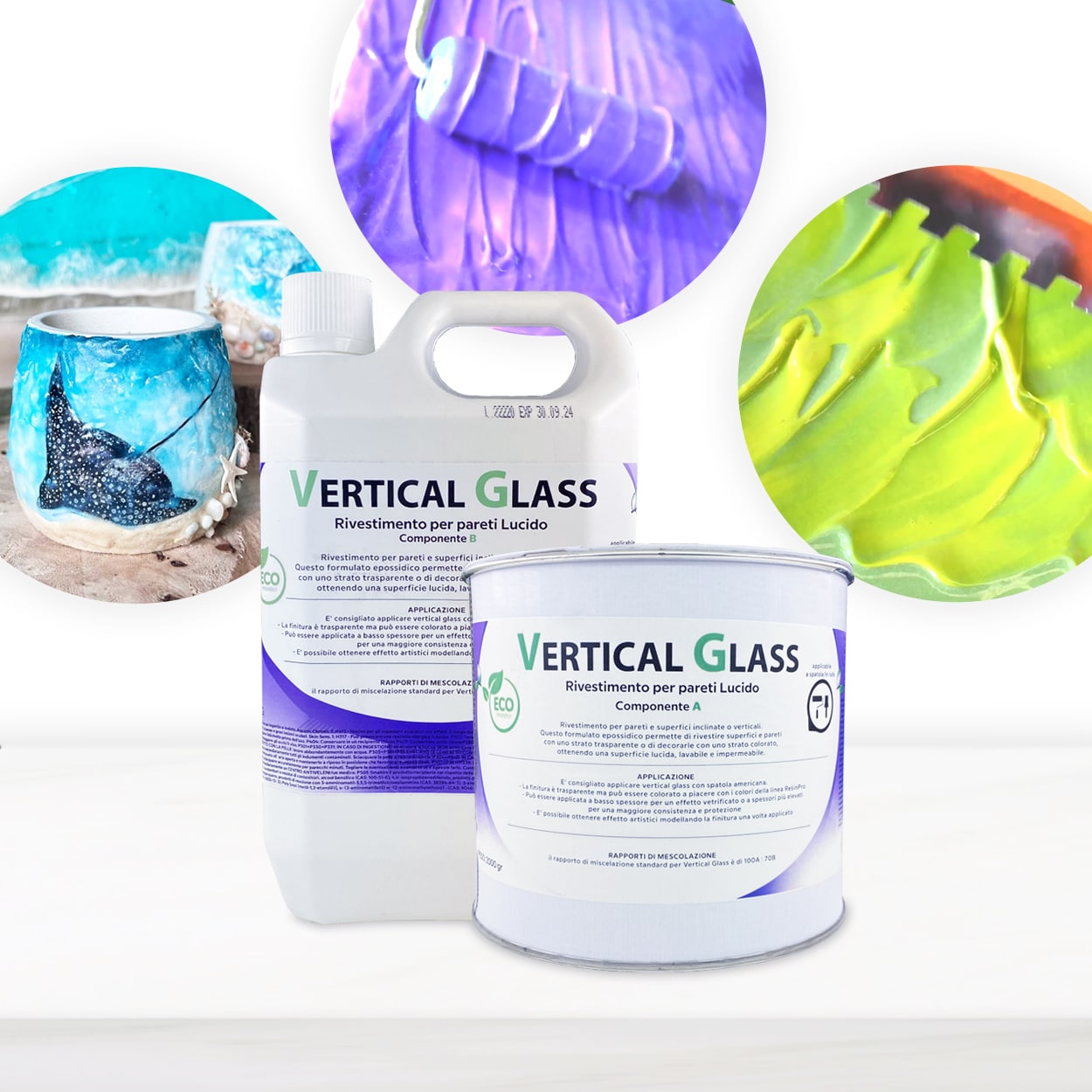
Avoiding resin drips is essential when applying resin to walls or other vertical surfaces, as even minor runs can spoil decorative effects and professional finishes. With the right methods and materials, you can achieve smooth, clean results every time.
Select the Right Resin Formulation
The risk of dripping increases with products designed for self-levelling or pour applications. For vertical surfaces, opt for high-viscosity or non-self-levelling resins which are specifically formulated to stay in place. Products like the “Vertical Glass” – Thick Resin Decorative Wall Coating are designed for such applications, allowing you to build layers and control detail, even on textured surfaces.
Application Techniques for Drip-Free Results
When applying resin to a wall, always work in thin, even layers. A spatula, brush, or a short-pile roller can help you spread the resin more accurately and reduce excess build-up, which can cause runs. Allow each layer to partially set before adding the next. Keep an eye out for any forming drips, so you can smooth them before they cure.
- Apply resin in controlled, thin coats
- Work from the top down and watch for excess accumulation
- Use high-quality tools such as short-pile rollers for edges and flat surfaces
When Drip Prevention Matters Most
Drip prevention is especially crucial when working with decorative pigments, textured finishes, or in visible areas like kitchens and bathrooms. Runs can distort patterns and make repairs challenging, so careful application is key when a flawless appearance is essential.
Related products
Related guides
Mastering drip-free resin application is vital for crisp, resilient wall finishes. For more tips and a complete guide to vertical resin work, explore our main page on how to apply resin to walls.