 Free shipping on orders over £29,85
  Shipping Tracking!


 Google
 Facebook
How do you apply resin to a shower tray?
Step-by-step guide for a glossy, long-lasting waterproof finish

A resin coating on your shower tray delivers a durable, water-resistant, and ultra-glossy finish that transforms both style and protection. Whether you are renovating or updating your shower area, applying a high-quality epoxy resin is a rewarding DIY project that can refresh the appearance and longevity of your tray. This guide explains the complete process clearly, focusing on achieving a smooth, long-lasting result.
What You’ll Need
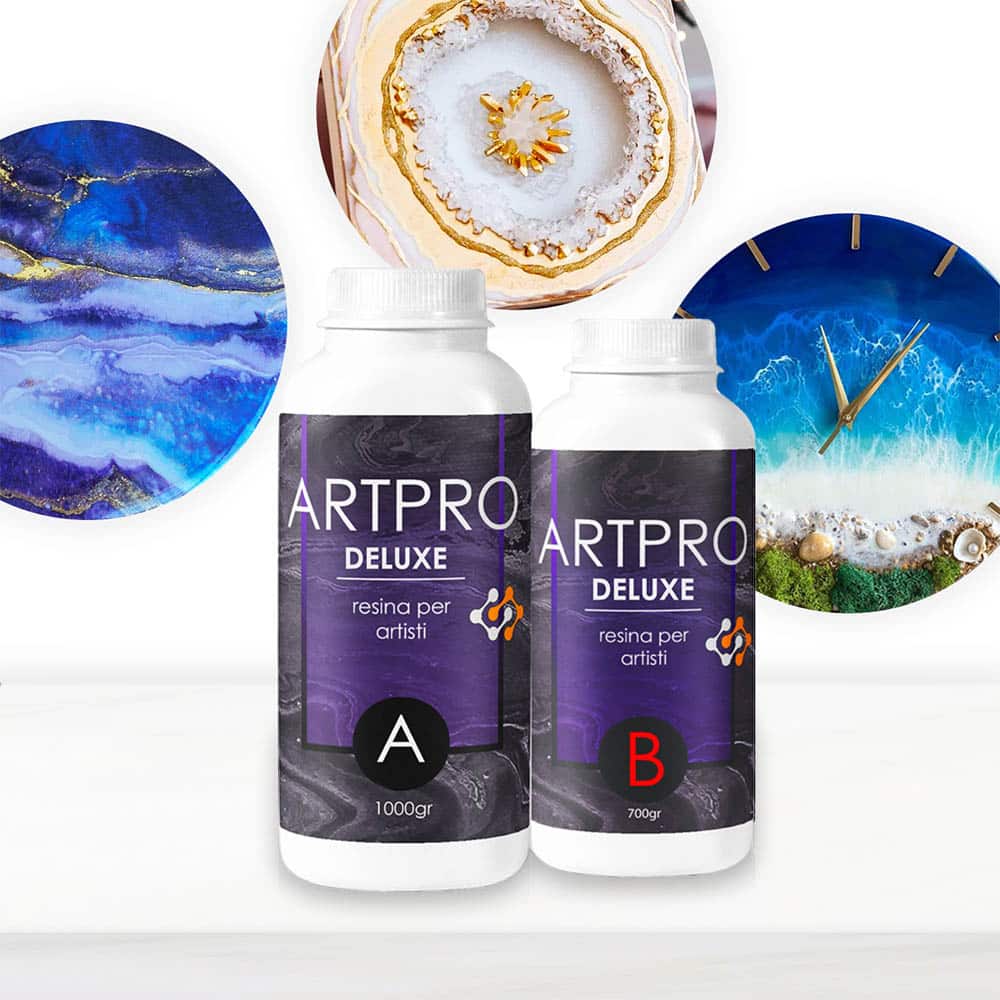
- “Art Pro Deluxe” – Ultra-High Viscosity Epoxy Resin for Artists: Ultra-high viscosity for thick, controlled layers.
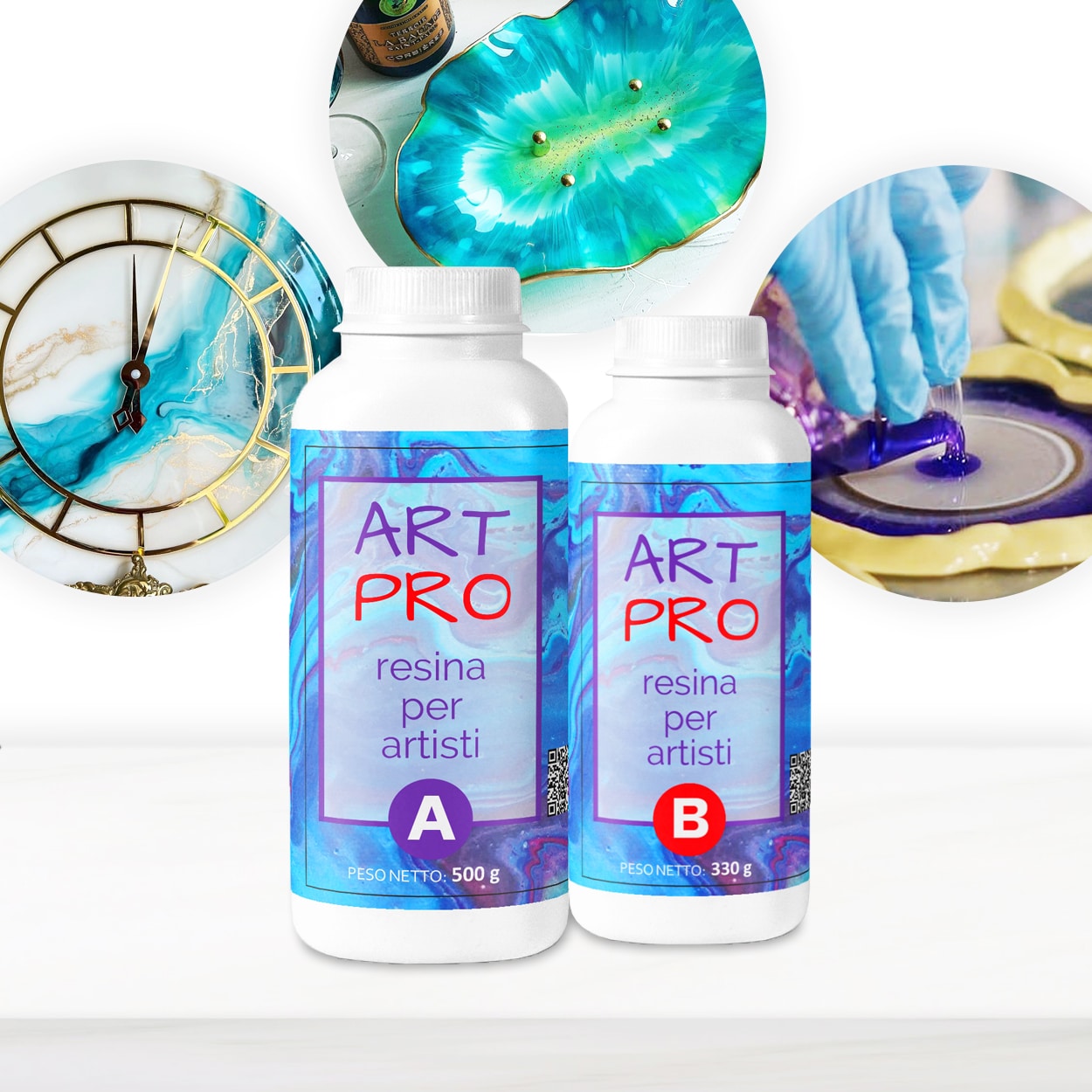
- “Art Pro” – Clear Epoxy Resin for Artists and Surface Coating: Easy to mix, suitable for durable clear finishes.
- “Trasparente” – Multipurpose Clear Epoxy Resin for Casting – Up to 2cm: Self-levelling, ideal for thicker coats.
- “Icrystal” – Clear Epoxy Resin – Odourless Formula – Up to 1.5cm: Odourless, perfect for enclosed spaces.
- Mixing containers and sticks
- Protective gloves and eyewear
- Fine abrasive paper (e.g., 320-400 grit)
- Spirit level
- Masking tape and dust sheets
- Cotton cloth, lint-free

See the Preparation Process Up Close
Step-by-step visuals make resin application easy to follow. Explore images illustrating surface prep, mixing and application stages for a flawless shower tray coating. Clear visual references can boost your confidence before you begin. Browse examples for both classic and modern bathrooms for further inspiration.

Step 1: Prepare the Shower Tray Surface
Proper surface preparation is crucial to ensure good resin adhesion and a flawless finish. Remove any existing silicone, scale, soap scum, or debris from the shower tray using mild detergent and warm water. Ensure the tray is absolutely clean and bone dry before moving forward. Lightly sand the surface with fine abrasive paper to provide a key for the resin. Wipe away all sanding dust with a lint-free, slightly damp cloth, and allow the tray to dry completely to avoid any moisture trapping under the coating.
Step 2: Mask and Level the Area
Use masking tape around the tray edges and over drains or fittings you want to protect from resin. Lay down dust sheets to protect bathroom flooring. Use a spirit level to ensure the tray is perfectly flat before pouring resin—this helps the self-levelling resin to distribute evenly, creating a uniform surface.
Step 3: Mix Your Epoxy Resin
Now you are ready to prepare your resin. Mix your chosen epoxy resin according to manufacturer instructions, paying close attention to the recommended ratio (for example, 3:2 for “Art Pro” or 2:1 for “Icrystal”). Only mix the amount required for one application to avoid premature curing. Stir thoroughly but gently to minimise air bubbles. “Icrystal” is a convenient choice in smaller, enclosed bathrooms due to its odourless formulation; select “Trasparente” for a thicker, highly scratch-resistant finish.

Step 4: Apply the Resin Evenly
Pour the mixed resin onto the tray. Pour in the centre and allow the resin to self-level. Use a clean plastic spreader or brush to help guide the resin towards the edges, making sure every area is uniformly coated. Work carefully to avoid pooling or thin spots. For trays with inclines or vertical faces, “Art Pro Deluxe” is suitable for controlled application because of its thicker consistency. Tackle trapped air bubbles by gently blowing with a heat gun or hairdryer on a low setting.
Step 5: Allow to Cure and Demask
Let the coated tray cure undisturbed, following the resin’s recommended drying time—this may vary depending on your product, generally between 12 and 24 hours for surface-dry, but full mechanical strength is achieved after several days. Do not rush the curing process—do not expose the tray to water or cleaning for at least 72 hours post-application. Once cured, carefully remove masking tape and inspect the finish. Any minor imperfections can be polished out once the resin is fully hardened.
Tips, Troubleshooting, and Common Mistakes
- Wear gloves and protective eyewear at all times to shield yourself from sticky resin splashes.
- If bubbles remain after initial application, gently pass a heat source over the surface within the first 30 minutes.
- Avoid applying resin in humid or poorly ventilated environments, as this can affect curing and clarity.
- Choose your resin based on the tray’s positioning and thickness—thicker resins like “Trasparente” or “Art Pro Deluxe” are best for sloped or vertical surfaces, while odourless options like “Icrystal” work well indoors.
- Never reuse old containers or contaminated mixing tools, as residues affect finish quality.
Finished Project Results and Inspiration
Discover how your shower tray can transform. View before-and-after images of trays coated with different epoxy solutions for a sparkling, renewed look. Notice the glass-like clarity and scratch resistance with “Trasparente” or “Art Pro Deluxe.” Let these results motivate your next DIY project.

- "Art Pro Deluxe" – Ultra-High Viscosity Epoxy Resin for ArtistsPrice range: £33.85 through £287.85"Art Pro Deluxe" ultra-high viscosity epoxy resin is suited for precision resin art with a self-levelling, scratch-resistant finish.
- "Art Pro" – Clear Epoxy Resin for Artists and Surface CoatingPrice range: £31.15 through £388.85Art Pro is a clear epoxy resin offering durable, scratch-resistant, high-gloss finishes, suitable for artists and crafters working on trays and…
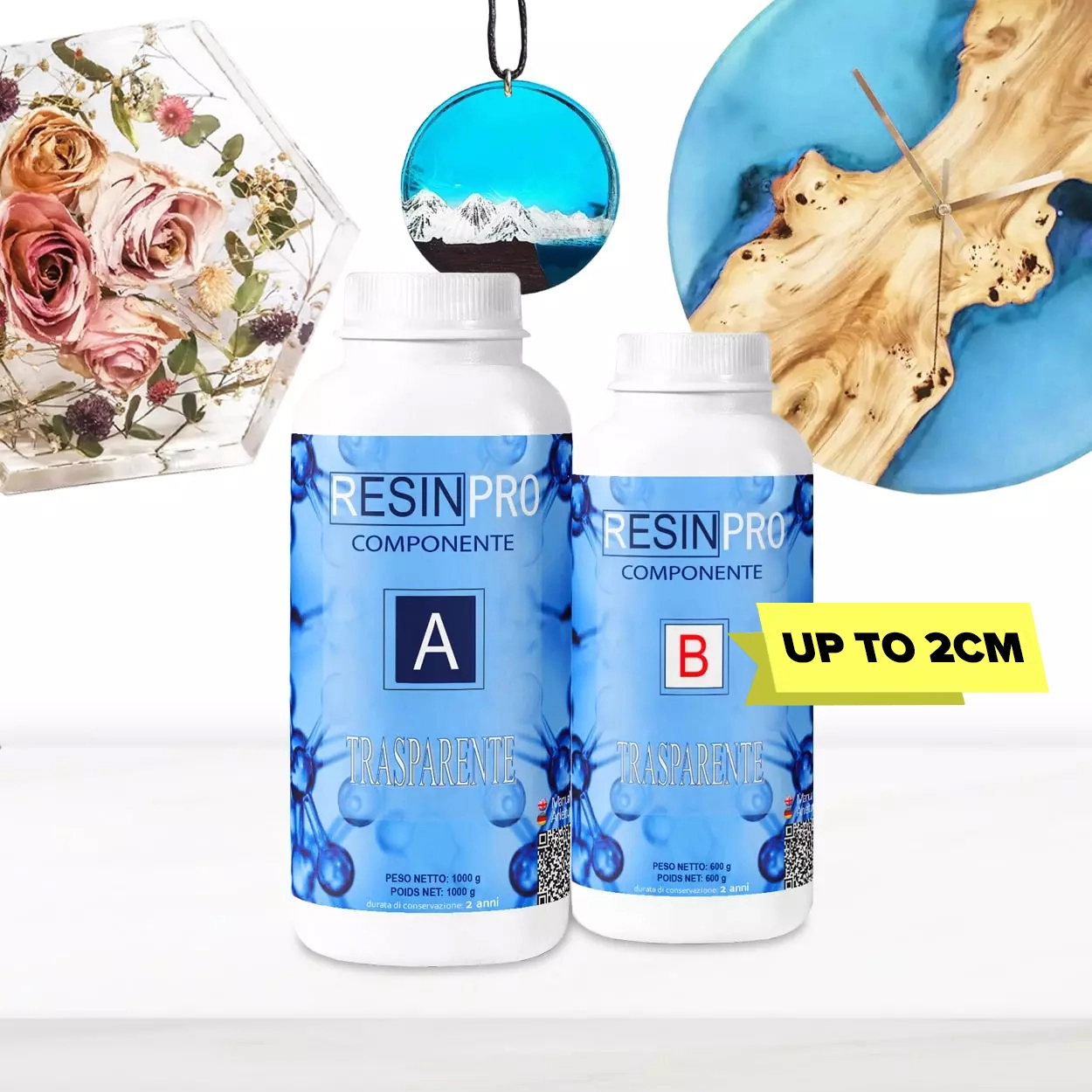 "Trasparente" – Multipurpose Clear Epoxy Resin for Casting – Up to 2cmPrice range: £8.45 through £948.85"Trasparente" is an ultra-clear epoxy resin suitable for detailed casting and table creations within 2cm layers, offering a self-levelling, glossy…
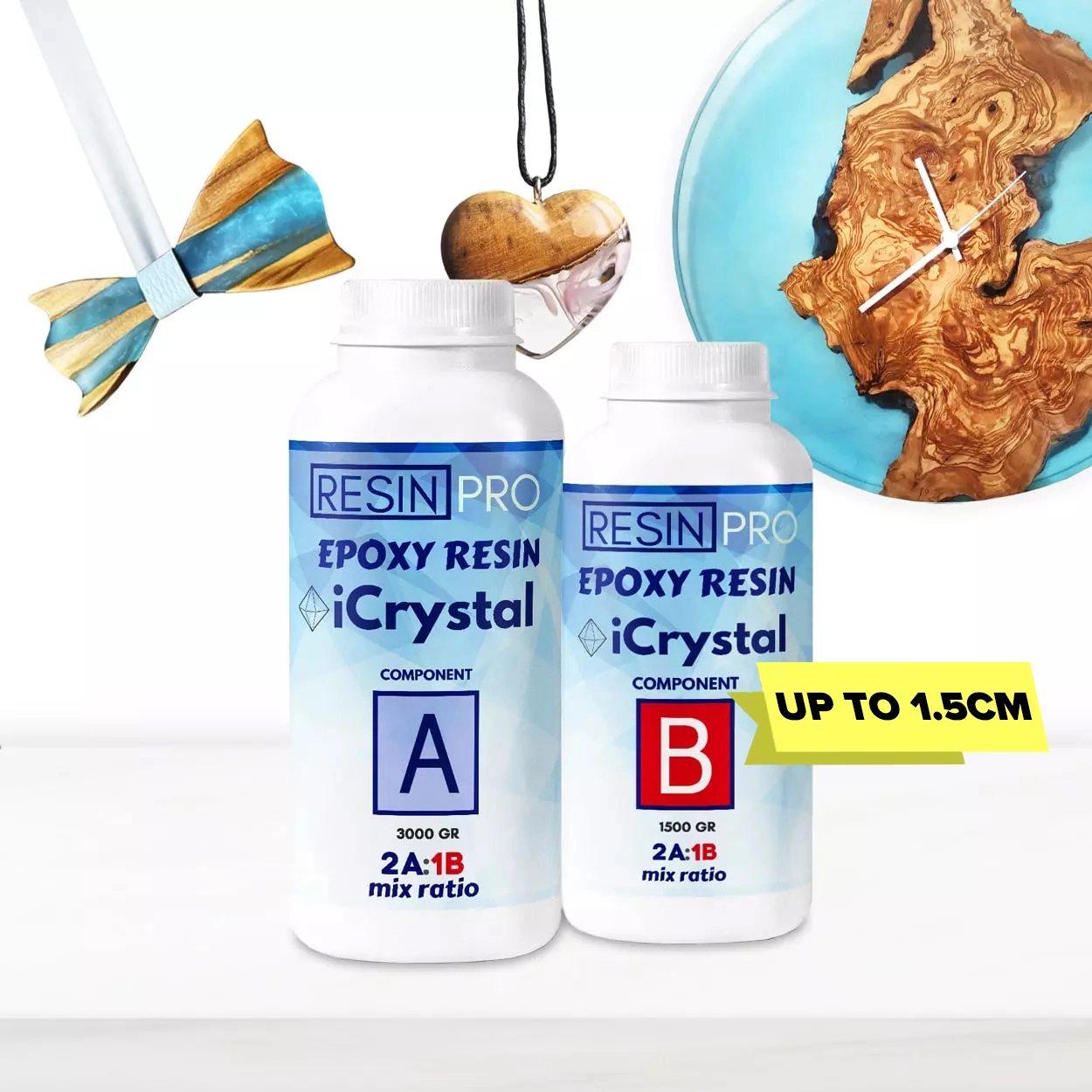 "Icrystal" – Clear Epoxy Resin – Odourless Formula – Up to 1.5cmPrice range: £11.65 through £954.85"Icrystal" transparent epoxy resin is odourless and suitable for clear coatings with moderate heat resistance and scratch resistance.
Frequently Asked Questions
Can you put epoxy resin on shower trays?
Yes, epoxy resin can be used to coat shower trays, providing a durable and water-resistant surface when applied correctly.
Which resin is best for a shower tray surface?
Resins like "Trasparente" and "Art Pro Deluxe" offer self-levelling and scratch-resistant finishes, ideal for shower trays.
How thick should a resin layer be on a shower tray?
A typical thickness is 1–2mm, but always follow your chosen resin's guidelines for optimal results and durability.
Is epoxy resin waterproof on shower trays?
Once fully cured, epoxy resin forms a waterproof, sealed barrier perfect for protecting shower tray surfaces.
Can I use regular paint under a resin coating?
Only use paints or pigments compatible with epoxy; avoid acrylic or water-based paints, as they may cause adhesion problems.
How long before using the tray after resin application?
Wait at least 72 hours after application for the resin to fully cure before exposing the tray to water or heavy use.