 Free shipping on orders over £29,85
  Shipping Tracking!


 Google
 Facebook
← Back to How do you apply resin to a lacquered table?
If your resin project isn’t bonding to your table, don’t worry—this is a common issue with a straightforward fix. Understanding why resin sometimes fails to adhere can help you achieve a flawless, lasting finish.
Common Reasons for Poor Resin Adhesion
The most frequent causes for resin not sticking include surfaces that haven’t been adequately prepared. Lacquered or glossy finishes can prevent proper bonding, as can lingering dust, oils, or cleaning residues. Simply pouring resin onto a table without prior sanding or a thorough clean is likely to result in poor adhesion.
How to Ensure Resin Bonds Properly
Start by sanding your table’s surface with fine-to-medium grit sandpaper to create a matte, slightly textured finish that resin can grip. After sanding, remove all dust using a clean, dry cloth. Clean the area with isopropyl alcohol or a recommended substrate cleaner to remove any grease or remaining residues. Only then is your table ready for a reliable resin coat.
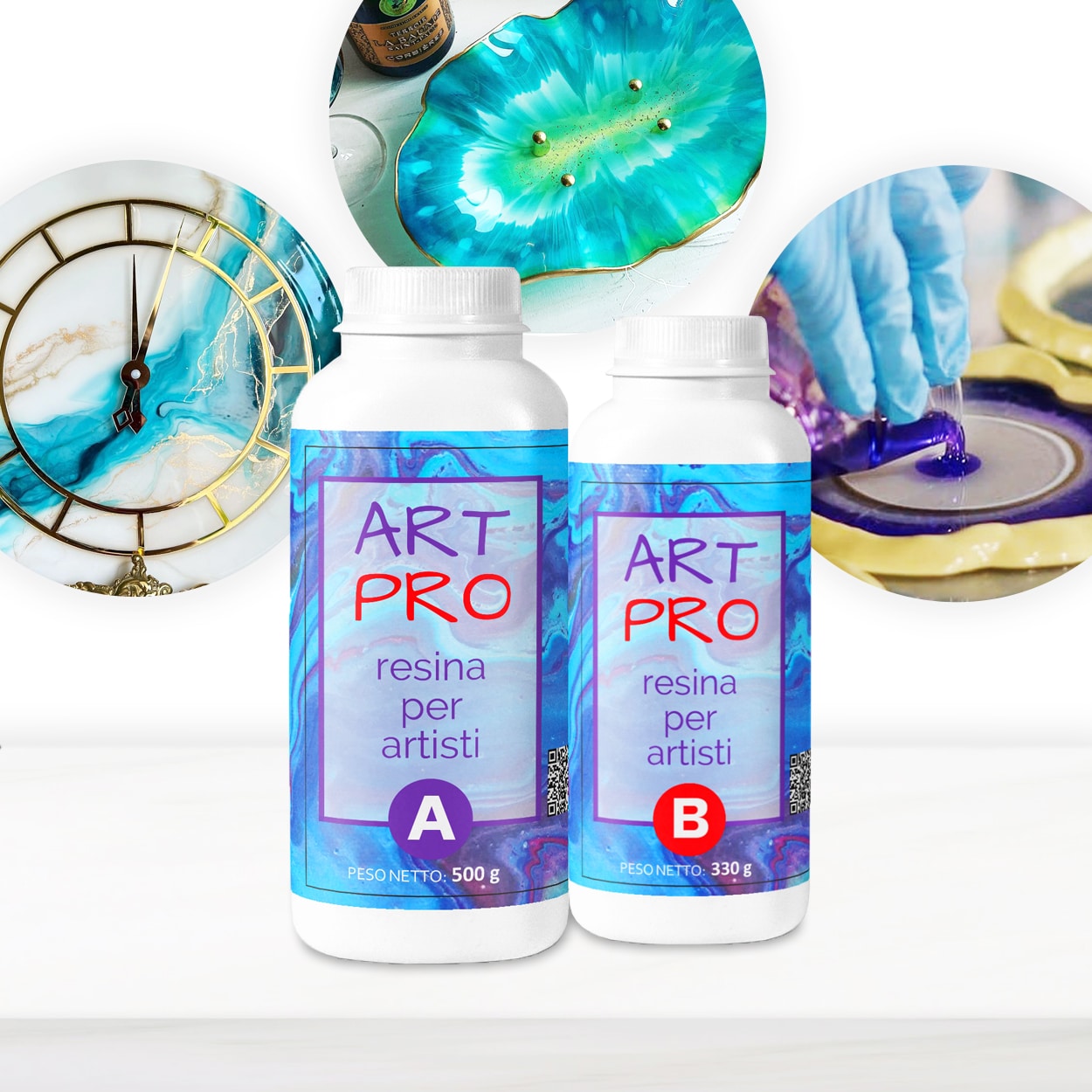
For the actual coating, a product like “Art Pro” – Clear Epoxy Resin for Artists and Surface Coating offers excellent clarity and durable protection, ideal for artistic or functional surfaces where adhesion is essential.
When This Matters Most
Proper surface preparation is crucial if your table will face regular use, need a scratch-resistant finish, or if you want to avoid unsightly peeling. This is especially important for dining and kitchen tables, or any surface receiving frequent cleaning or handling.
Related products
Related guides
By following these simple preparation tips, you can prevent issues with resin adhesion and ensure a professional finish. For more on table resin application and care, see our main guide on how to apply resin to a lacquered table.