 Free shipping on orders over £29,85
  Shipping Tracking!


 Google
 Facebook
How do you apply resin to a lacquered table?
Step-by-step guide for a durable, high-gloss table finish

Transforming your lacquered table with a beautiful resin coating not only enhances its aesthetics but also protects the surface from daily wear and tear. Applying epoxy resin to a lacquered surface can be straightforward, but success lies in careful preparation and attention to detail. This guide will walk you through the essential steps to achieve a flawless, professional-grade resin finish on your lacquered table.
What You’ll Need
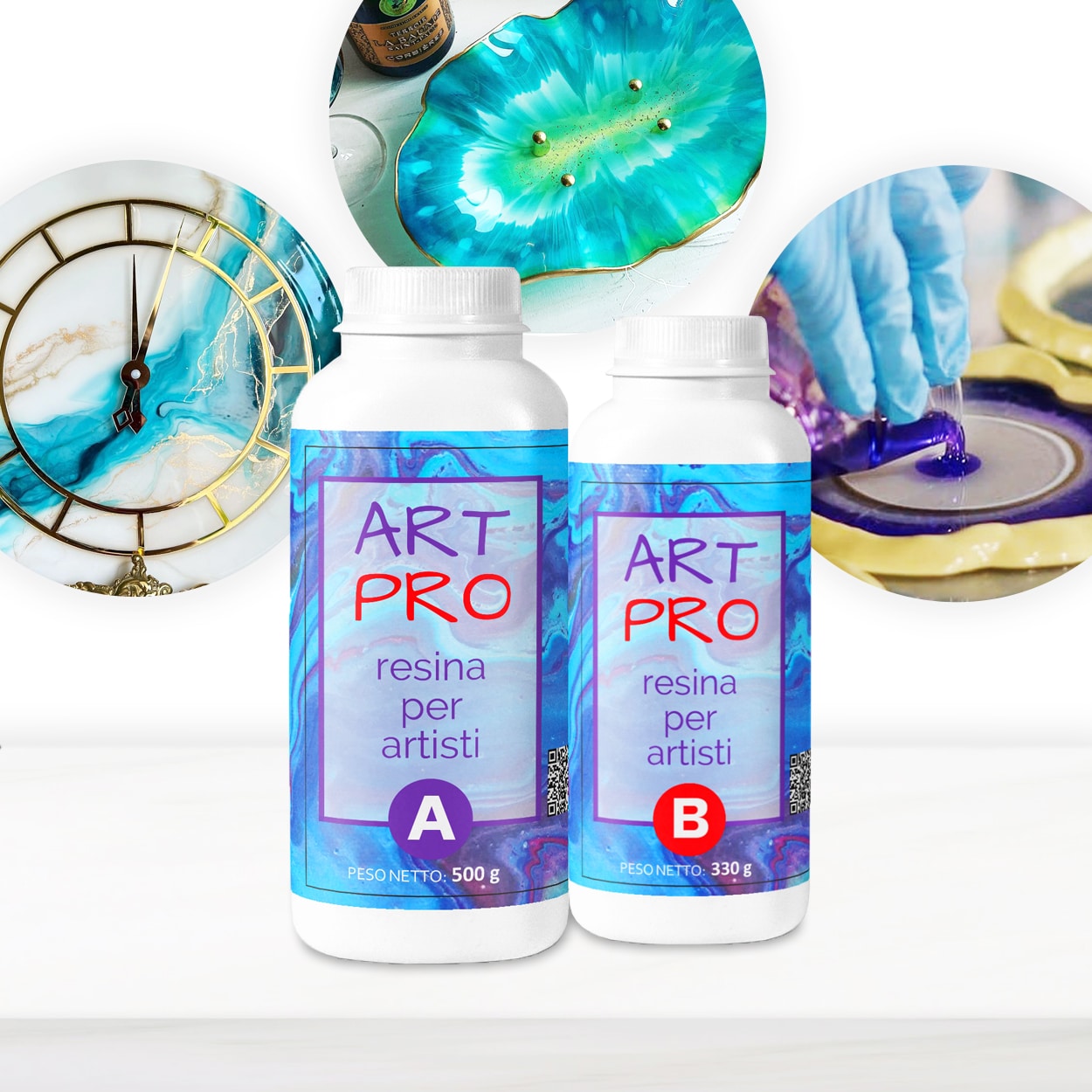
- “Art Pro” – Clear Epoxy Resin for Artists and Surface Coating: Medium viscosity clear resin ideal for surface coatings and artistic finishes.
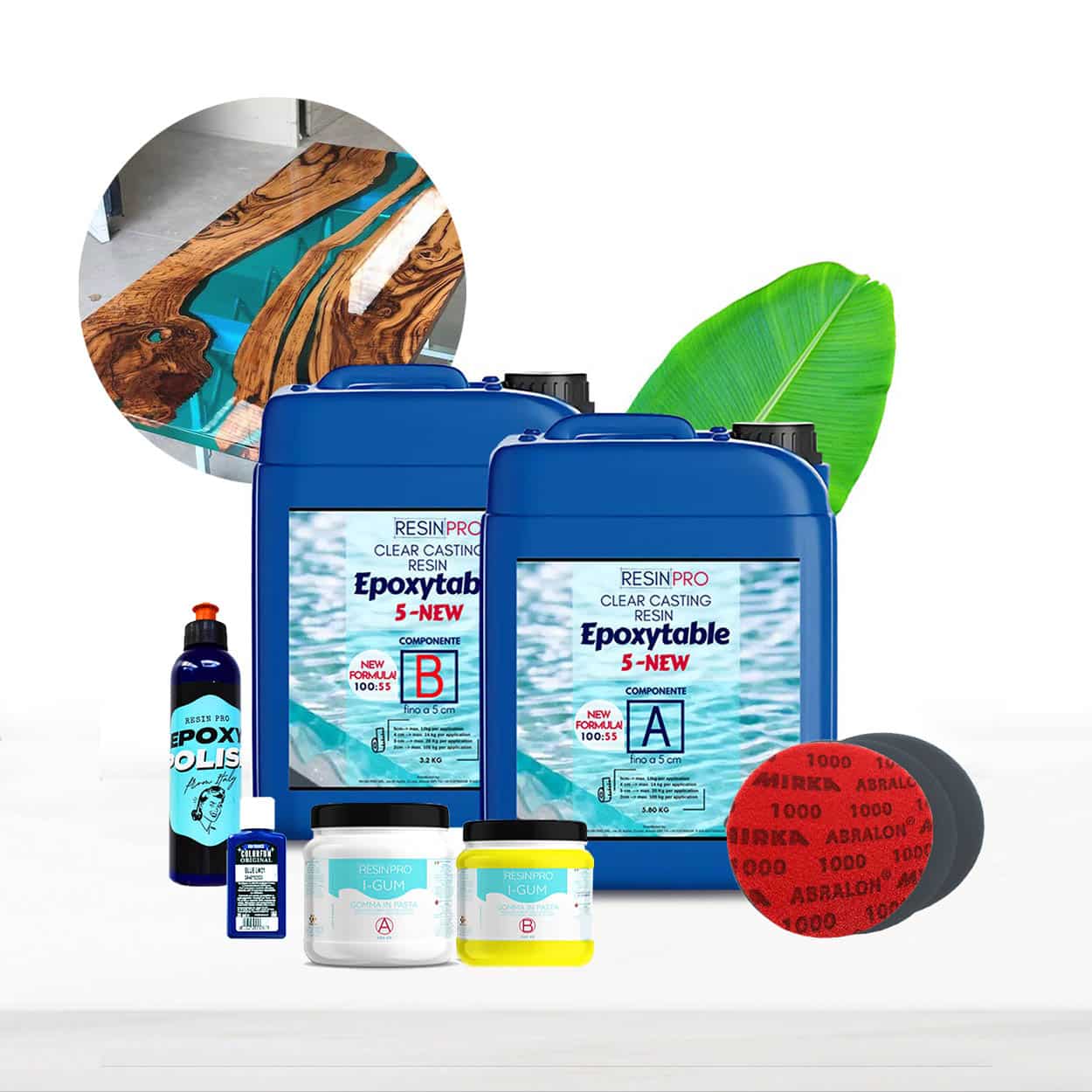
- “River-Table” – Complete Kit for Creating Your First Epoxy Resin Table: Comprehensive kit with epoxy, silicone sealant, and more for table projects.
- “Trasparente” – Multipurpose Clear Epoxy Resin for Casting – Up to 2cm: Clear casting epoxy suitable for thin to moderate layers.
- “Icrystal” – Clear Epoxy Resin – Odourless Formula – Up to 1.5cm: Odourless, clear resin with scratch resistance for surface coatings.
- Protective gloves, safety goggles, and mask
- Fine grit sandpaper (320–400 grit)
- Lint-free cloths
- Isopropyl alcohol or suitable degreaser
- Mixing container and stirring sticks
- Levelling tool (optional for larger projects)
- Drop sheets or masking tape to protect surroundings

Visualising Your Resin-Covered Table
See clear, stylish finishes and creative techniques for resin over lacquered wood in our customer gallery. Notice how preparation and application lead to a professional end result. Browse inspiration for both modern and traditional interiors.

Step 1: Clean and Prepare the Table Surface
Clean thoroughly to remove residues from your lacquered table. Begin by dusting the surface and removing any objects. Use a lint-free cloth dampened with isopropyl alcohol or a mild degreaser to wipe down the entire table. This step ensures oils, wax, and other contaminants are removed, which is vital for optimal resin adhesion. Allow the surface to dry completely before proceeding. Pay particular attention to corners and edges, where residue can accumulate.
Step 2: Lightly Sand for Better Adhesion
You need to create a subtle ‘key’ for the epoxy to grip the lacquer. Using a fine 320–400 grit sandpaper, gently sand the entire lacquered surface with even, circular motions. The goal is to dull the gloss, not to remove the lacquer altogether. After sanding, light sanding for optimal adhesion can be followed by wiping the surface clean with a fresh, lint-free cloth to remove dust. Failing to sand lightly may lead to bonding issues and imperfections later.
Step 3: Mix and Apply the Resin
Select a resin suited to your project size and desired finish. For artistic, glass-like finishes, “Art Pro” – Clear Epoxy Resin for Artists and Surface Coating is a reliable choice. If you require an odourless formula specifically for indoor use, “Icrystal” – Clear Epoxy Resin – Odourless Formula – Up to 1.5cm is also suitable.
Measure the resin and hardener according to the instructions. Mix slowly and thoroughly in a clean vessel, scraping the sides and bottom to prevent unmixed spots, which could cause sticky areas.
Pour the mixed resin onto the centre of the table and use a spreader or levelling tool to guide it evenly towards the edges. Work quickly but carefully to avoid trapped bubbles. For best results, mix resin accurately and apply evenly to achieve a smooth coat. Consider using a heat gun on low for a few seconds to help release surface bubbles without overheating the resin or the lacquer beneath.

Step 4: Allow to Cure and Protect the Finish
Let the resin cure undisturbed, following the manufacturer’s indicated cure time—typically 12–24 hours. Room temperature and humidity can impact the curing speed, so ensure good ventilation and avoid direct sunlight during this phase.
To prevent dust or debris settling on the wet resin, protect from dust during curing by tenting the table area or placing a clean box or cover over the surface. Avoid touching or moving the table until the resin is fully cured to the touch. Once cured, the finish may be gently polished for extra gloss if desired or left as is for a naturally high-gloss result.
Tips, Troubleshooting, and Common Mistakes
Test your chosen resin on a hidden or spare area if unsure how it will behave with your table’s lacquer. Do not skip the sanding step, as resin may not adhere properly to a slick, unsanded lacquered surface. Always mix the resin thoroughly and pour in the recommended layer thickness; overly thick pours may not cure or can introduce bubbles. Keep the workspace dust-free for a cleaner result. For edge drips, use masking tape along table sides before pouring and remove after a partial cure for tidy lines.
Real-World Results and Surface Details
Explore before-and-after transformations and practical close-ups showing resin’s high-gloss, durable qualities on lacquered tables. Find ideas for decorative touches or edge treatments suited to every home.

- "Art Pro" – Clear Epoxy Resin for Artists and Surface CoatingPrice range: £31.15 through £388.85Art Pro clear epoxy resin provides a glass-like finish suitable for artistic coatings, coasters, and trays with easy mixing.
- "River-Table" – Complete Kit for Creating Your First Epoxy Resin TablePrice range: £188.85 through £444.85"River-Table" kit includes resin, sealant, pigments and polishing tools for a resin and wood table project.
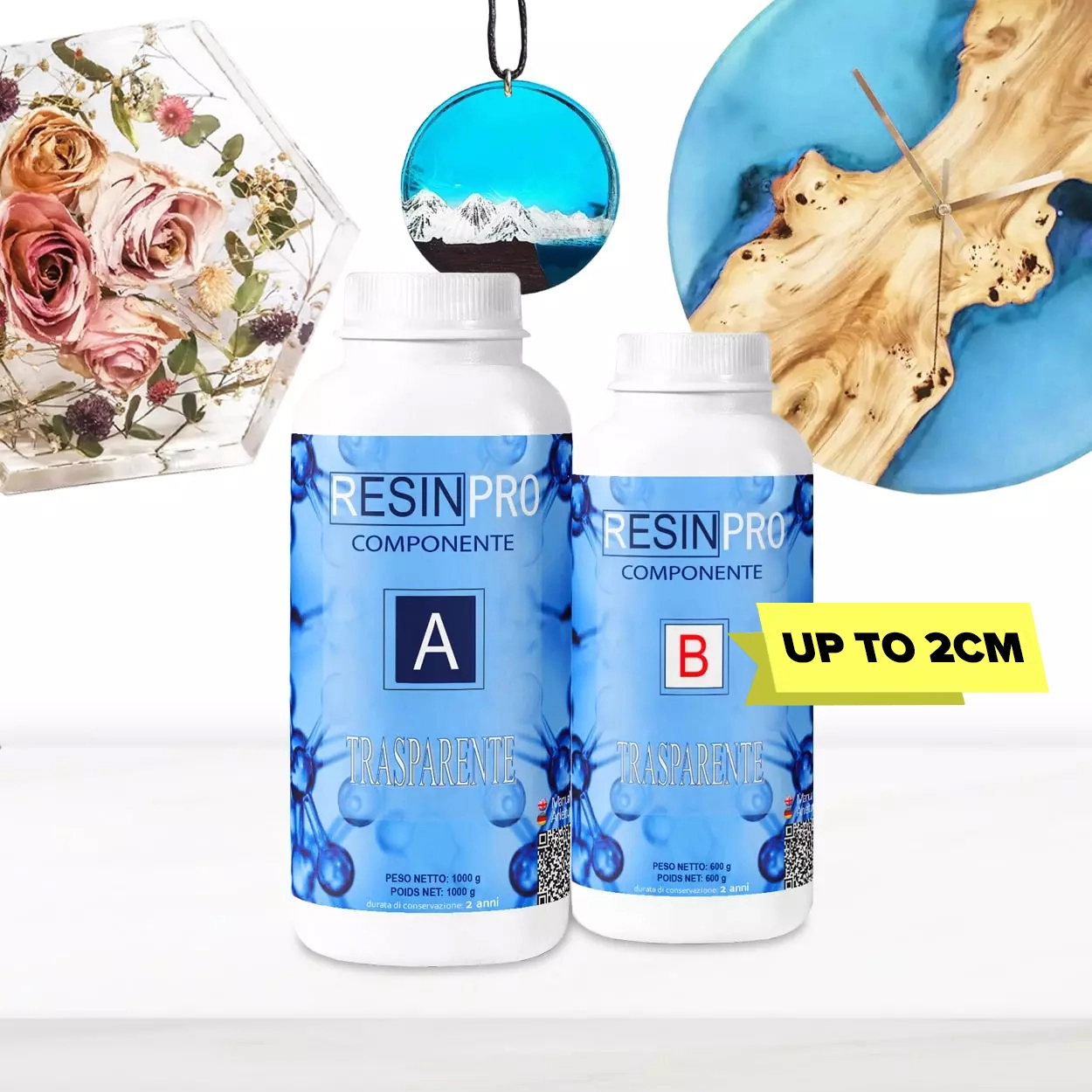 "Trasparente" – Multipurpose Clear Epoxy Resin for Casting – Up to 2cmPrice range: £8.45 through £948.85"Trasparente" is a clear casting epoxy resin suitable for layers up to 2cm, offering a glossy, self-levelling finish for various woodworking and DIY…
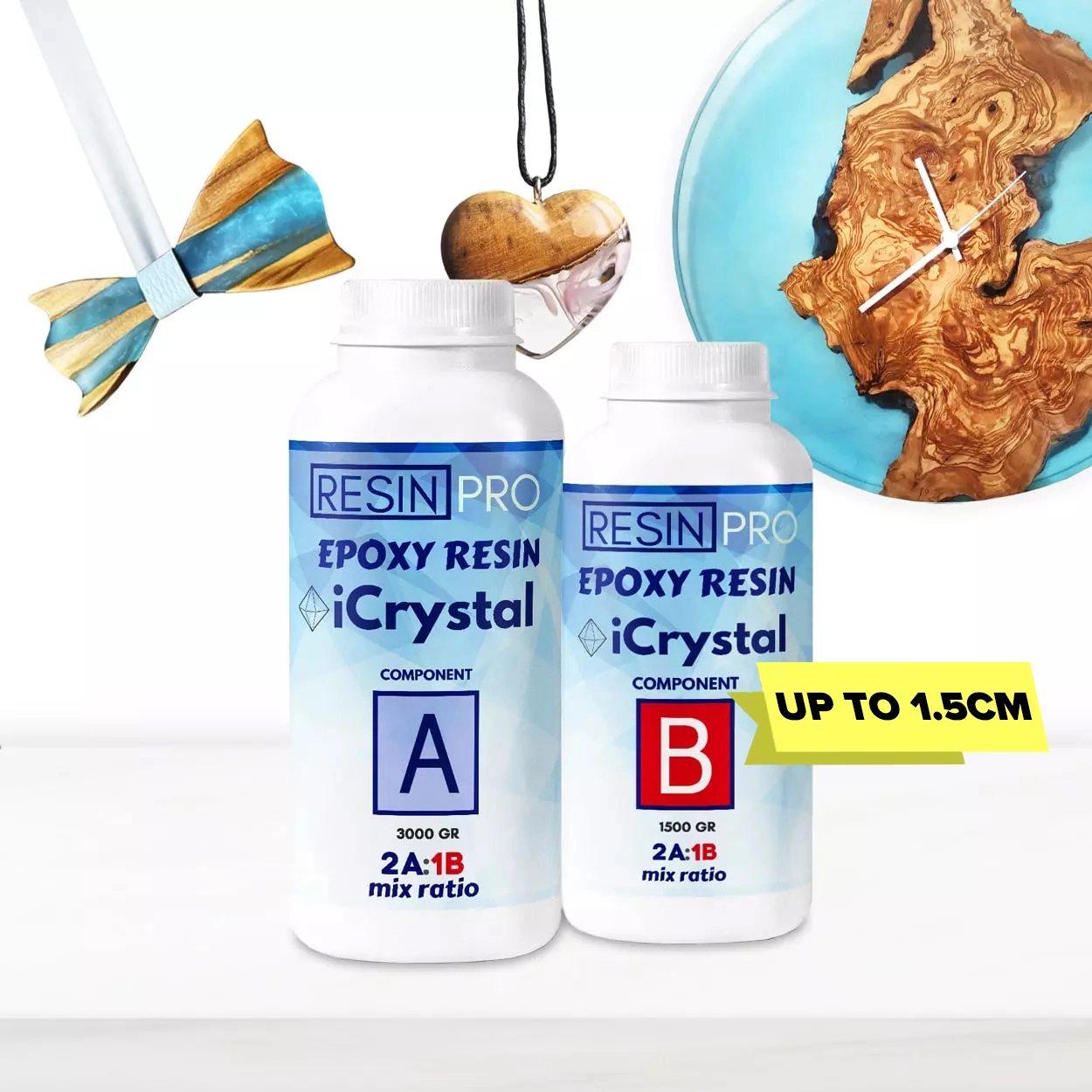 "Icrystal" – Clear Epoxy Resin – Odourless Formula – Up to 1.5cmPrice range: £11.65 through £954.85"Icrystal" Clear Epoxy Resin offers transparency and scratch resistance suitable for table coatings under this theme.
Frequently Asked Questions
Can I apply epoxy resin directly over lacquer?
Epoxy resin can be applied over lacquer if the surface is properly cleaned and lightly sanded to ensure adhesion.
What if the resin won’t stick to the table?
Lack of adhesion is often due to insufficient sanding or residues on the surface; clean and sand again for best results.
How do I avoid bubbles in the resin layer?
Mix resin slowly to reduce air, and use a heat gun gently after pouring to help bubbles escape.
Do I need to remove the original lacquer from the table first?
It is not necessary to remove all the lacquer; light sanding is sufficient for resin adhesion.
How long before I can use the table after applying resin?
Epoxy resin usually needs 12–24 hours to cure touch-dry, but allow several extra days for full hardness before heavy use.
Can I polish the cured resin layer?
Yes, once fully cured, resin can be polished with appropriate products to enhance gloss and smoothness.
Should I use a primer on lacquered surfaces before epoxy?
Generally no primer is required if the surface is clean and lightly sanded, as epoxy bonds well to prepared lacquer.