 Free shipping on orders over £29,85
  Shipping Tracking!


 Google
 Facebook
← Back to How do you shape E-30 resin?
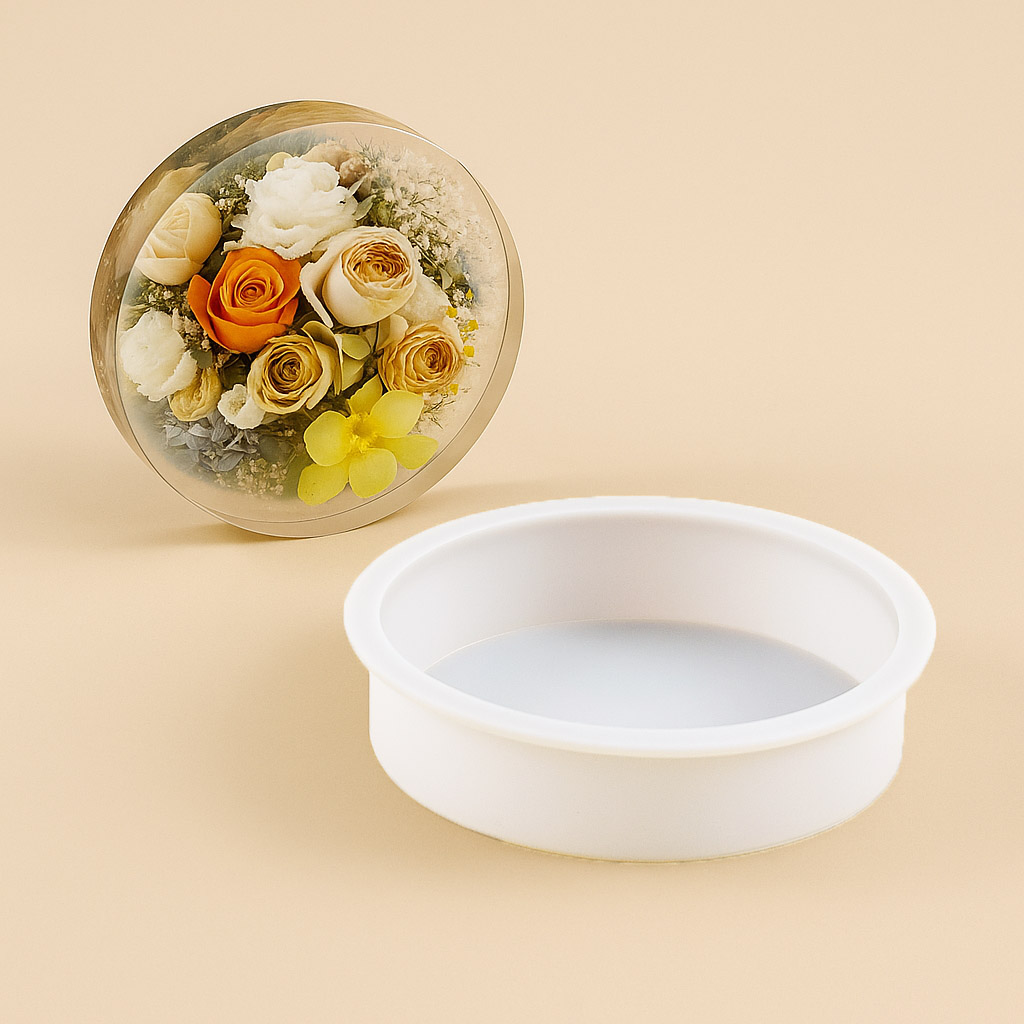
When working with E-30 resin and silicone moulds, many resin crafters ask if a release agent is necessary. The answer depends on your project’s detail and the type of mould you’re using.
Silicone Moulds Are Usually Non-Stick
High-quality silicone moulds are naturally non-stick, so demoulding cured resin pieces is generally smooth and hassle-free. For most simple shapes and smooth surfaces, such as those you can create with the Silicone Circle Mould, you won’t need any additional release agent. The flexibility of silicone helps to remove the resin easily, time after time.
When to Consider a Release Agent
Release agent can be helpful with complex or highly detailed moulds, or if you notice stickiness after several uses. Intricate designs, deep cavities, or extended cure times can occasionally lead to the resin clinging to small details, making demoulding tricky. A light spray of a recommended release product will assist in these cases and can also extend the life of your moulds.
Practical Tips for Easy Demoulding
- Clean your silicone mould thoroughly before each use to remove any resin residue.
- Allow resin to fully cure according to manufacturer’s instructions before attempting to demould—a typical timeframe is 12–24 hours, but check your resin’s guidance.
- If you encounter resistance, gently flex the mould or carefully work around the edges rather than forcing the piece out.
When This Matters Most
If you regularly create pieces with lots of fine details or work in a production setting, having a suitable release agent on hand may save time and reduce the risk of damaging either the mould or your creation.
Related products
Related guides
In summary, you can usually skip release agents with quality silicone moulds and E-30 resin, unless your projects involve intricate or challenging shapes. This approach helps keep the resin shaping process smooth and enjoyable—explore more shaping techniques and ideas on our main resin shaping guide.